
SPIRITUAL INSIGHTS INTO THE LIFE OF SAINT MARIA BERTILLA BOSCARDIN
October 20, 2026
Psalm 24:1
October 21, 2026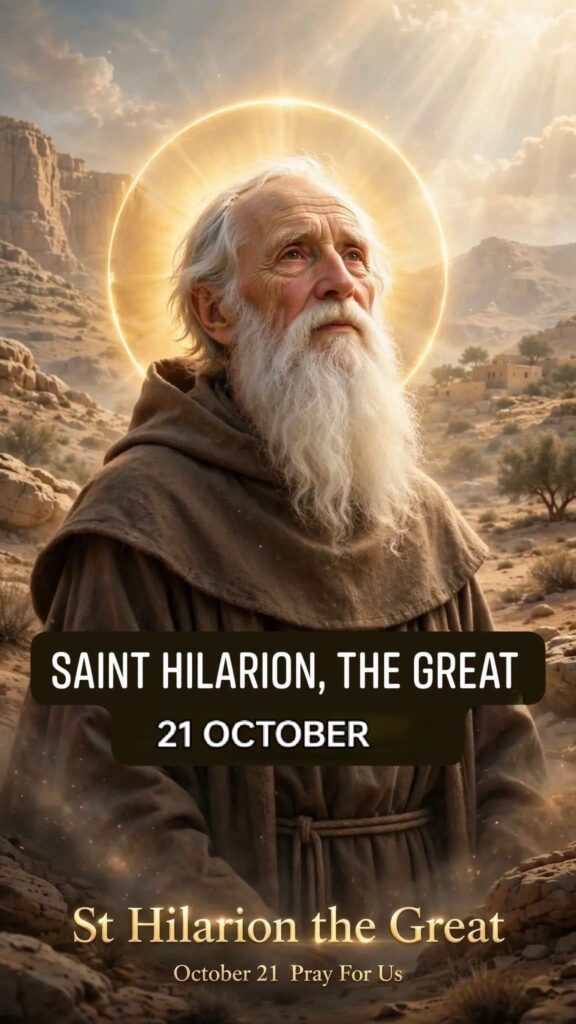
FEAST OF SAINT HILARION
FEAST DAY – 21st OCTOBER
Hilarion the Great (291–371) was an anchorite who spent most of his life in the desert according to the example of Anthony the Great (c. 251–356). While St Anthony is considered to have established Christian monasticism in the Egyptian desert, St Hilarion is considered by some to be the founder of Palestinian monasticism and venerated as a saint by the Orthodox and the Roman Catholic Church.
An Abbot and a disciple of St. Anthony the Great, companion of St. Hesychius, Hilarion was born in Tabatha, Palestine, and educated in Alexandria, Egypt. He stayed with St. Anthony in the desert before becoming a hermit at Majuma, near Gaza, Israel. In 356, Hilarion returned to St. Anthony in the Egyptian desert and found that his fame had spread there too.
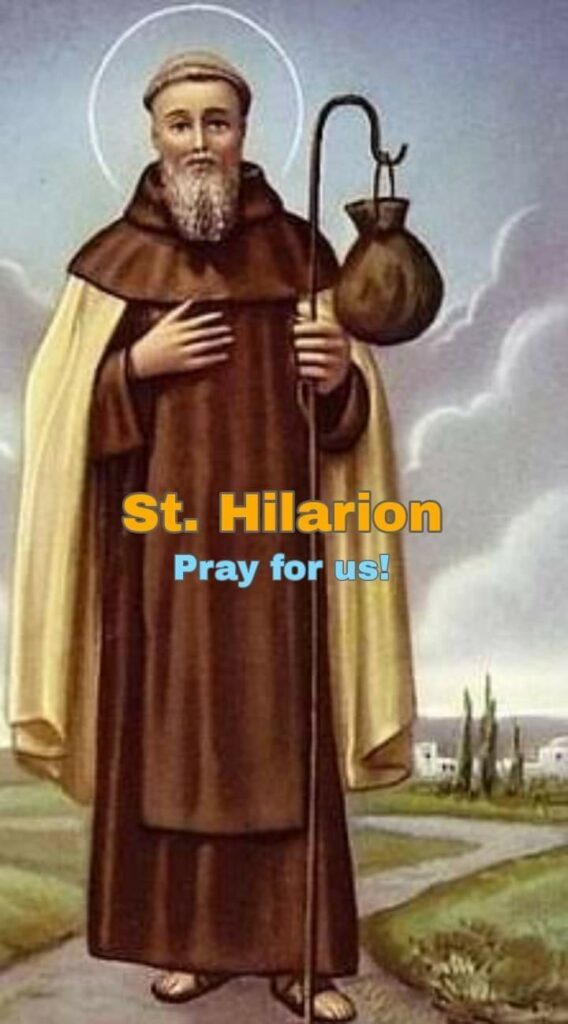
He fled to Sicily to escape notice, but Hesychius traced him there. The two went to Dalmatia, Croatia, and then to Cyprus. Hilarion performed so many miracles that crowds flocked to him. He died on Cyprus, and St. Hesychius secretly took his remains back to Palestine. Despite his best efforts to live in prayer and solitude, Saint Hilarion found it difficult to achieve his deepest desire.
People were naturally drawn to Hilarion as a source of spiritual wisdom and peace. He had reached such fame by the time of his death that his body had to be secretly removed so that a shrine would not be built in his honor. Instead, he was buried in his home village.
Saint Hilarion the Great, as he is sometimes called, also experienced spiritual dryness that included temptations to despair. He finally settled in Cyprus, where he died in 371 at about age 80. Much of his fame flows from the biography of him written by St. Jerome.
CONTEMPLATING THE LIFE OF SAINT HILARION THE GREAT
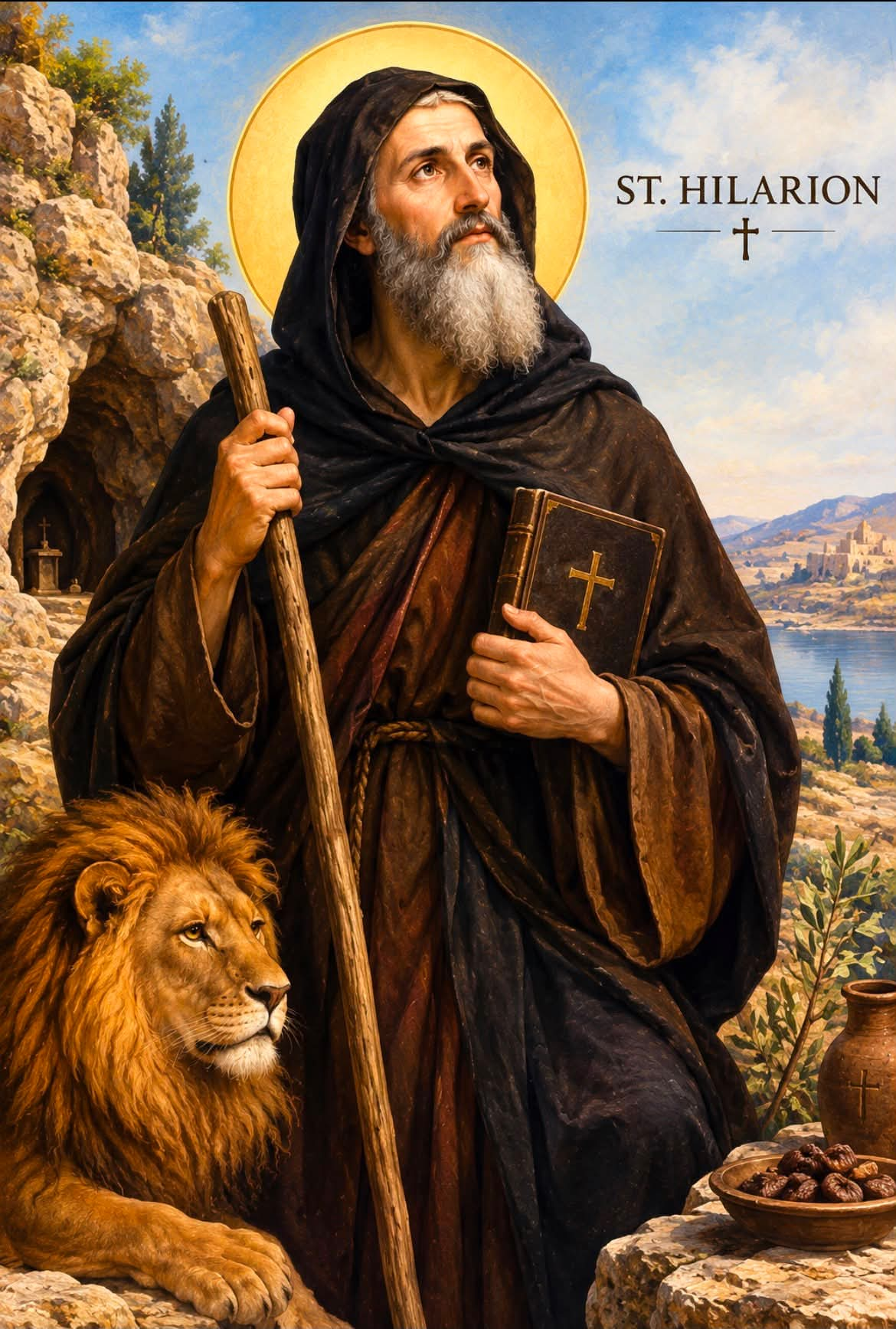
THE DESERT HERMIT WHO BROUGHT THE WILDERNESS TO LIFE
Saint Hilarion the Great was one of the earliest Christian hermits and a pioneer of monastic life in Palestine. Born around AD 291 near Gaza, he renounced worldly wealth and comfort to seek God in solitude. Inspired by Saint Anthony the Great of Egypt, he became renowned for his prayer, austerity, spiritual guidance and disciples. His feast is celebrated on 21 October. His life is principally known through the biography written by Saint Jerome around AD 390.
THE YOUNG MAN WHO DISCOVERED A GREATER TREASURE
Born into a pagan family in Tabatha near Gaza, Hilarion travelled to Alexandria for his education. There, he encountered Christianity, embraced the faith and was baptised. Inspired by the holiness of Saint Anthony the Great, who lived in the Egyptian desert, Hilarion visited him and learned the value of prayer, humility and simplicity.
Returning to Palestine after his parents’ deaths, Hilarion distributed his inheritance to the poor and chose a life devoted entirely to God. He had discovered a treasure greater than wealth, comfort or worldly recognition.
A HOME SMALLER THAN HIS DREAMS
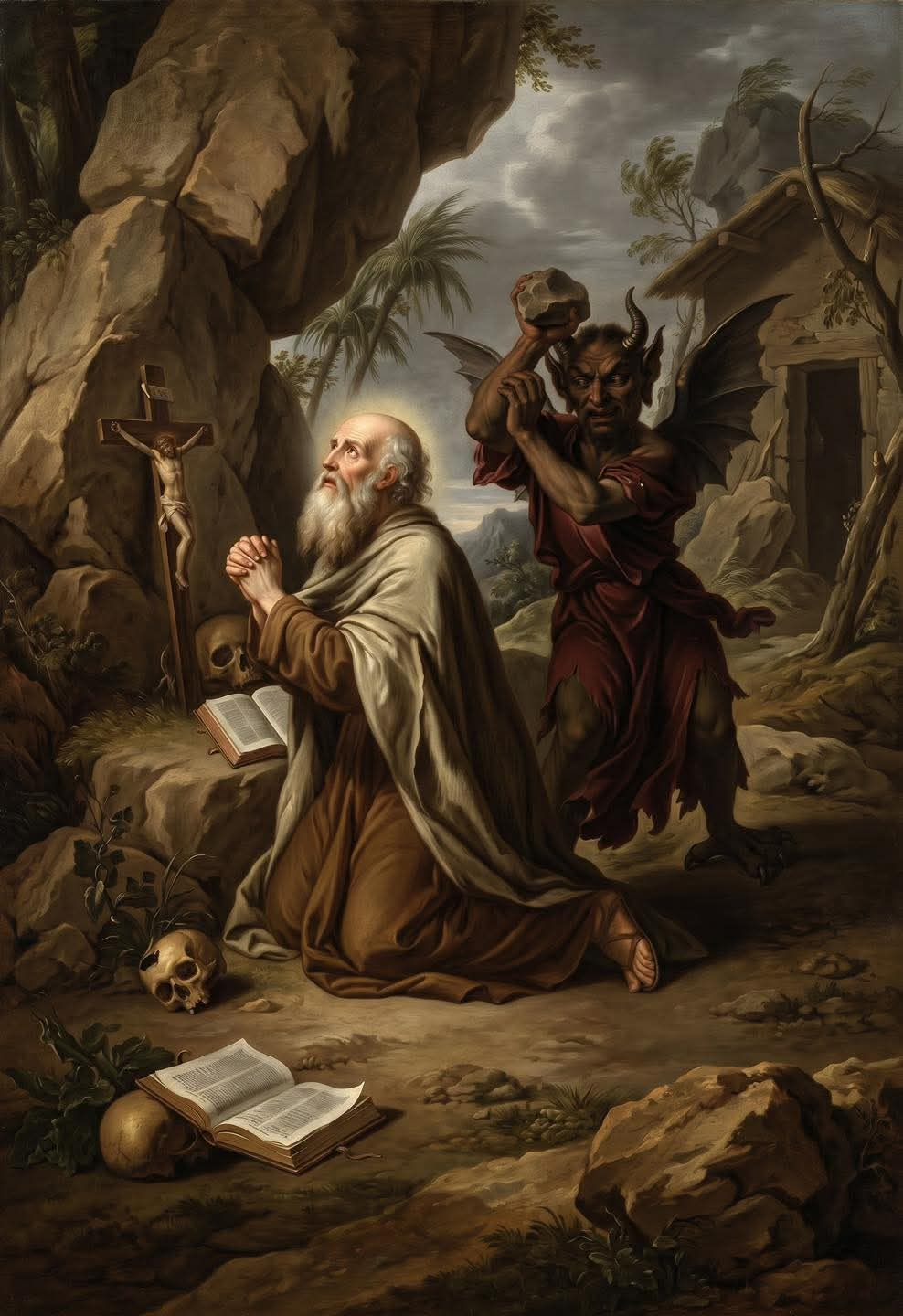
Hilarion settled in the desert near Maiuma, close to Gaza, where he lived in a simple shelter, wore humble clothing, ate sparingly and supported himself through manual labour. His days were devoted to prayer, fasting, work and meditation on Scripture.
The desert became his school of holiness. He learned that solitude alone could not silence the restless heart. Through perseverance and prayer, he confronted his fears, temptations and desires, gradually growing in spiritual freedom and intimacy with God.
THE BATTLE NOBODY COULD SEE
Saint Jerome’s account describes Hilarion’s intense spiritual struggles and frightening temptations during his years in solitude. These experiences illustrate the hidden battles that accompany the pursuit of holiness.
Hilarion persevered through prayer, fasting and disciplined living. His life teaches us that holiness does not mean freedom from struggle, but the determination to remain faithful to God despite difficulties. Before guiding others, he allowed God to transform his own heart.
THE HERMIT WHOM THE WORLD CAME LOOKING FOR
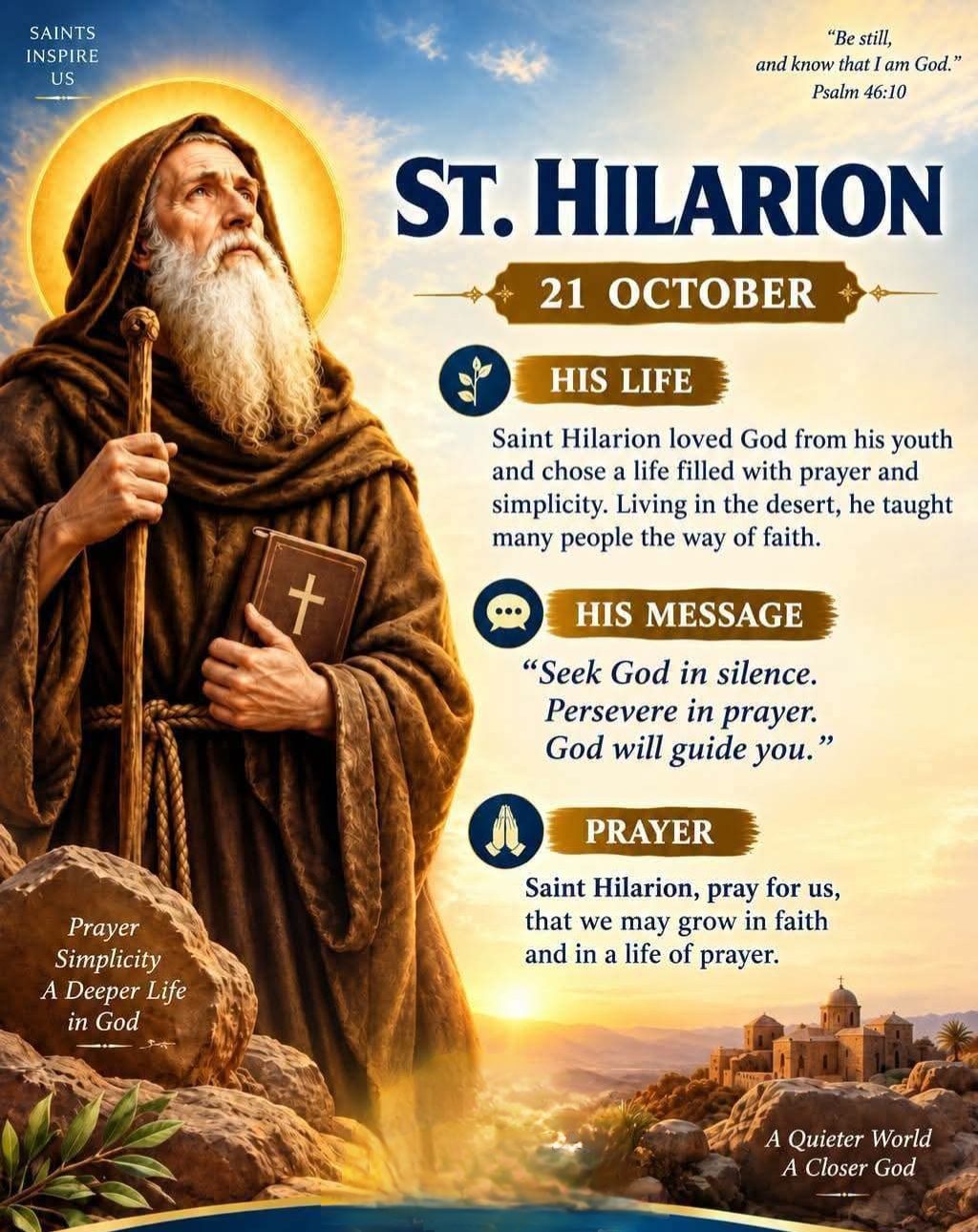
Although Hilarion sought solitude, his reputation for holiness spread, and people came to him for prayer, counsel and healing. He welcomed those who suffered and encouraged them to trust in God.
Disciples gathered around him, and monastic communities developed in Palestine under his influence. The hermit who had withdrawn from the world became a spiritual father to many. His life demonstrated that genuine holiness, though rooted in solitude and prayer, bears fruit in the lives of others.
WHEN SUCCESS BECAME A CROSS
As Hilarion’s reputation grew, crowds increasingly disturbed the solitude he cherished. Rather than seeking fame or recognition, he moved from place to place in search of quiet communion with God.
Tradition traces his later journeys through Egypt, Sicily and Dalmatia before he settled in Cyprus. His life reminds us that even good things can become obstacles when they take God’s place. Recognition, popularity and religious service must never become occasions for pride. Hilarion desired neither public acclaim nor worldly honour, but complete belonging to God.
THE MAN WHO CARRIED HIS DESERT WITHIN HIM
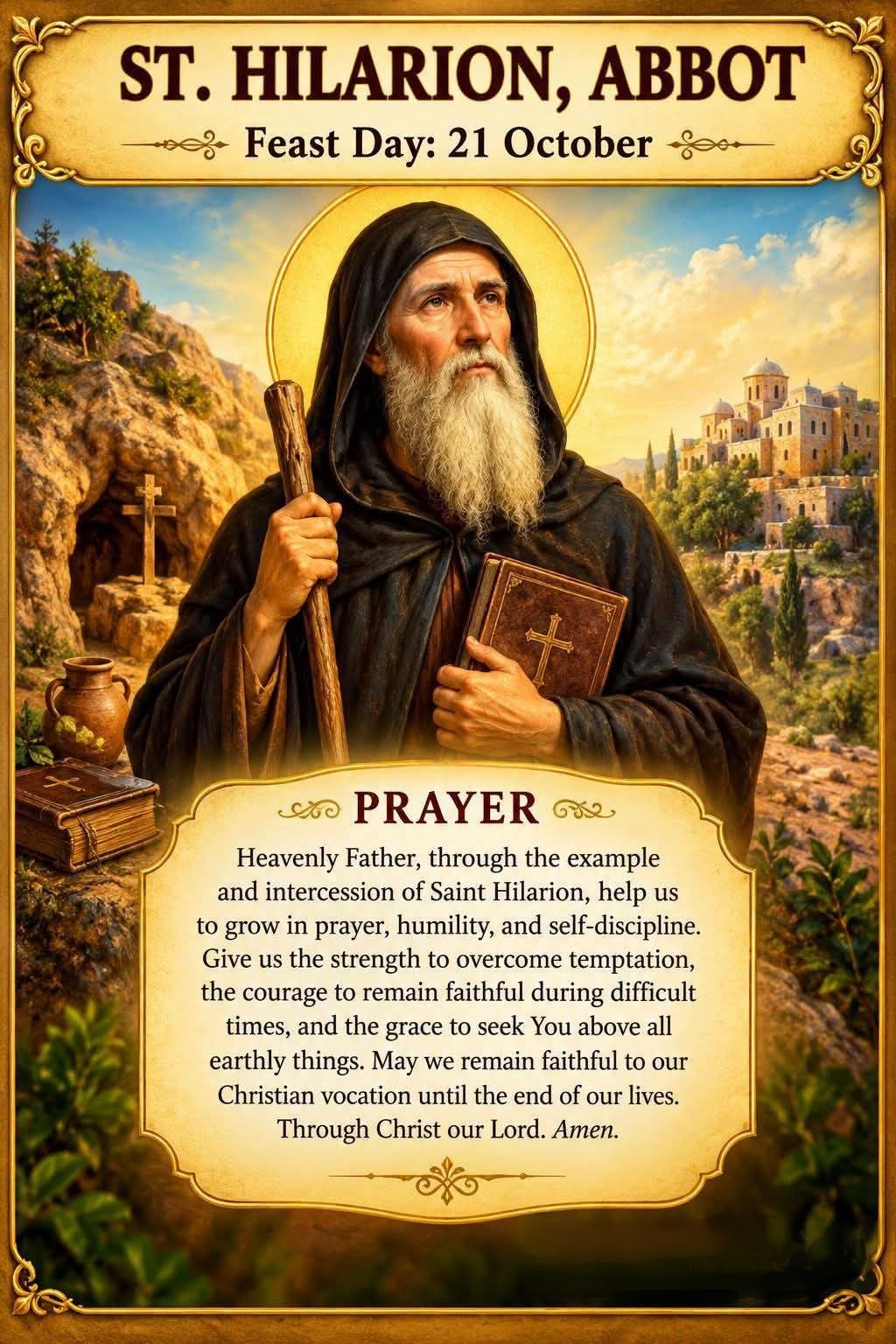
Hilarion spent his final years in solitude on the island of Cyprus, deepening his life of prayer. Experience had taught him that the true desert was not merely a physical place but a heart detached from worldly approval, possessions and pride.
He understood that solitude and service could coexist. Although he avoided public recognition, he remained concerned for those who sought spiritual help. His life reflected the words of Jesus: “Seek first the kingdom of God and his righteousness” (Matthew 6:33).
Hilarion died in Cyprus around AD 371 or 372. According to tradition, his disciple Hesychius later brought his body to Palestine. Though he had surrendered his earthly inheritance, Hilarion left a lasting spiritual legacy that helped shape Christian monasticism in Palestine.
THE DESERT STILL SPEAKS
Centuries later, Hilarion’s life continues to challenge Christians to examine their attachment to worldly distractions, possessions and public approval. His example does not require everyone to abandon society, but invites us to create space for God amid the demands of daily life.
Our desert may be a few quiet moments before the Blessed Sacrament, time spent reading Scripture, switching off our phones, simplifying our lives or avoiding gossip and unnecessary competition.
Saint Hilarion the Great teaches us that holiness flourishes when God becomes the centre of our lives. His life reminds us that prayer and detachment are not ends in themselves but means of drawing closer to God. True holiness cannot remain a private achievement; it becomes a blessing that draws others towards the living God.
PRAYER
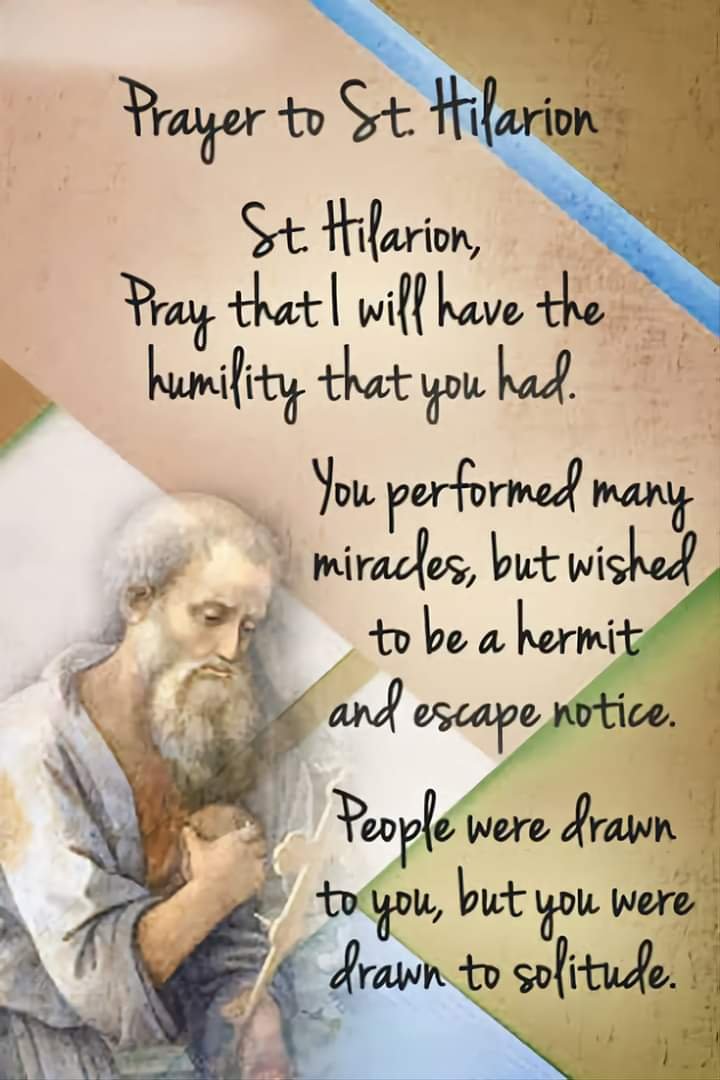
Lord God, we learn the value of solitude from Saint Hilarion. Unlike loneliness, solitude is a positive condition in which we are alone with you. He gave us the example of how to relinquish fame and live in humble solitude.
May the intercession of the Blessed Abbot Hilarion commend us to you, O Lord, so that through his merits we may obtain that which we cannot accomplish by our own. Through our Lord Jesus Christ, your Son, who lives and reigns with you in the unity of the Holy Spirit, one God, for ever and ever. Amen.
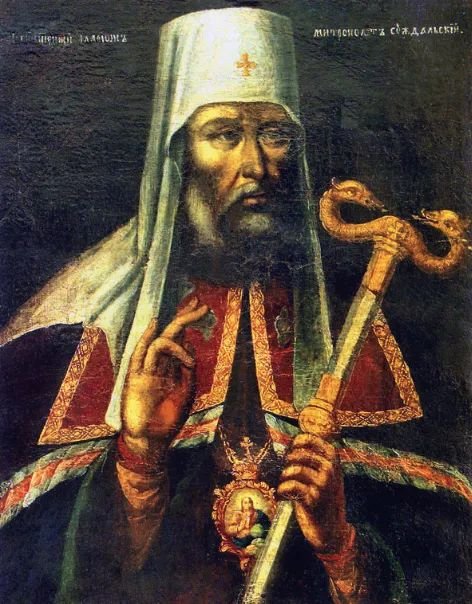
Saint Hilarion the Great, pray for us!