
Psalm 43: What It Teaches us about God’s Guidance, Justice and Hope
August 28, 2026
SPIRITUAL INSIGHTS INTO THE MEMORIAL OF THE MARTYRDOM OF SAINT JOHN THE BAPTIST
August 29, 2026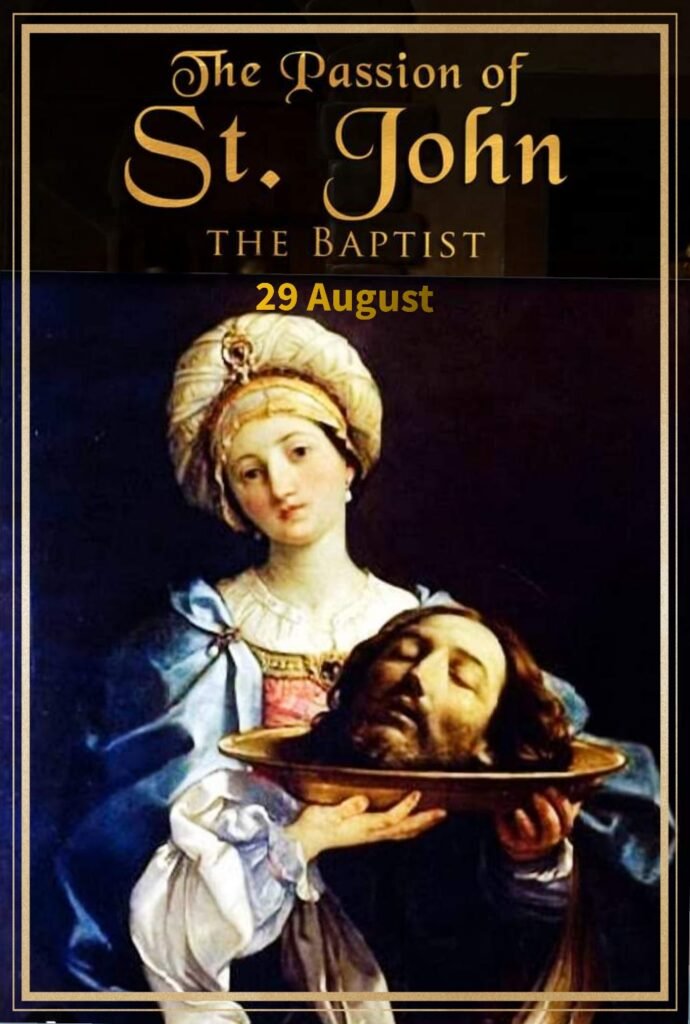

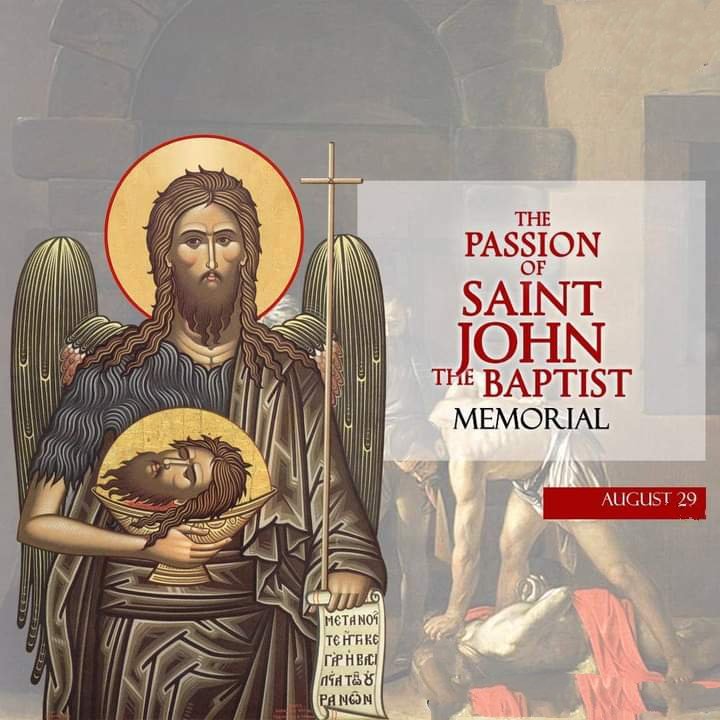
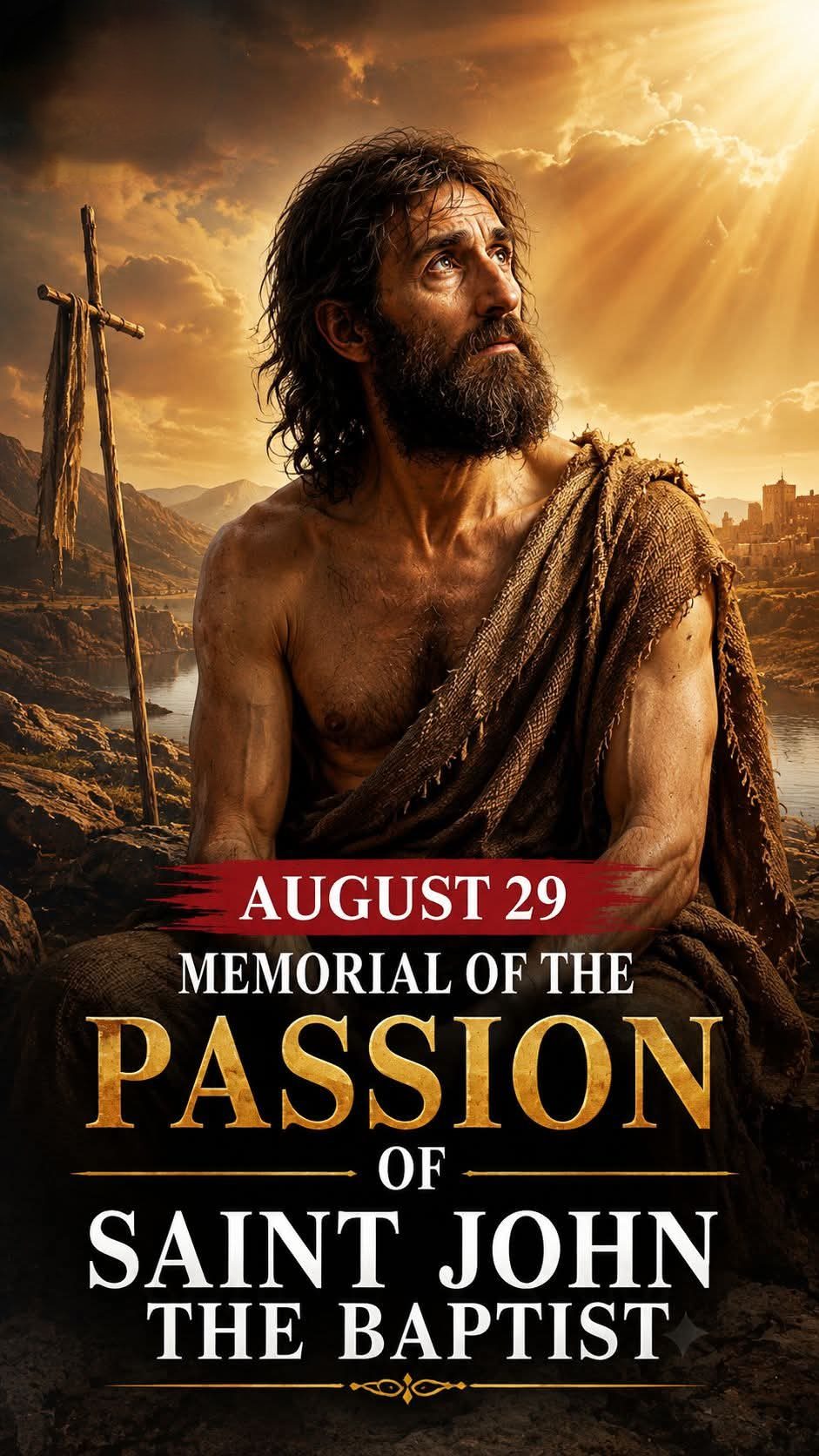
MEMORIAL OF THE PASSION OF SAINT JOHN THE BAPTIST, MARTYR
FEAST DAY – 29th AUGUST
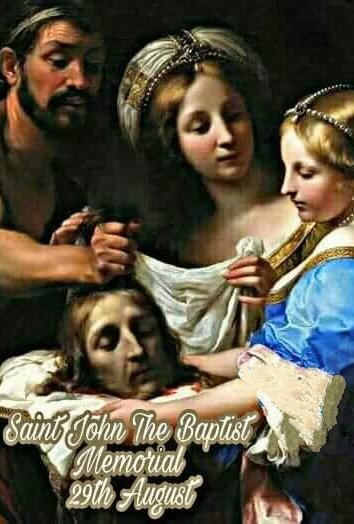
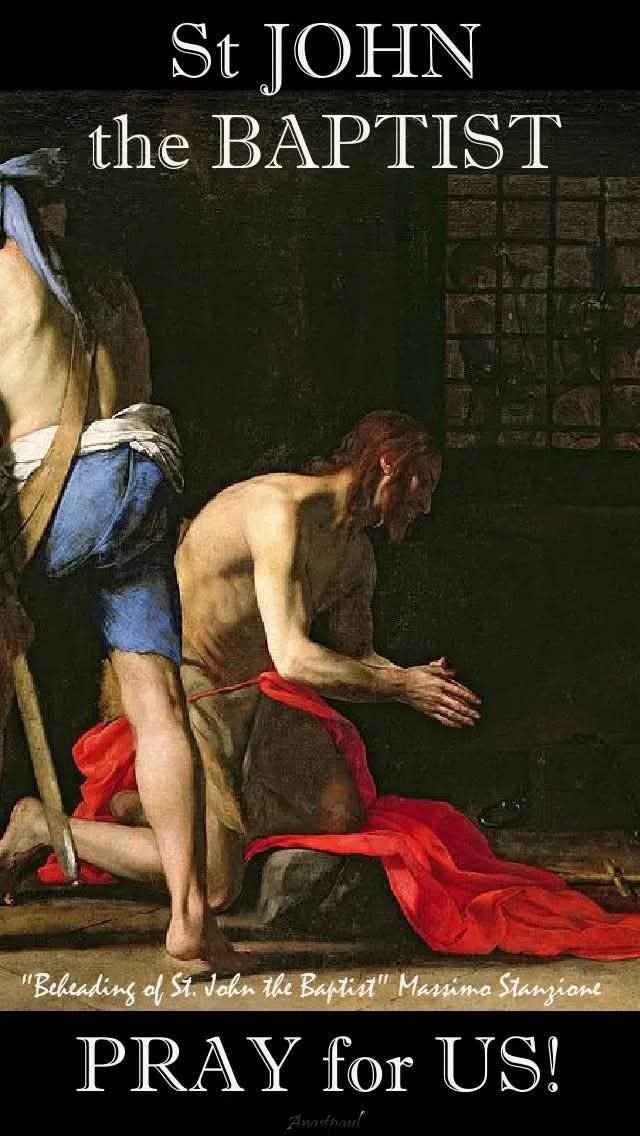
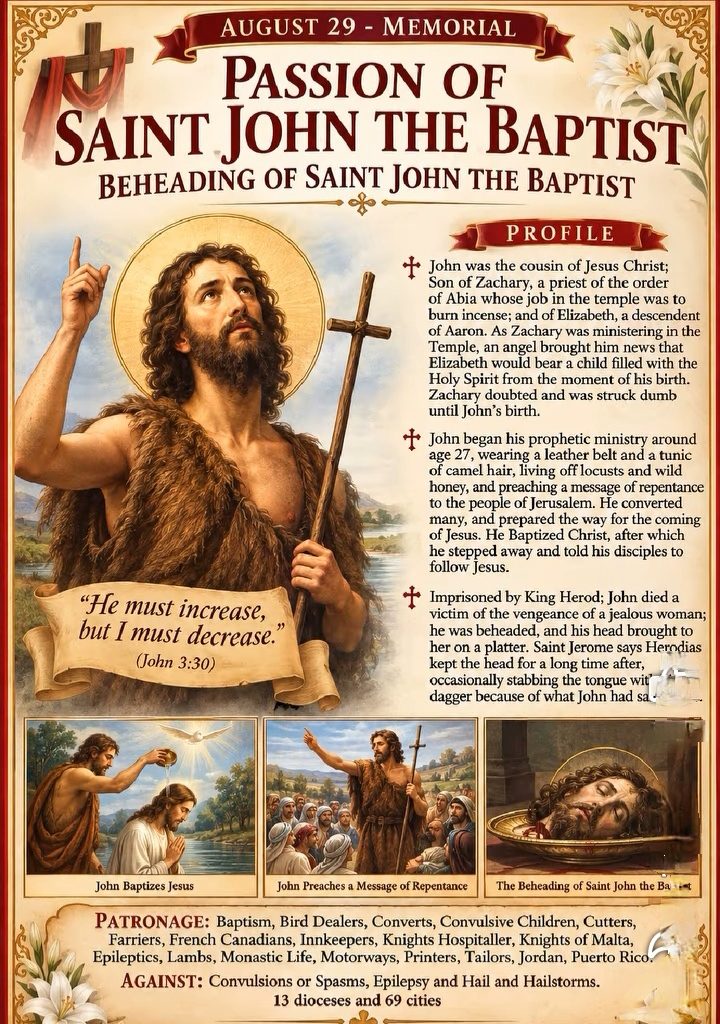
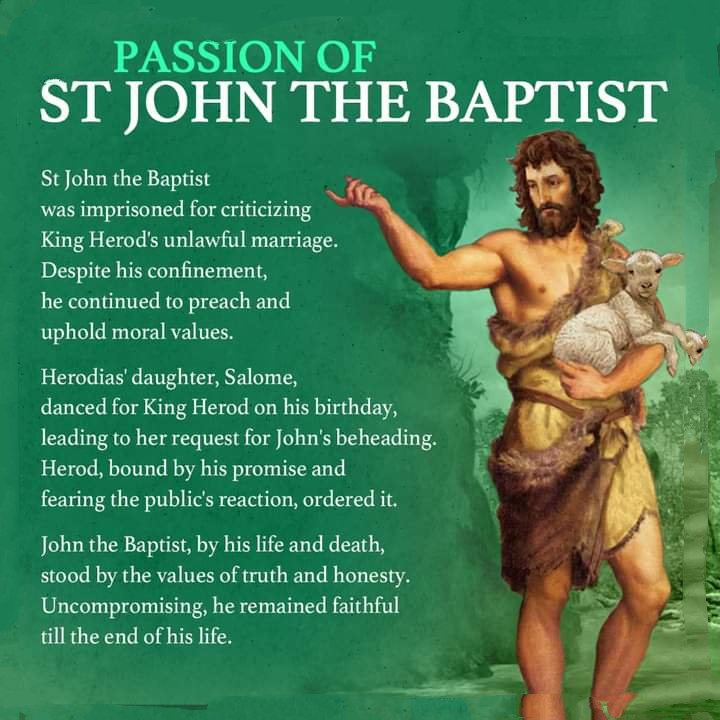
The beheading of John the Baptist, also known as the decollation of Saint John the Baptist or the beheading of the Forerunner, is a biblical event commemorated as a holy day by various Christian churches. According to the New Testament, Herod Antipas, ruler of Galilee under the Roman Empire, had imprisoned John the Baptist because he had publicly reproved Herod for divorcing his first wife and unlawfully taking his sister-in-law (his brother’s wife) as his second wife Herodias. He then ordered him to be killed by beheading.
As a non-Biblical source, Jewish historian Josephus also recounts that Herod had John imprisoned and killed, stating, however, that the real reason Herod had for doing so was “the great influence John had over the people”, which might persuade John “to raise a rebellion (for they seemed ready to do anything he should advise)”.

Josephus further states that many of the Jews believed that the military disaster that later on fell upon Herod was God’s punishment for his unrighteous behavior towards John.
According to the synoptic Gospels, Herod, who was tetrarch, or sub-king, of Galilee under the Roman Empire, had imprisoned John the Baptist because he reproved Herod for divorcing his wife (Phasaelis, daughter of King Aretas of Nabataea) and unlawfully taking Herodias, the wife of his brother Herod Philip I. On Herod’s birthday, Herodias’ daughter (whom Josephus identifies as Salome) danced before the king and his guests.
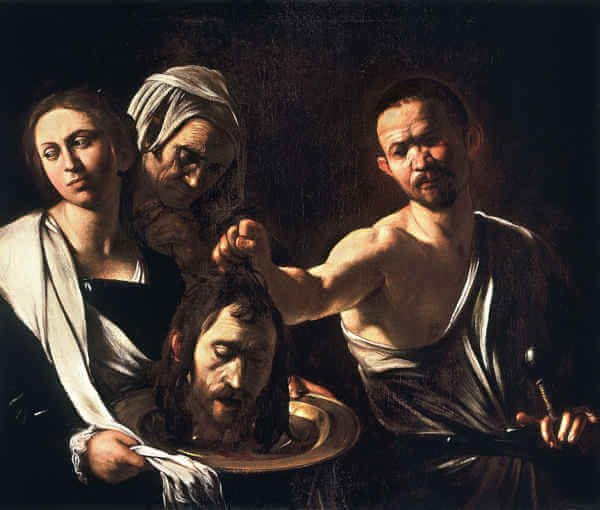
Her dancing pleased Herod so much that in his drunkenness he promised to give her anything she desired, up to half of his kingdom. When Salome asked her mother what she should request, she was told to ask for the head of John the Baptist on a platter. Although Herod was appalled by the request, he reluctantly agreed and had John executed by beheading in the prison. In art, the episode is known as The Feast of Herod.
None of the sources gives an exact date, which was probably in the years 28–29 AD (Matthew 14:1–12; Mark 6:14–27; Luke 9:9) after imprisoning John the Baptist in 27 AD (Matthew 4:12; Mark 1:14) at the behest of Herodias his brother’s wife whom he took as his mistress. (Matthew 14:3–5; Mark 6:17–20).
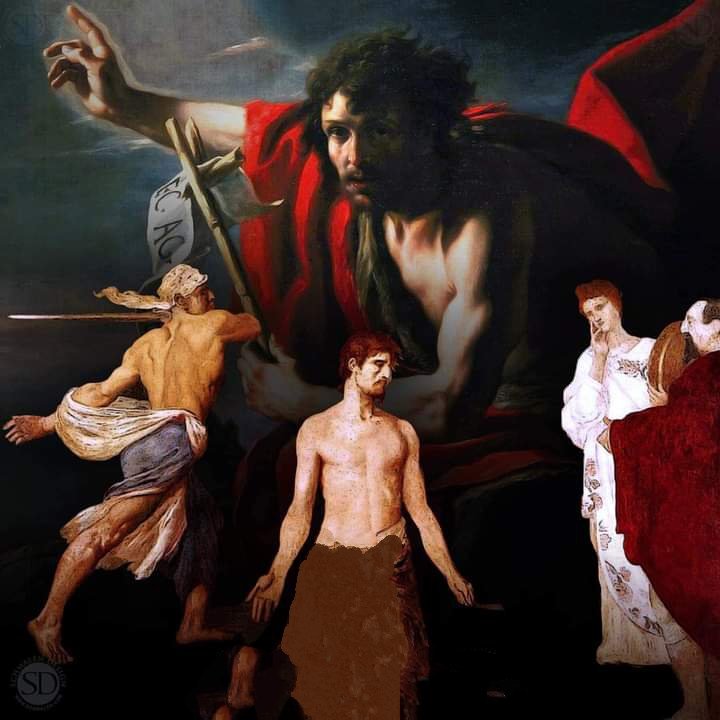
According to Josephus, the death took place at the fortress of Machaerus. The account of Flavius Josephus in Antiquities of the Jews was translated by William Whiston.
The liturgical commemoration of the Beheading of St. John the Baptist is almost as old as that commemorating his birth, which is one of the oldest feasts, if not the oldest, introduced into both the Eastern and Western liturgies to honour a saint. The Roman Catholic Church celebrates the feast on 29 August, as does the Lutheran Church. Many other churches of the Anglican Communion do so as well, including the Church of England, though some designate it a commemoration rather than a feast day.
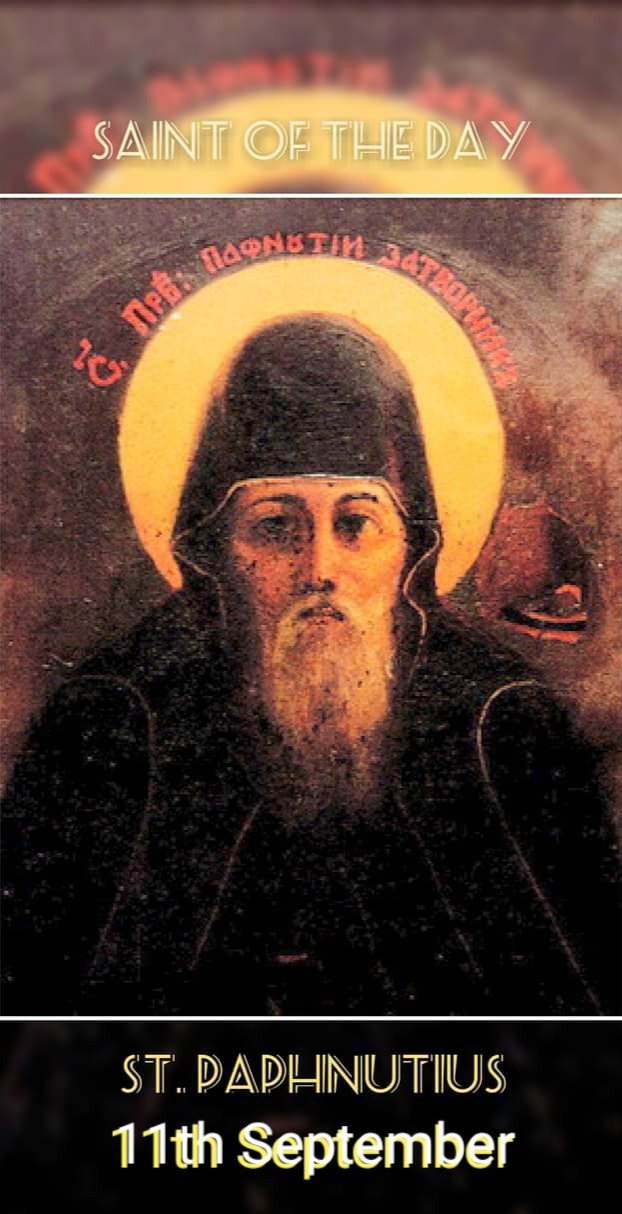
The Eastern Orthodox and Byzantine Catholic churches also celebrate this feast on 29 August. This date in the Julian Calendar, used by the Russian, Macedonian, Serbian and Ethiopian Orthodox Churches, corresponds in the twenty-first century to 11 September in the Gregorian Calendar. The day is always observed with strict fasting, and in some cultures, the pious will not eat food from a flat plate, use a knife, or eat round food on this day.
The Armenian Apostolic Church commemorates the Decollation of St. John on the Saturday of Easter Week, while the Syriac Orthodox, Indian Orthodox, and Syro-Malankara Catholic Churches commemorate his death on 7 January. St John the Baptist’s life and death is a reminder of our calling, even in the face of oppression, to proclaim Jesus in both word and deed.
CONTEMPLATION ON THE MEMORIAL OF THE PASSION OF ST. JOHN THE BAPTIST
“A LIFE THAT REFUSED TO COMPROMISE”
The Memorial of the Passion of St. John the Baptist is a solemn reminder of courageous faithfulness. We do not celebrate his death because death is good, but because John remained faithful to God and truth even when that faithfulness cost him his life. The Church celebrates his Nativity on 24 June and his Passion on 29 August, remembering both his earthly birth and his birth into eternal life through martyrdom.
JOHN THE BAPTIST: A MAN WHO EXISTED FOR CHRIST
John’s entire life was centred on preparing people for Christ. He preached repentance, baptized those who sought conversion and continually directed people towards Jesus. He never sought to make himself the centre of attention. His mission was always to lead others to Christ.
John teaches us that Christian success is not measured by how much attention we receive, but by how faithfully our lives lead others towards Jesus. Parents, teachers, priests, religious and every Christian can ask: “When people encounter me, do they come closer to Christ?”
THE PASSION OF JOHN IS A MARTYRDOM FOR TRUTH
John’s death came because he courageously confronted Herod about his unlawful relationship with Herodias. He knew that speaking the truth could cost him his freedom and eventually his life, yet he refused to remain silent.
Most of us may never be called to die for our faith, but we are often called to suffer for our integrity. Refusing to cheat, lie, gossip or participate in corruption, defending the vulnerable, remaining faithful to our commitments and standing for what is right are all forms of daily courage.
John challenges us to ask: “What truth am I willing to stand for when doing so becomes difficult?”
HEROD: KNOWING THE TRUTH BUT NOT OBEYING IT
Herod knew that John was righteous and holy. He listened to him and was troubled by his words, yet he failed to change his life. His weakness reminds us that hearing the truth is not enough. We must also act upon it.
It is possible to hear the Gospel, admire Jesus and appreciate good teaching without allowing them to transform us. There can be a great distance between knowing what is right and actually doing what is right.
We can therefore ask ourselves: “What truth has God already shown me that I continue to postpone obeying?”
THE POWER OF PUBLIC OPINION
Herod was distressed when he was asked to fulfil his rash promise, but because of his oath and the presence of his guests, he ordered John’s execution. His concern for his reputation became stronger than his conscience.
How often do we allow the opinions of others to influence our choices? Fear of criticism can make us compromise, remain silent, avoid apologising or hide our faith.
Herod reminds us that when we repeatedly choose human approval over God’s truth, our conscience can become the price we pay for our reputation.
JOHN’S HEAD WAS LOST BUT HIS VOICE WAS NOT
Although John’s life was taken, his message could not be silenced. The truth he proclaimed continued to live through the Church and through generations of believers.
Our witness may sometimes seem small or unnoticed, but faithfulness is never wasted. A word of encouragement, an honest decision, a courageous stand or an example of integrity may influence others in ways we may never see.
We should therefore not measure the value of our witness only by immediate results. God can use even our quiet acts of faithfulness to touch lives.
THE DEVOTION OF THE CHURCH TO ST. JOHN
Devotion to St. John the Baptist is deeply rooted in Christian tradition. He is honoured as the Prophet, Forerunner and Baptist, the one who prepared the way for Christ. The Church celebrates both his birth and his martyrdom because his entire life points towards Christ.
Devotion to John is therefore not centred on his violent death, but on his prophetic courage, humility, faithfulness and complete dedication to Jesus.
WHY DOES THE CHURCH GIVE US SUCH A DISTURBING GOSPEL?
The story of John’s Passion reminds us that Christianity is not merely about inspiration; it is about faithfulness. It exposes the dangers of corruption, pride, fear, resentment, vanity and the desire for human approval.
The Gospel becomes a mirror for our own lives. We can ask: “Where is Herod in me? Where do I know what is right but avoid doing it? Where do fear and public opinion control me?”
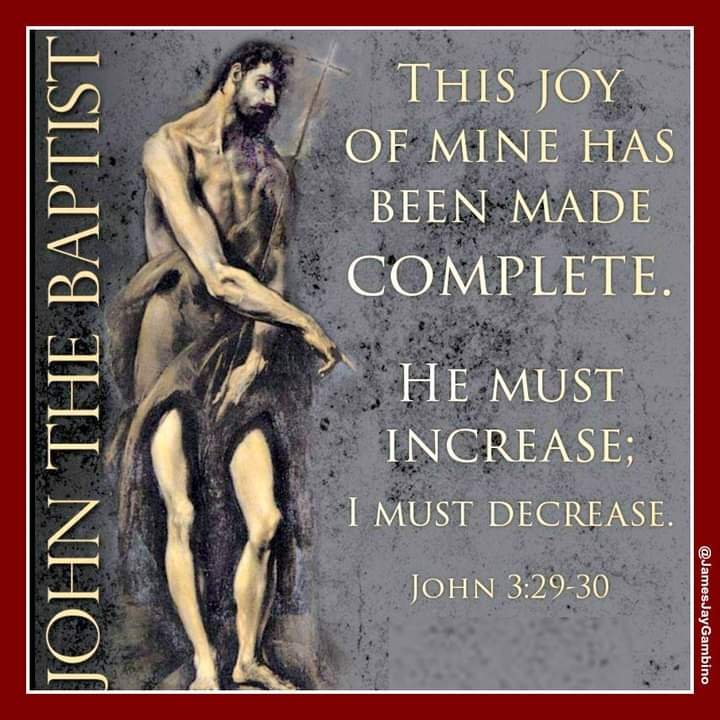
At the same time, we can ask: “Where is John in me? Where can I become more courageous? Where can I speak truth with love? What must decrease in me so that Christ may increase?”
JOHN’S MARTYRDOM AND THE CROSS OF CHRIST
John’s Passion points towards the Passion of Jesus. John was arrested, opposed and killed because he remained faithful to truth. Jesus would also be arrested and condemned, but He would go further by freely giving His life for the salvation of the world.
John was the Forerunner even in death. His life prepared the way for Christ, and his martyrdom foreshadowed the cost of faithful discipleship.
THE DEEPEST LESSON: DECREASE
John’s greatness lies in his willingness to become less so that Christ could become greater. He did not seek popularity, recognition or followers. His entire life was an act of humility and selflessness.
In a culture that often encourages us to seek attention, recognition and status, John points us in another direction. He teaches us to make Christ the centre of our lives.
To decrease does not mean becoming worthless. It means allowing Christ to become more visible through us.
A CONTEMPORARY REFLECTION
Imagine an employee who discovers serious wrongdoing in the workplace. Others tell him to remain silent because speaking up could damage his career. He is afraid, but eventually decides that he cannot pretend that wrong is right.
He may suffer because of his decision and receive no applause. Yet his courage may inspire someone else to believe that integrity is still possible.
This is how the witness of John the Baptist continues today. His message lives whenever someone chooses truth over convenience and faithfulness over personal advantage.
QUESTIONS FOR PERSONAL PRAYER
What truth am I afraid to live?
Whose approval am I too dependent upon?
Where have I compromised because I wanted to avoid conflict?
Where is God asking me to speak with love and courage?
What must decrease in me so that Christ may increase?
Perhaps it is pride, resentment, the need for praise, fear of criticism, attachment to status or the desire for control.
A VOICE THAT STILL CRIES OUT
John’s prison became silent, the banquet ended and Herod’s power eventually passed into history. Yet John’s voice continues to speak through the centuries. He calls us to prepare the way for Christ, to repent, to stand in truth and to point others towards Jesus.
The question is not only, “Would I die for Christ?” A more practical question is, “Am I willing to live faithfully for Christ today?”
Martyrdom may be one final act of courage, but daily fidelity is expressed through countless small acts of courage.
May St. John the Baptist intercede for us, that we may possess his courage without harshness, his truth without arrogance, his humility without weakness and, above all, his single-hearted desire to make Christ greater in our lives.
PRAYER
O God, who destined that Saint John the Baptist should be the precursor of your Son Jesus Christ, both in birth and in his death, grant we beseech you that, as he died a Martyr for truth and justice, we, too, may fight with conviction and without fear for the sake of our faith.
Through our Lord Jesus Christ, your Son, who lives and reigns with you in the unity of the Holy Spirit, one God, for ever and ever. Amen
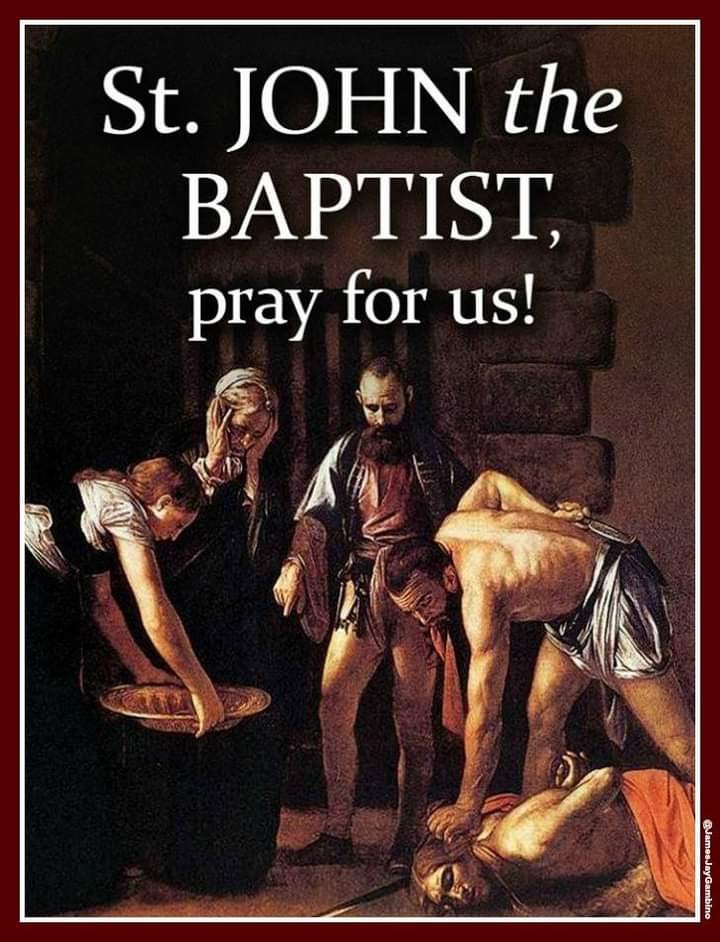
Saint John the Baptist, your self inflicted penitential life was brought to an abrupt end, when you testified the truth and reproached those misusing their authority. You did so, unflinchingly and without hesitation.
You were thrown into prison and then killed on the whim of a girl’s sinful desire while defending the dignity of marriage.
Help us to be as courageous and outspoken as you and to defend righteousness at all cost. Amen