
DEVOTION OF THE MONTH OF JUNE TO THE SACRED HEART OF JESUS
June 1, 2026
Psalms 42:11
June 1, 2026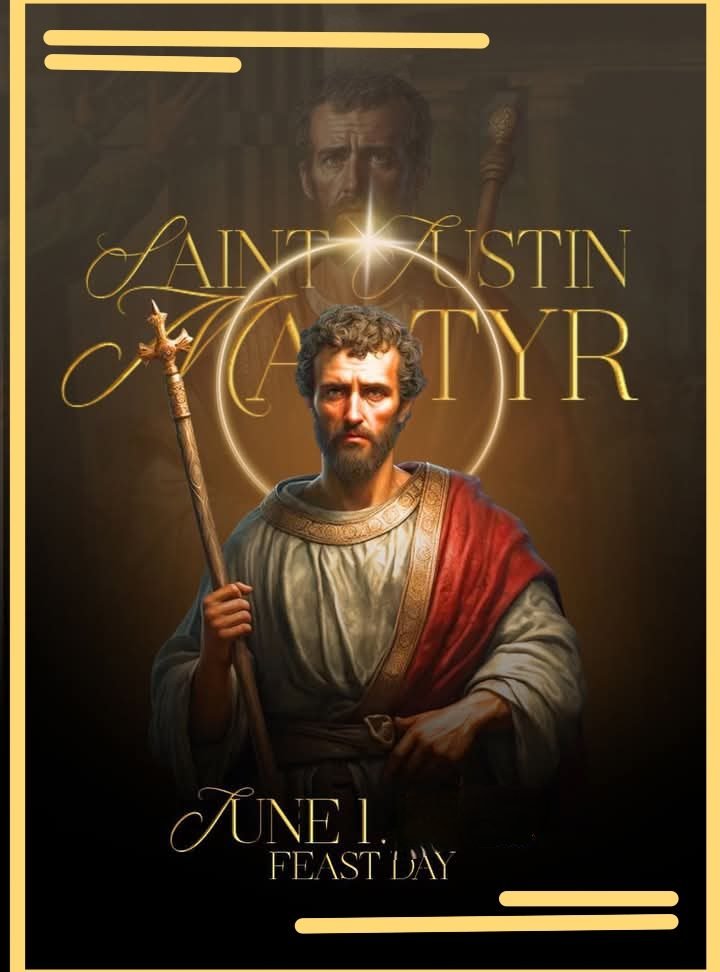
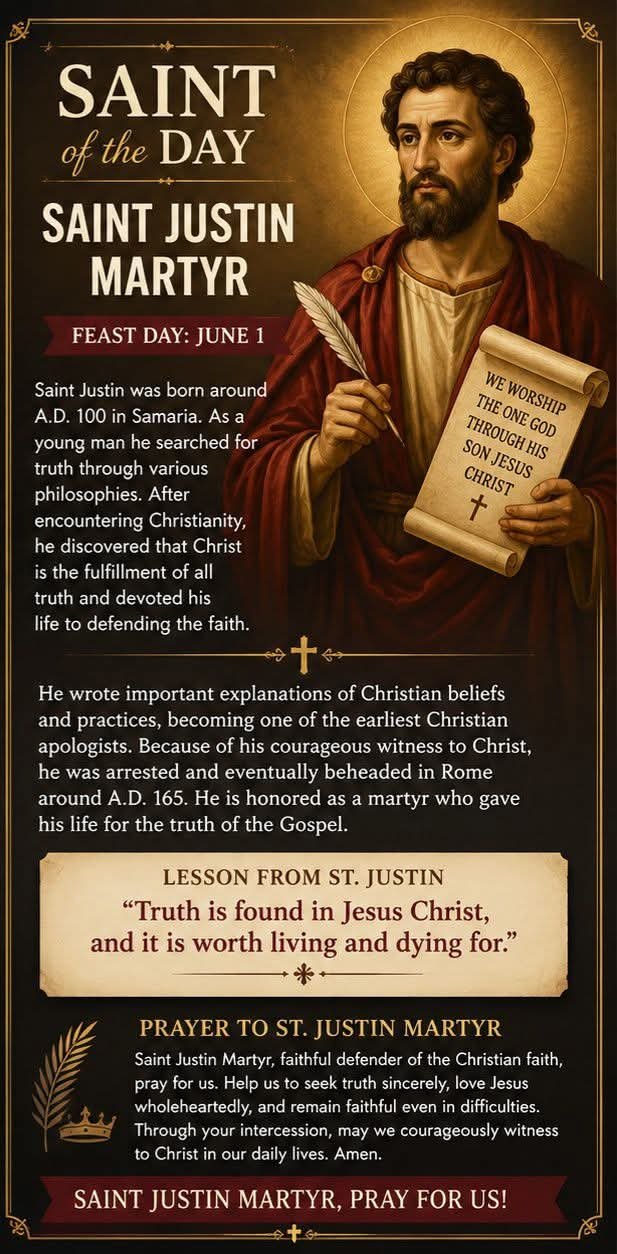
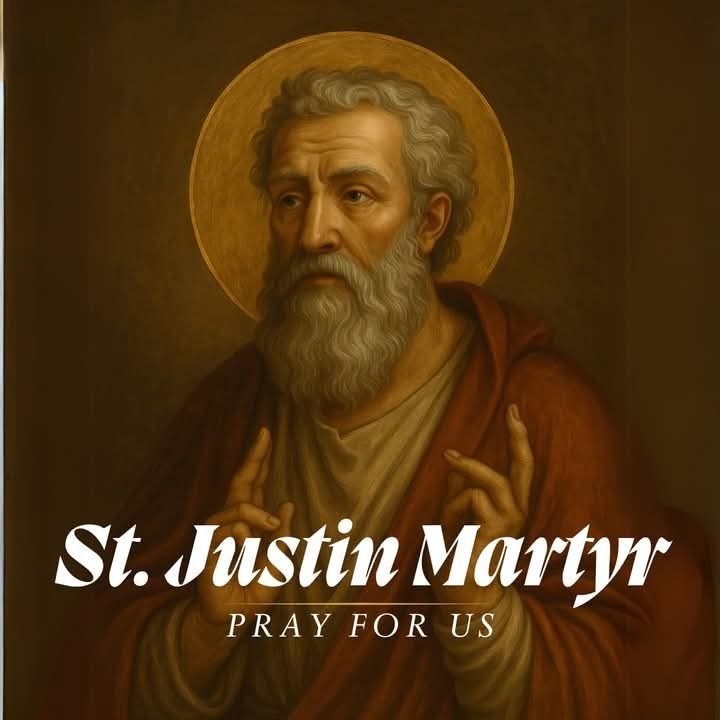
FEAST OF SAINT JUSTIN, MARTYR
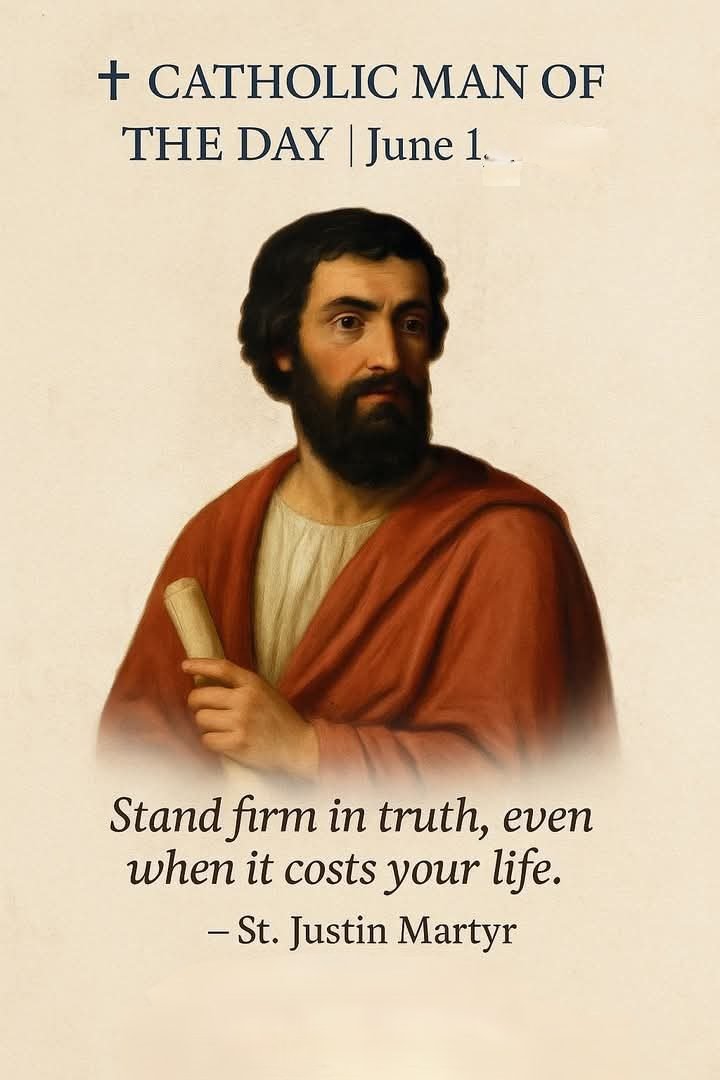
FEAST DAY – 1st JUNE
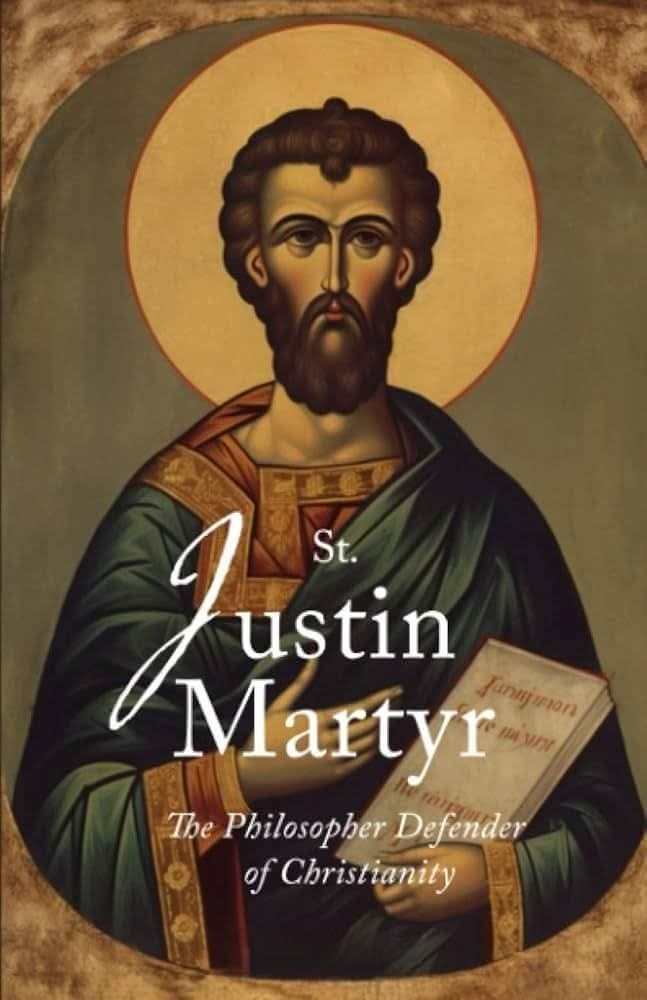
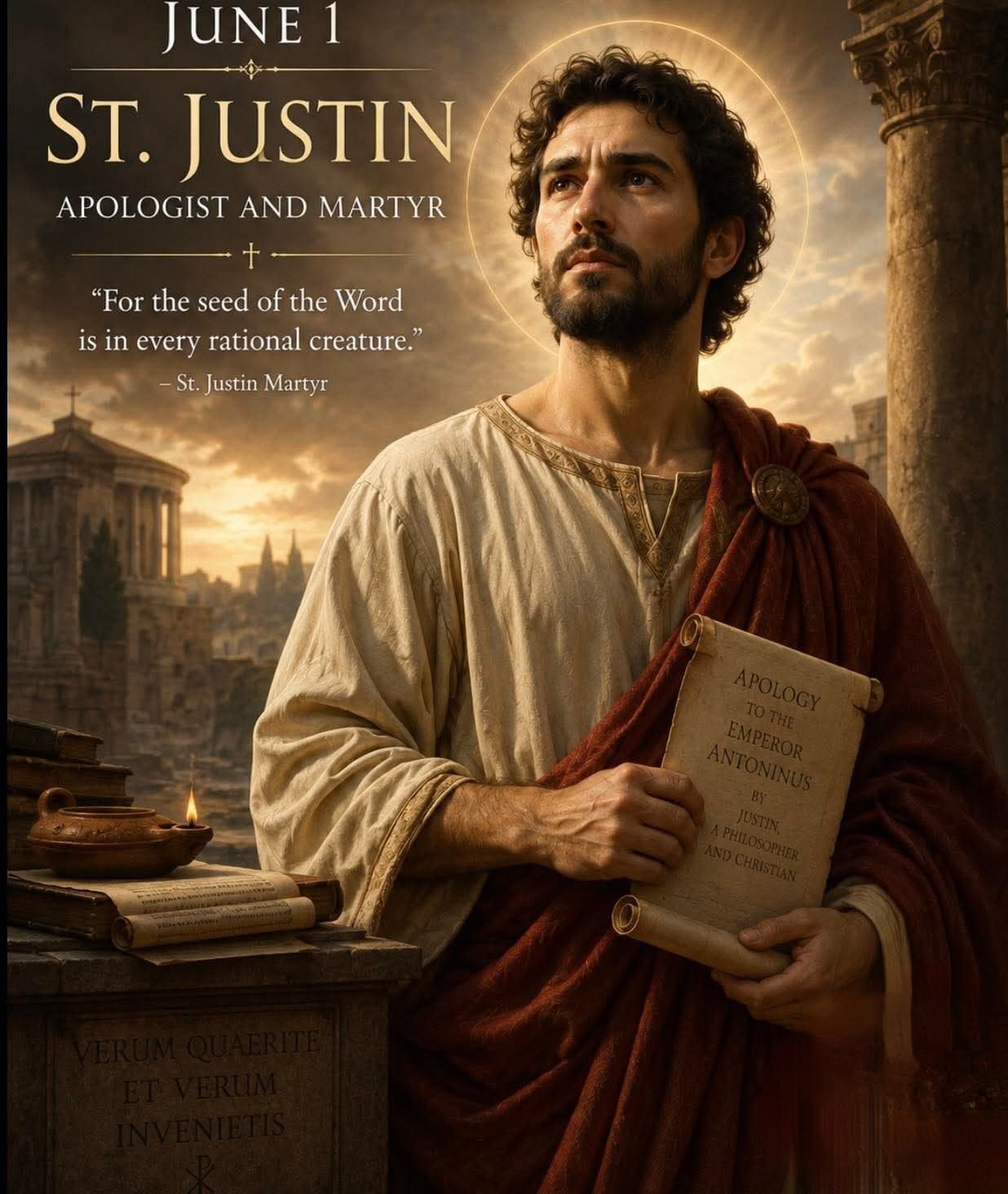
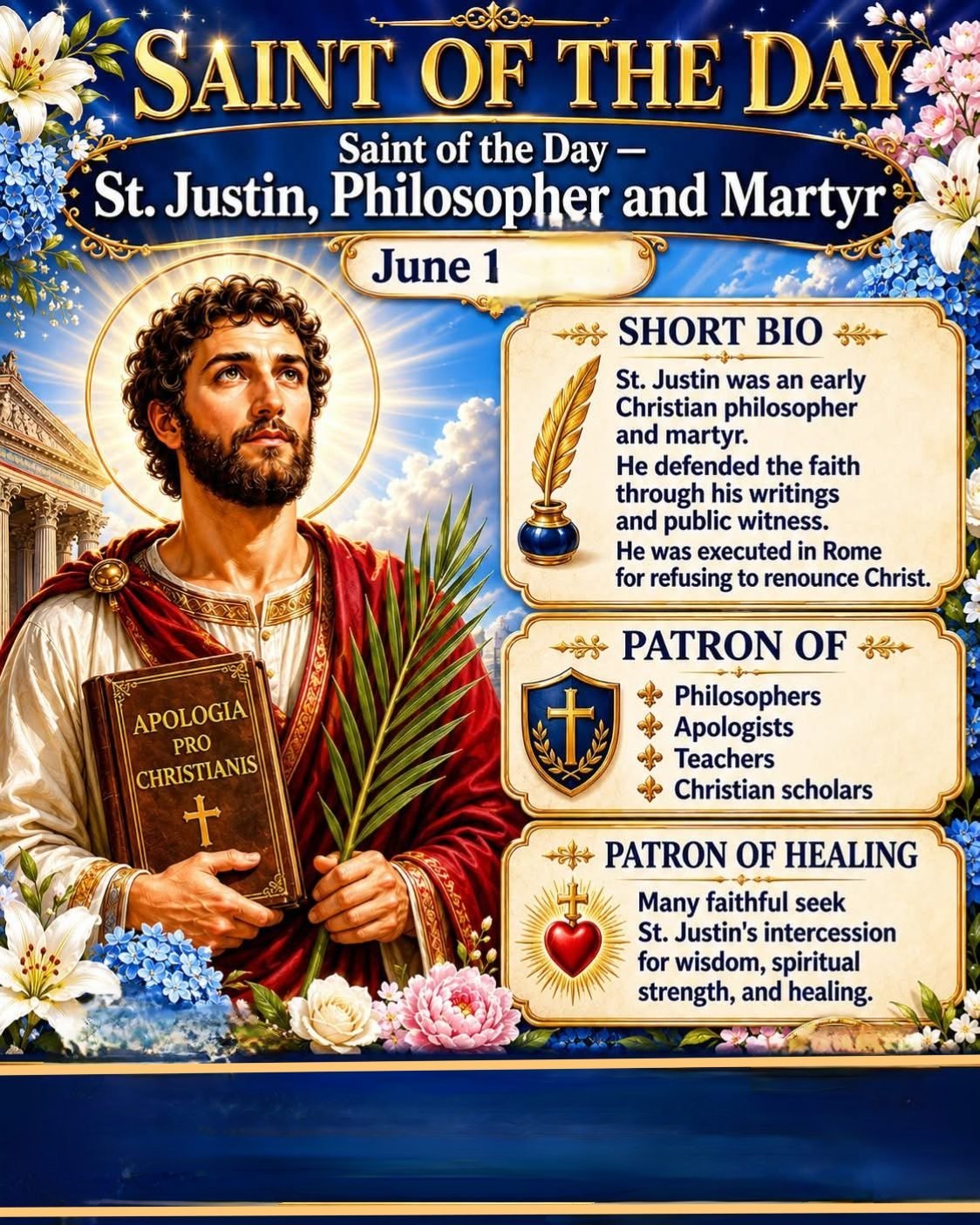
Saint Justin was a philosopher in the Greek tradition, born around 100 A.D. in Samaria to Greek parents. Saint Justin wrapped himself in the white, toga-style cloak of a Greek philosopher even after his conversion. He is the most well-known apologist of the second century, the only true Christian thinker known between the time of Saint John the Evangelist and Origen in the first half of the third century.
Justin mercilessly criticized the intellectual dead end of the ancient paganism in which he was raised, seeing it as not merely neutral but as an obstacle to discovering the truth. Justin loved the idea that Christ the Logos was the same in substance but different in person from the Father. Theological truth expressed in the concepts of Greek philosophy was very satisfying to him, because it was very true.
Justin also provided some of the very first words on the Holy Eucharist outside of the New Testament itself: “And this food is called among us the Eucharist…we (have) been taught that the food which is blessed by the prayer of His word, and from which our blood and flesh by transmutation are nourished, is the flesh and blood of that Jesus who was made flesh.” What a clear and remarkable testament to Christianity’s early belief in the Eucharist!
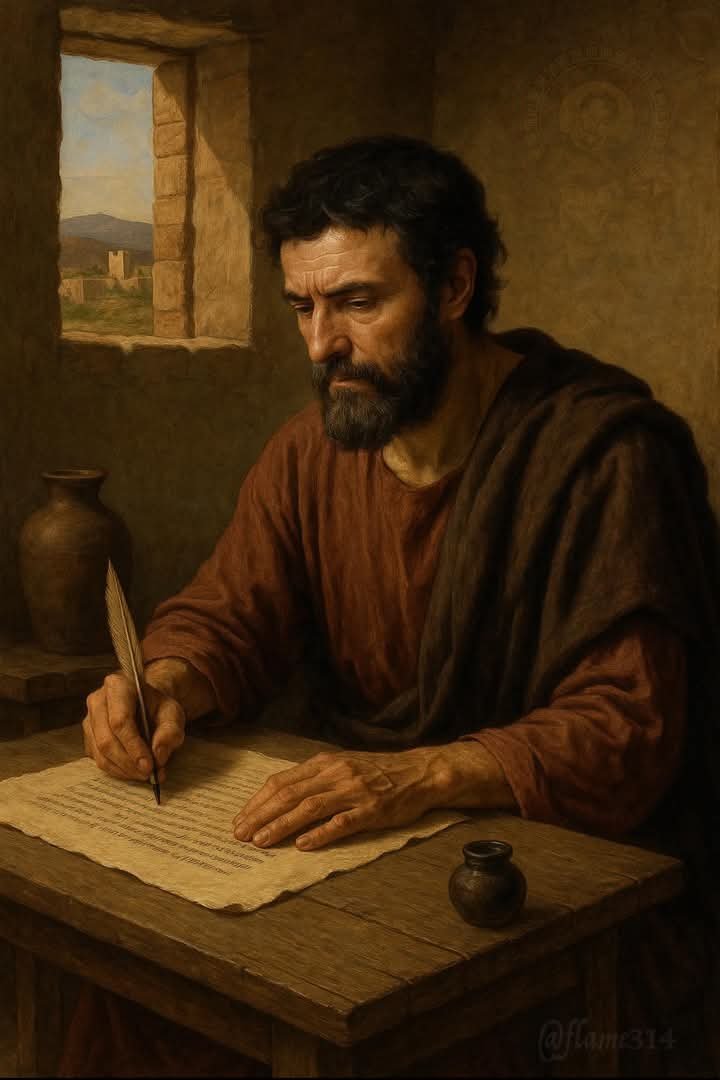
Most of his works are lost, but two apologies and a dialogue did survive. The First Apology, his most well-known text, passionately defends the morality of the Christian life, and provides various ethical and philosophical arguments to convince the Roman emperor, Antoninus, to abandon the persecution of the Church.
Further, he also indicates, as St. Augustine would later, regarding the “true religion” that predated Christianity, that the “seeds of Christianity” actually predated Christ’s incarnation. This notion allows him to claim many historical Greek philosophers (including Socrates and Plato), in whose works he was well studied, as unknowing Christians.
Justin moved to Rome to teach philosophy and spent decades there writing and interacting with the higher echelons of Roman society.
But even a thoughtful intellectual was not immune from persecution for being a Christian. Sometime between 162 and 168 A.D., Justin and six companions were called to answer for their beliefs before the Prefect of Rome.
The record of the trial has been preserved and shows the Prefect demanding that Justin sacrifice to the gods of Rome. Justin and his friends refuse and are threatened with torture and death. They respond: “Do as you wish; for we are Christians, and we do not sacrifice to idols.” What bravado! They sternly refused to be idolaters.
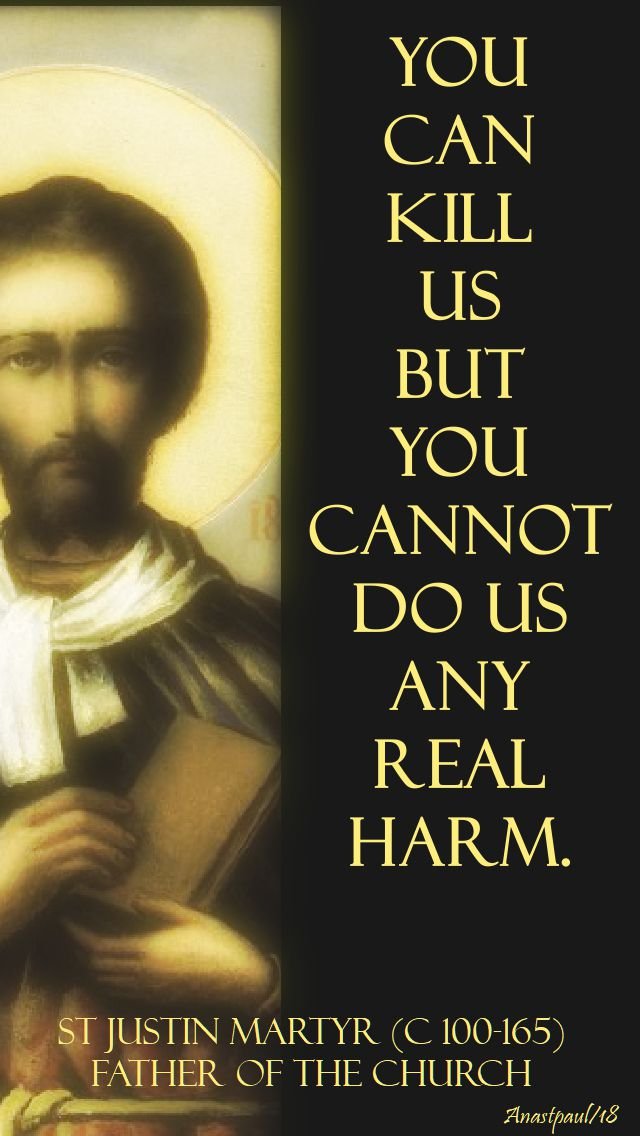
Justin chose, as the Church chose, the God of the philosophers over the false gods of paganism. This was a choice for truth over illusion. As Tertullian would later write: “Christ has said that he is truth, not custom” (De Virgin. Vel. 1, 1). The Christian God is both Father and the Prime Mover; the God of Jesus Christ and the Uncaused Causer; the God of Abraham, Isaac, and Jacob and thought thinking itself.
He is Father and He is Almighty. He is everywhere, because He is nowhere. He is paternal and close at hand but forever mysterious and inaccessible. He gives a name, “I am Who am,” which is a riddle. We take this complex understanding of God for granted today. But the labor of early Christians like Saint Justin Martyr dug the deep intellectual foundations into which were later driven the piers of sound doctrine. It takes very smart people to make simple points.
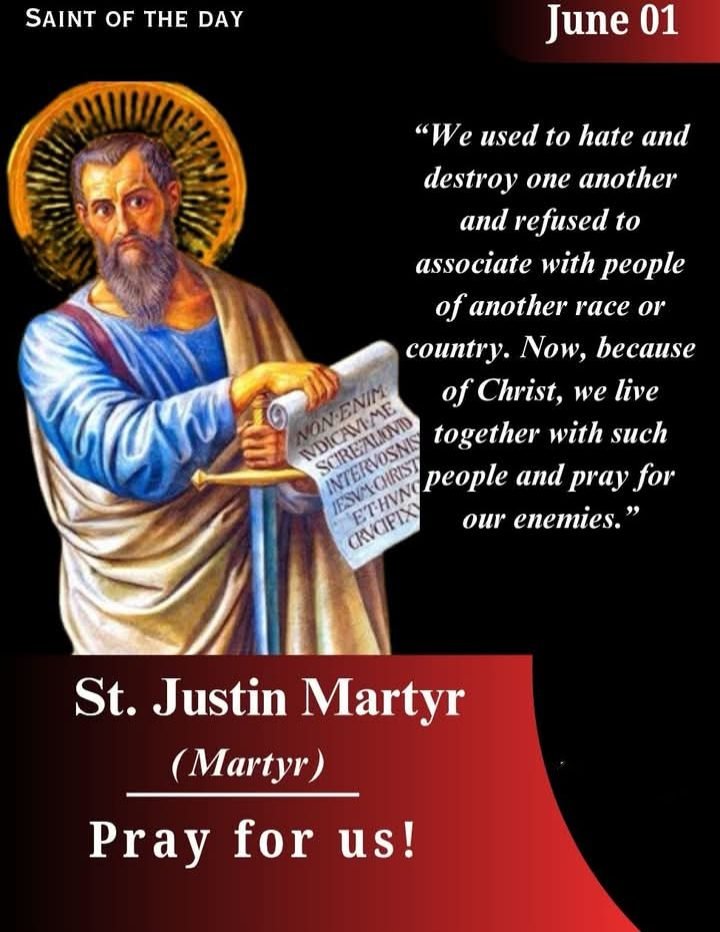
Justin was martyred, along with some of his students. They were duly led away, scourged, and beheaded. He is venerated as a saint by the Catholic Church, the Eastern Orthodox Church, the Oriental Orthodox Churches and in Anglicanism.
CONTEMPLATING THE LIFE OF SAINT JUSTIN, MARTYR – THE PHILOSOPHER WHO FOUND CHRIST
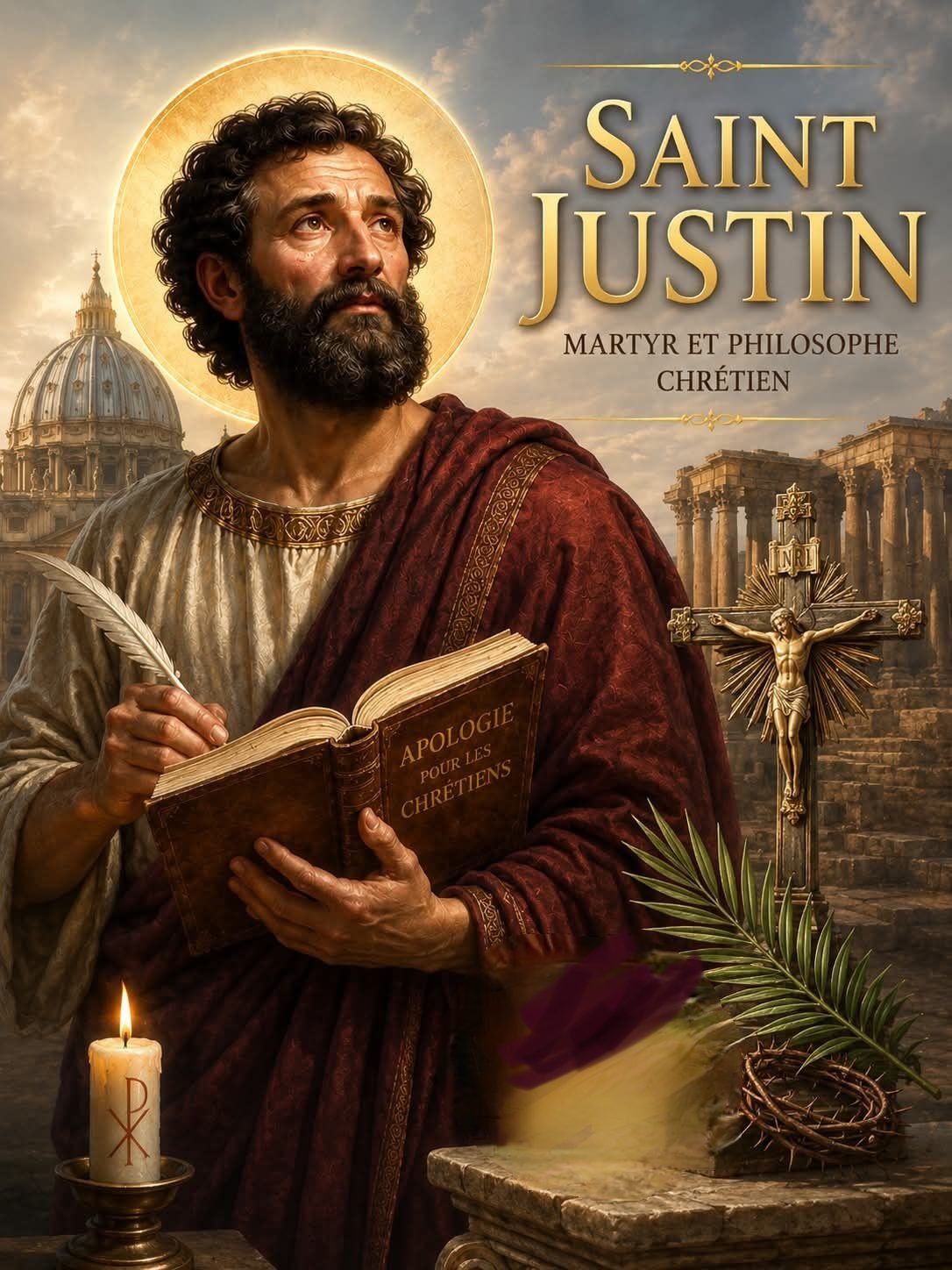
St. Justin Martyr stands among the most important figures of early Christianity, bringing together faith and reason, philosophy and revelation. He is remembered as a philosopher, theologian, defender of the faith, evangelist, and martyr.
HISTORICAL BACKGROUND
Justin lived during the second century when Christianity was still small and often persecuted in the Roman Empire. Christians faced suspicion, false accusations, and misunderstanding. Justin became one of the first great thinkers to explain and defend Christianity before the educated world.
A RESTLESS SEEKER OF TRUTH
Born in Flavia Neapolis in present-day Palestine, Justin spent his youth searching for answers about God, truth, and the meaning of life. He studied various philosophical traditions including Stoicism, Aristotelian thought, Pythagorean teachings, and Platonism, but remained unsatisfied.
THE DISCOVERY OF CHRIST
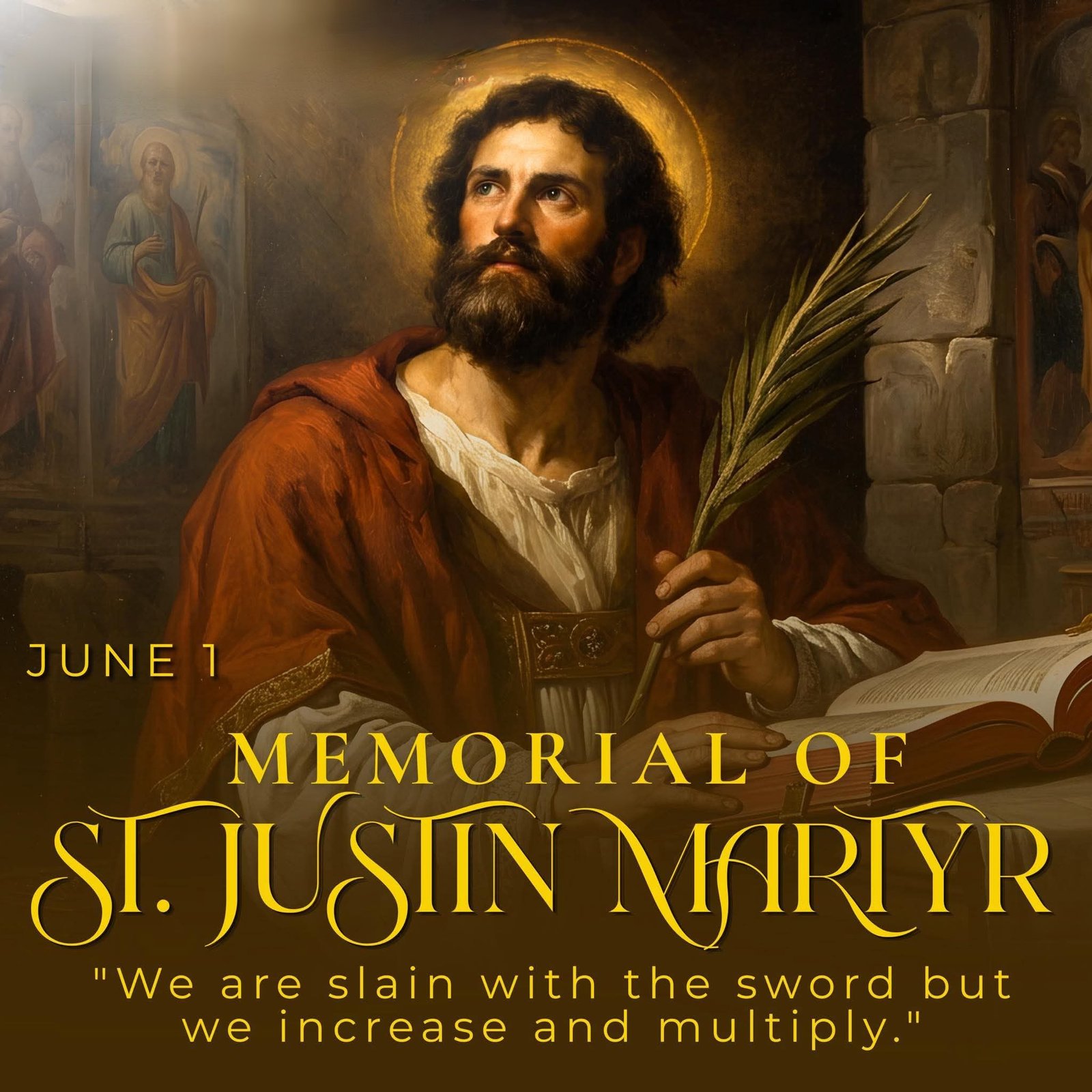
A turning point came when Justin met an elderly man near the seashore who spoke to him about the prophets, divine revelation, and Jesus Christ. Justin came to believe that truth was not simply an idea but a person. He embraced Christianity and called it the “True Philosophy.”
THE CHRISTIAN PHILOSOPHER
After his conversion, Justin continued wearing the philosopher’s cloak to show that Christianity and reason belong together. He traveled widely teaching and eventually opened a school in Rome where he taught and defended the Christian faith.
DEFENDER OF THE FAITH
Christians were often falsely accused of atheism, disloyalty, and dangerous behavior. Justin wrote powerful defenses of Christianity, especially his Apologies, urging rulers to judge Christians fairly and truthfully.
TEACHER OF THE EARLY CHURCH
Justin explained Christian beliefs and worship in detail, describing Scripture readings, prayer, preaching, and the Eucharist. He taught that Christ is the eternal Logos, the Divine Word, and that all truth ultimately comes from Him.
COURAGE AND MARTYRDOM
Justin openly debated philosophers and critics despite growing opposition. Around the year 165, he and several companions were arrested and ordered to renounce Christ. He refused and was executed for his faith.
SPIRITUAL THEMES
SEARCH FOR TRUTH
Justin shows that sincere searching can lead to God.
FAITH AND REASON
He believed faith and intellect work together.
COURAGEOUS WITNESS
He defended truth even at great personal cost.
CHRIST AS FULFILLMENT
He taught that all truth ultimately points toward Christ.
WHY HE STILL MATTERS
In a world that often separates faith from reason, Justin reminds believers that Christianity welcomes serious questions and honest inquiry. His life continues to inspire students, scholars, seekers, and all who search for truth.
HIS ENDURING MESSAGE
Justin sought truth through philosophy, found truth in Christ, and remained faithful until death. For him, truth was not merely an idea—it was Christ Himself.
PRAYER
Lord God, we have received the gift of faith with little labor of our own. May we learn how to value it from those who reached it after long search, and lived in the misery of a world which did not know You.
Let us fear, as St. Justin did, the account we shall have to render for the gift of our faith in You, O Lord, in Jesus’ Name. Amen
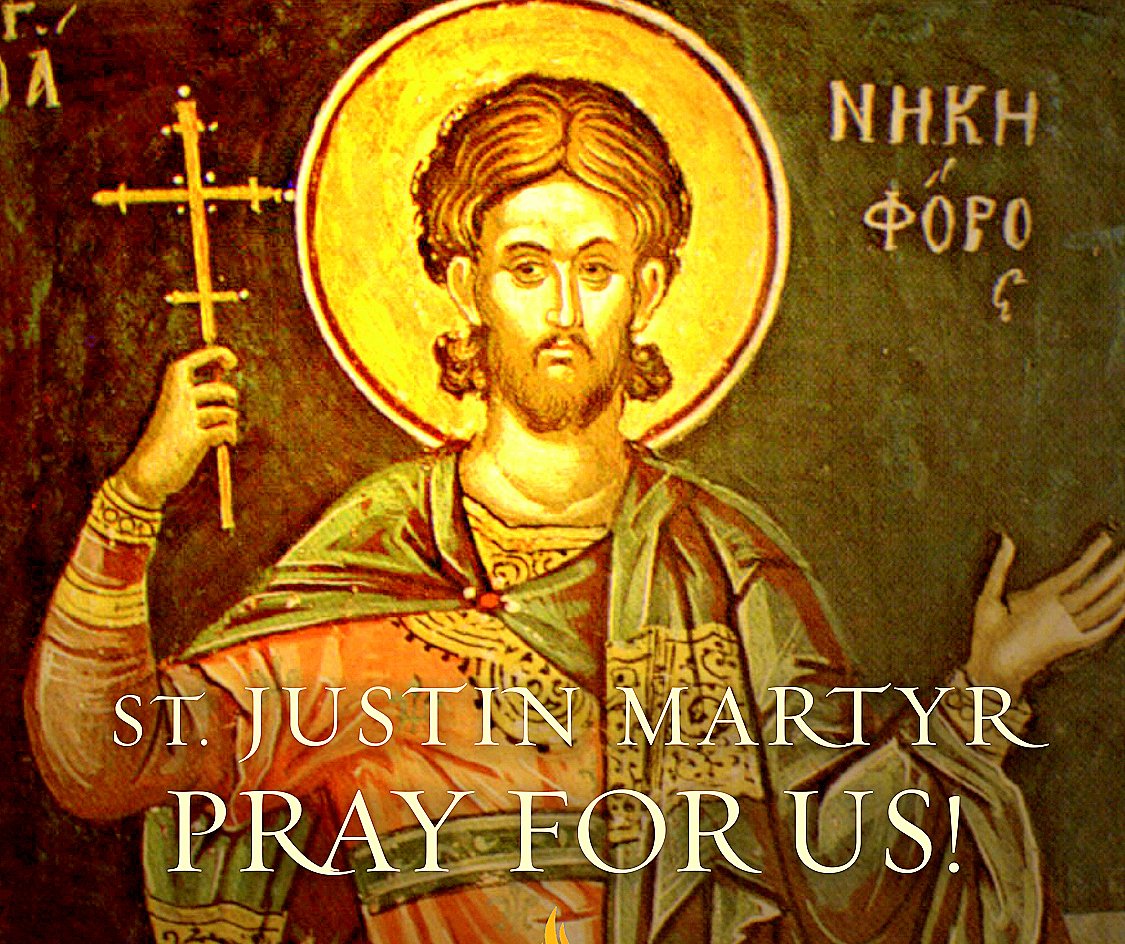
Saint Justin, you surrendered your life rather than worship an idol. Your refusal to abjure your faith gives an example to all Christian intellectuals and teachers that the deepest truths are not found only on a page but must be lived, and sacrificed for, even unto death. Saint Justin, pray for us.