
SPIRITUAL INSIGHTS INTO THE LIFE OF SAINT BERNARD OF CLAIRVAUX
August 20, 2026
FEAST OF SAINT PIUS X POPE – 21st AUGUST
August 21, 2026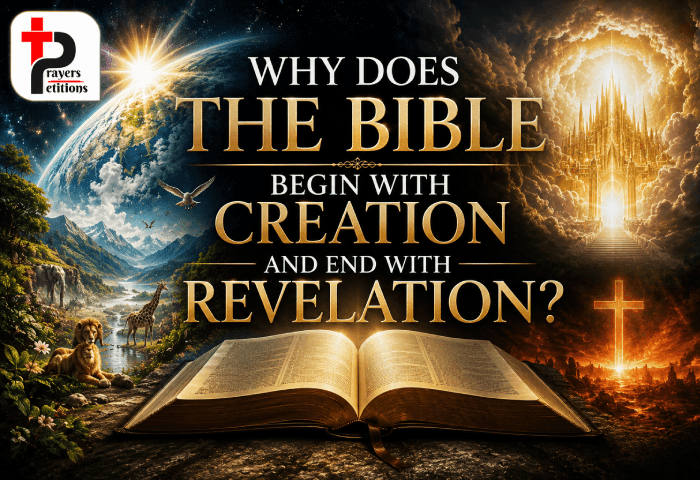
The Bible begins with Genesis, where God creates the heavens and the earth. The opening chapters introduce a world created with purpose, order, beauty, and life. Humanity is created in God’s image and given a special relationship with Him.
Creation establishes an important foundation for the entire Bible: God is the Creator, life belongs to Him, and His creation has a purpose. Before introducing sin, suffering, or death, Scripture first shows us God’s original design for the world.
Sin and the Broken Creation
After creation comes the fall of humanity. Adam and Eve disobey God, and sin enters the world. This changes the relationship between humanity, God, and creation.
From this point forward, much of the Bible tells the story of God’s response to this brokenness. The Old Testament records humanity’s struggles, God’s covenant with His people, His promises, and His repeated call for people to return to Him.
The story that began in a perfect garden becomes a story of humanity searching for restoration.
Redemption through Jesus Christ
The Bible eventually leads to Jesus Christ, whose life, death, and resurrection become central to God’s plan of redemption. Jesus comes to restore the relationship between humanity and God that was damaged by sin.
His resurrection brings the promise of new life, while His teachings point toward God’s Kingdom and the restoration that is still to come.
This connects the beginning of the Bible with its ending. What was broken in Genesis begins moving toward restoration through Christ.
Revelation as the Final Restoration
The Bible ends with Revelation, which presents a vision of God’s ultimate victory and the restoration of creation. Revelation describes a new heaven and a new earth, where God dwells with His people.
The ending is significant because the Bible does not simply end with judgment or destruction. It ends with restoration, God’s presence, and the removal of suffering, death, and mourning.
In this sense, Revelation brings the biblical story full circle.
From the Garden to God’s Presence
One of the most beautiful connections between Genesis and Revelation is the theme of God’s presence.
Genesis begins with humanity living in God’s creation and enjoying His presence. After sin enters the world, that relationship becomes broken. Throughout Scripture, God’s desire to dwell with His people continues to appear through the tabernacle, the temple, Jesus, and the Holy Spirit.
Revelation brings this theme to its fulfillment as God’s presence is fully restored with His people.
From Brokenness to Restoration
The Bible’s overall story can be understood as a journey from creation to fall, redemption, and restoration.
Genesis introduces God’s good creation. Sin brings brokenness into the world. The rest of Scripture reveals God’s work of redemption, ultimately centered on Jesus Christ. Revelation then points toward the final restoration of all things.
This shows that the Bible is not simply a collection of unrelated books. Although it contains different genres, authors, and historical periods, its larger story connects God’s creation, humanity’s fall, Christ’s redemption, and the promise of restoration.
Hopeful Meaning for Believers
The beginning and ending of the Bible offer an important message of hope. The world we experience today is not presented as the final version of God’s creation.
Genesis shows us where the story begins, while Revelation shows us where God’s plan ultimately leads. Between these two books, Scripture reveals God’s faithfulness through generations and His desire to restore what sin has broken.
The Bible therefore begins with creation and ends with Revelation because its story moves from God’s original creation to His ultimate restoration.
Genesis and Revelation form powerful bookends to the Bible. Genesis introduces creation, humanity, and God’s relationship with His creation, while Revelation reveals the promise of a restored creation where God dwells with His people.
Together, they show that the biblical story is ultimately about God’s purpose, humanity’s brokenness, Christ’s redemption, and the hope of restoration. The Bible begins with creation because God is the source of all things, and it ends with Revelation because God’s story ultimately moves toward renewal, victory, and eternal life.
Frequently Asked Questions (FAQs)
1. Why Does the Bible Begin with Genesis?
Genesis introduces God as the Creator and establishes the beginning of humanity and creation.
2. Why Does the Bible End with Revelation?
Revelation reveals God’s ultimate victory, judgment, and the restoration of creation.
3. How Are Genesis and Revelation Connected?
Genesis begins the story of creation and the fall, while Revelation points toward the final restoration of creation.
4. What Is the Main Message between Genesis and Revelation?
The Bible tells the story of God’s relationship with humanity, humanity’s fall, Christ’s redemption, and God’s promise of restoration.