
TODAY’S GOSPEL READING – 20 MAY
May 20, 2026
Proverbs 29:25
May 21, 2026
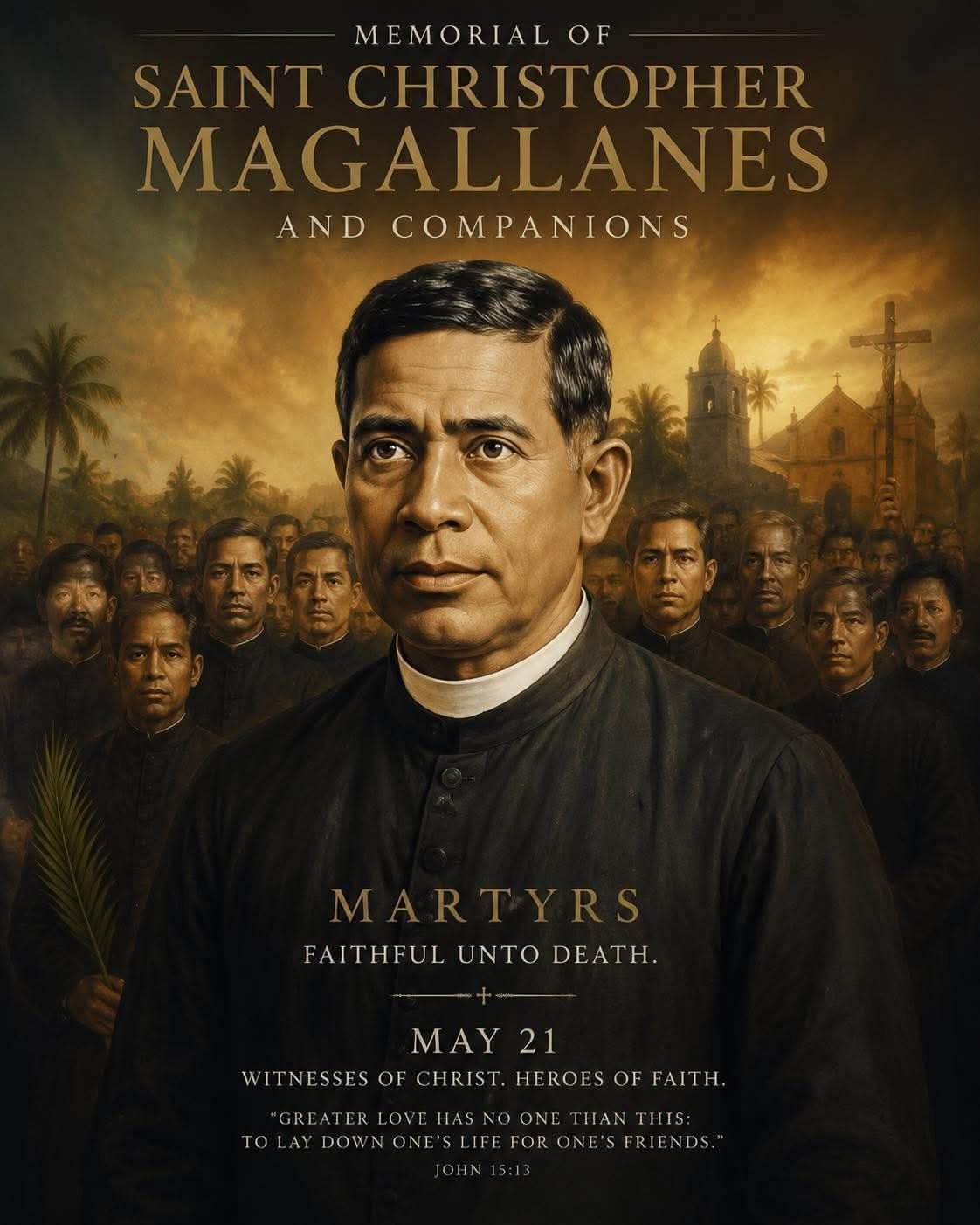
FEAST OF SAINT CRISTOBAL/CHRISTOPHER MAGALLANES AND COMPANIONS, MARTYRS
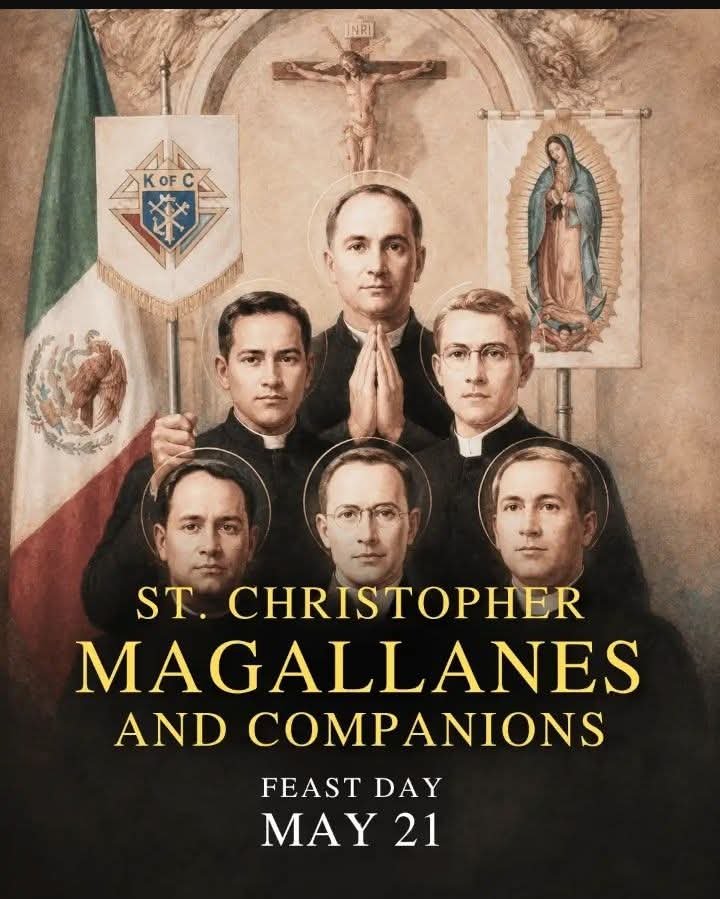
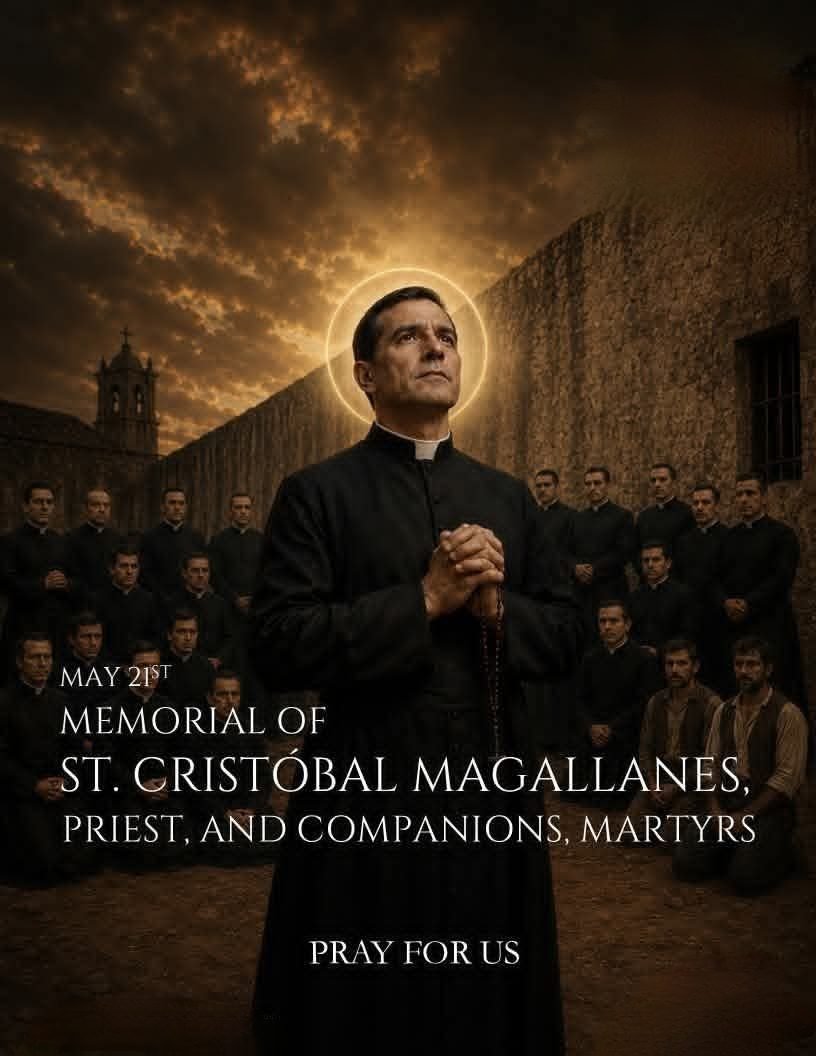
FEAST DAY – 21st MAY
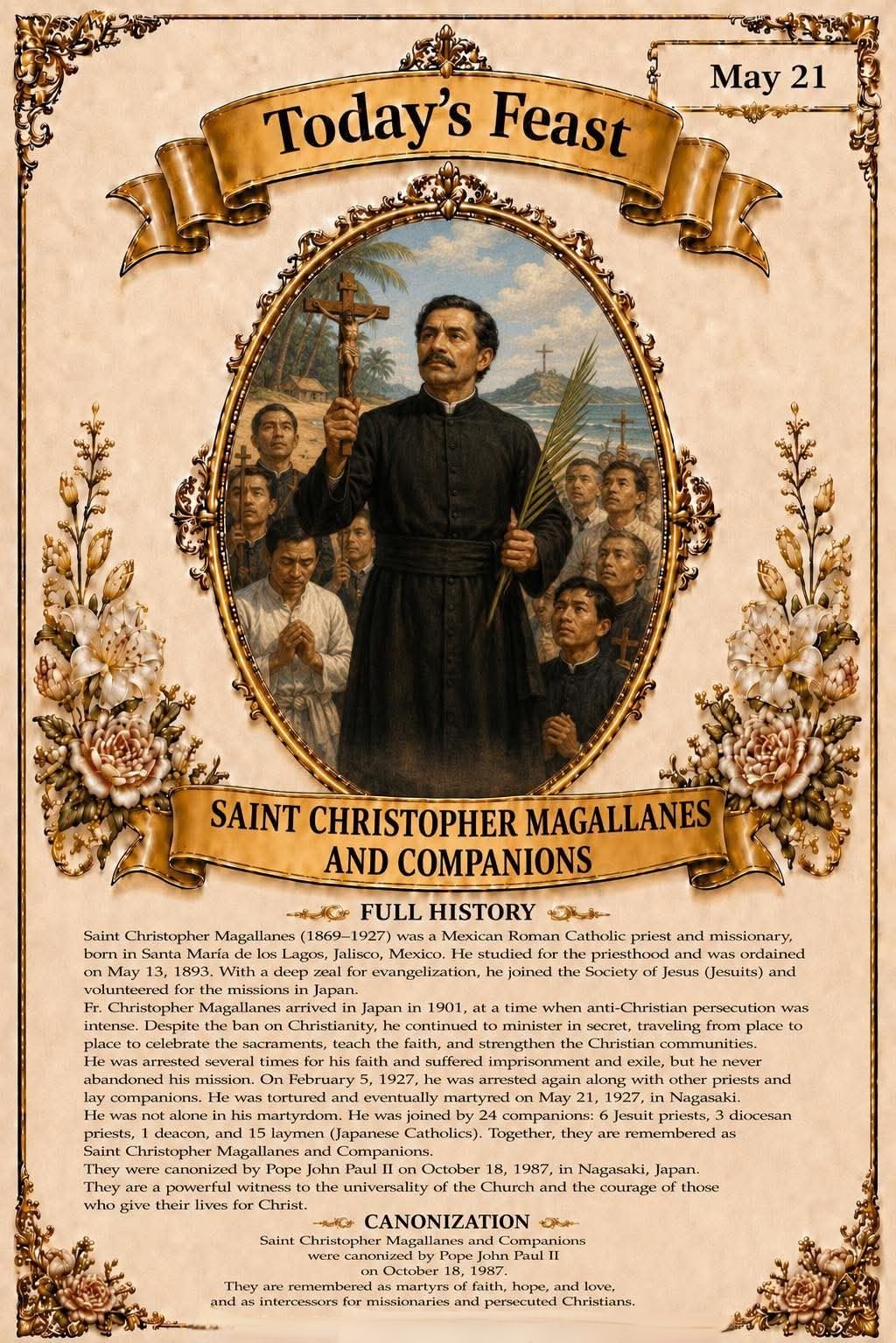
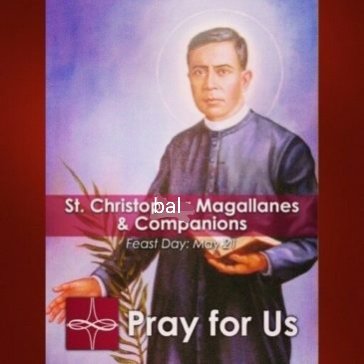
Cristóbal Magallanes Jara was born in Totatiche, Jalisco, Mexico on July 30, 1869. He was son of Rafael Magallanes Romero and Clara Jara Sanchez, who were farmers. He worked as a shepherd in his youth and enrolled in the Conciliar Seminary of San José in Guadalajara at the age of 19. Cristóbal was ordained at the age of 30 at Santa Teresa in Guadalajara in 1899.
He served as chaplain of the School of Arts and Works of the Holy Spirit in Guadalajara. He was then designated as the parish priest for his home town of Totatiche, where he helped found schools and carpentry shops and assisted in planning for hydrological works, including the dam of La Candelaria. He took special interest in the evangelization of the local indigenous Huichol people and was instrumental in founding the mission in the indigenous town of Azqueltán.
When government decrees closed the seminary in Guadalajara in 1914, Magallanes offered to open a clandestine seminary in his parish. In July 1915, he opened the Auxiliary Seminary of Totatiche, which achieved a student body of 17 students by the following year and was recognized by the Archbishop of Guadalajara, José Francisco Orozco y Jiménez, who appointed a precept and two professors to the seminary.
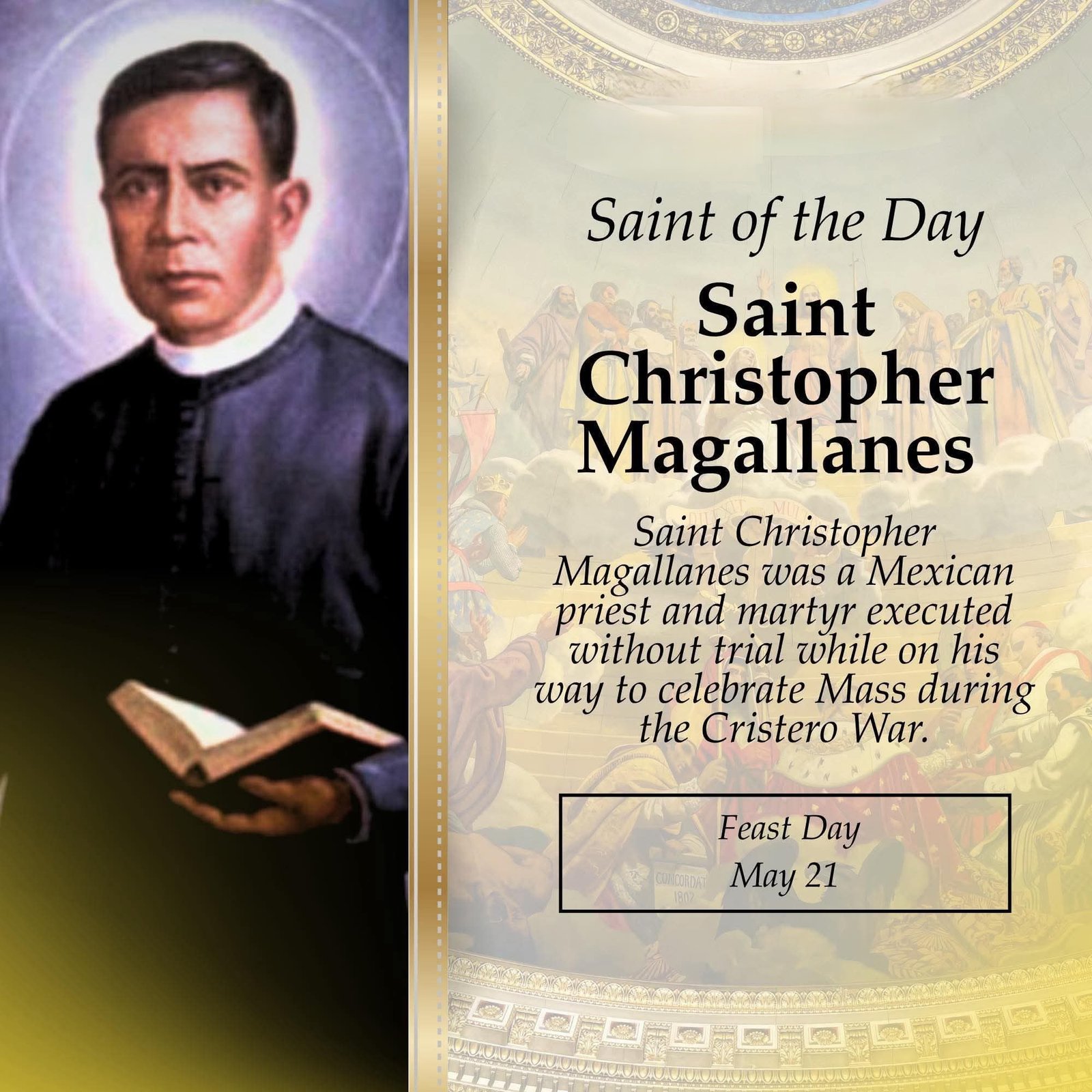
Magallanes wrote and preached against armed rebellion, but was falsely accused of promoting the Cristero Rebellion in the area. Arrested on May 21, 1927, while en route to celebrate Mass at a farm, he gave away his few remaining possessions to his executioners, gave them absolution, and without a trial, he was killed four days later with Agustín Caloca in Colotlán, Jalisco.
His last words to his executioners were “I die innocent, and ask God that my blood may serve to unite my Mexican brethren.” He was succeeded as parish priest of Totatiche by José Pilar Quezada Valdés, who went on to become the first bishop of the Archdiocese of Acapulco. Like Blessed Miguel Agustín Pro, S.J., Cristóbal and his 24 companion martyrs lived under a very anti-Catholic government in Mexico, one determined to weaken the Catholic faith of its people.
Magallanes and the other priests were forced to minister secretly to Catholics during the presidency of Plutarco Calles (1924 – 28). All of these martyrs except three were diocesan priests. David, Manuel and Salvador were laymen who died with their parish priest, Luis Batis.
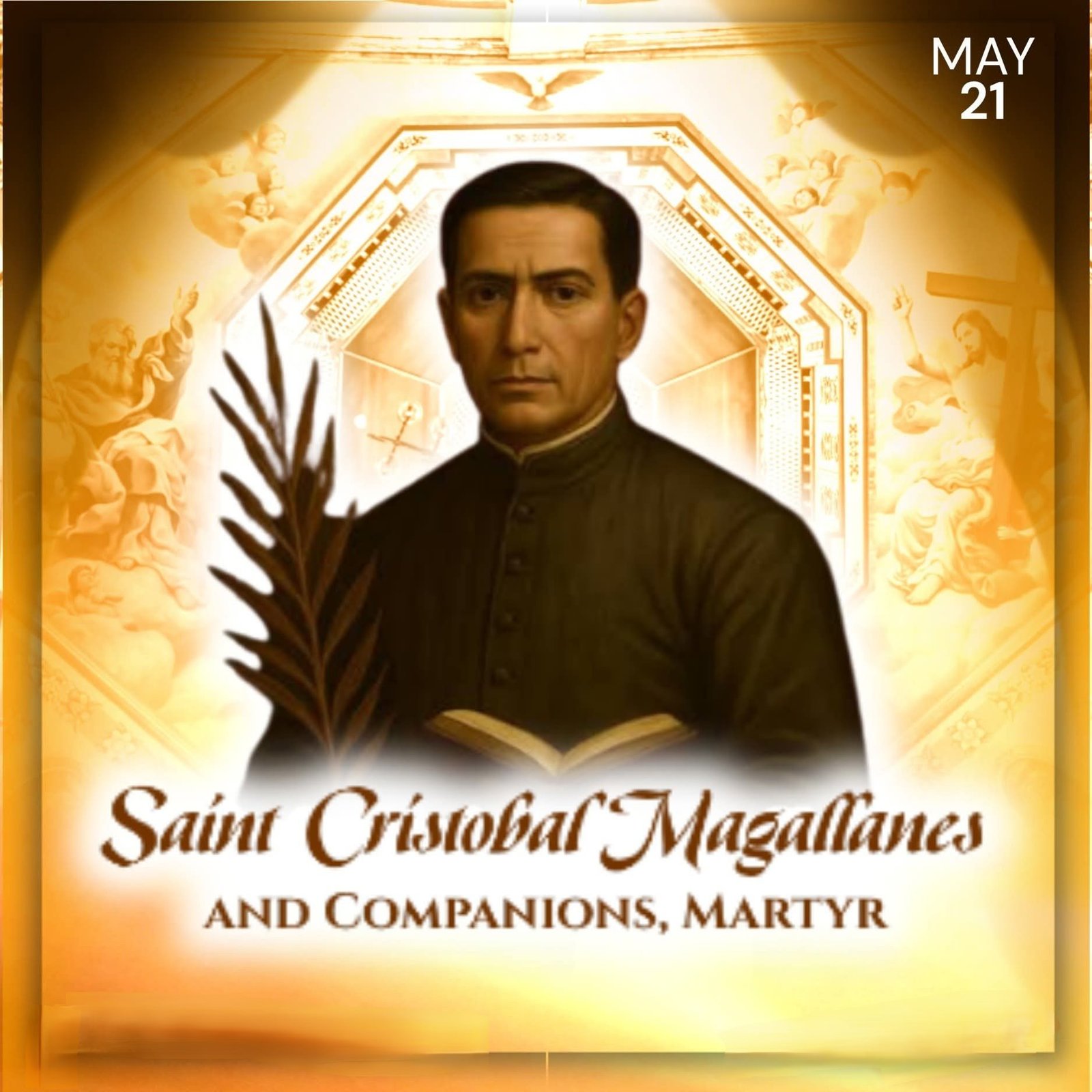
All of these martyrs belonged to the Cristero movement, pledging their allegiance to Christ and to the Church that he established to spread the Good News in society—even if Mexico’s leaders once made it a crime to receive Baptism or celebrate the Mass.
These martyrs did not die as a single group but in eight Mexican states, with Jalisco and Zacatecas having the largest number. They were beatified in 1992 and canonized eight years later. Magallanes was canonized by Pope John Paul II on May 21, 2000. He is celebrated in the Catholic Church with an optional memorial on 21 May. The concluding sequence of the movie For Greater Glory (2012) says that the fictional character “Father Christopher” portrayed by actor Peter O’Toole was based on Cristobal Magallanes Jara.
CONTEMPLATING THE LIFE OF SAINT CHRISTOPHER MAGALLANES AND COMPANIONS
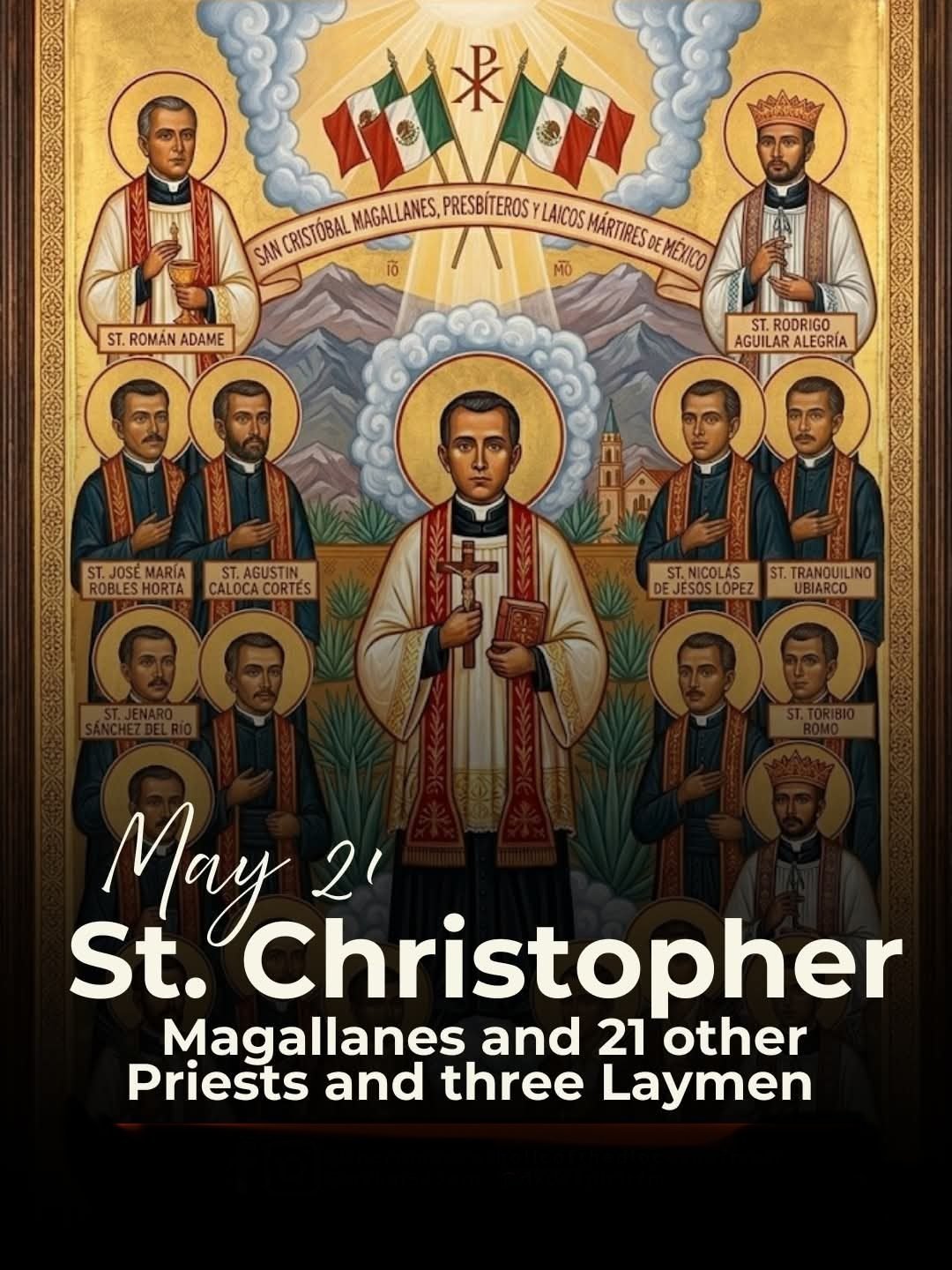
MARTYRS OF FAITH DURING THE MEXICAN PERSECUTION
Saint Christopher Magallanes and his Companions were Mexican priests and lay Catholics martyred during the violent anti-Catholic persecution in Mexico in the 1920s, especially during the Cristero War. They were not political revolutionaries but faithful Christians who remained loyal to Christ and the Church when public worship and priestly ministry were suppressed.
Their witness became a lasting symbol of courage, fidelity, forgiveness, and steadfast faith. Many died proclaiming, “Long live Christ the King!”
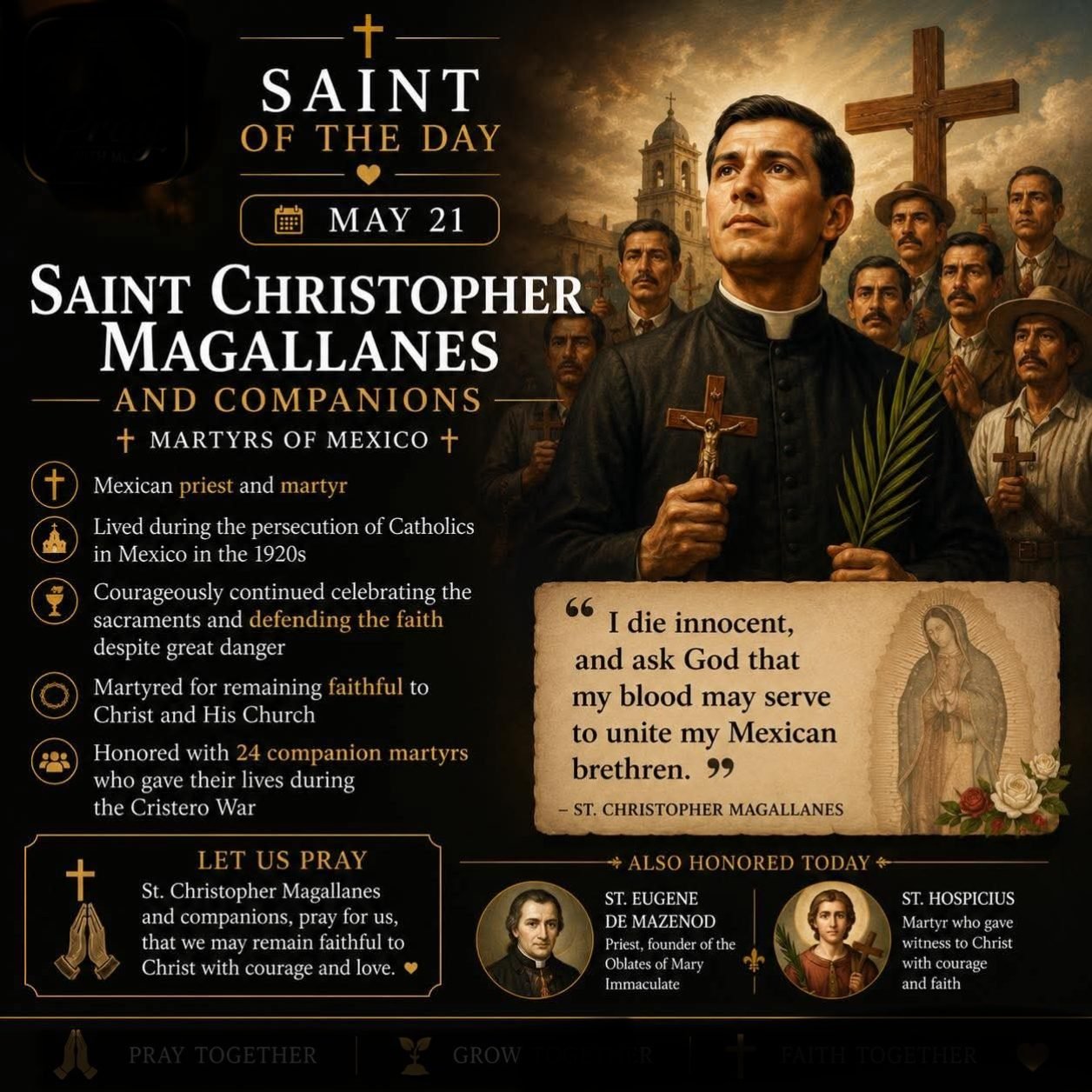
HISTORICAL BACKGROUND
After the Mexican Revolution, the government imposed strong anti-clerical laws against the Church. Catholic education was restricted, priests were monitored, religious orders were targeted, and Church activities were heavily limited.
Under President Plutarco Elías Calles, persecution intensified further. Churches were closed, public worship was banned, priests were arrested, and religious instruction was forbidden. Masses were often celebrated secretly, and Catholics risked imprisonment or death for practicing the faith openly.
This persecution eventually led to the Cristero War from 1926 to 1929.
WHO WERE THE MARTYRS
The Church canonized twenty-five martyrs under the title “Saint Christopher Magallanes and Companions.” They included priests, seminarians, and laymen from different parts of Mexico.
Some were publicly executed, while others were imprisoned, tortured, or shot without trial. Many continued ministering secretly despite constant danger.
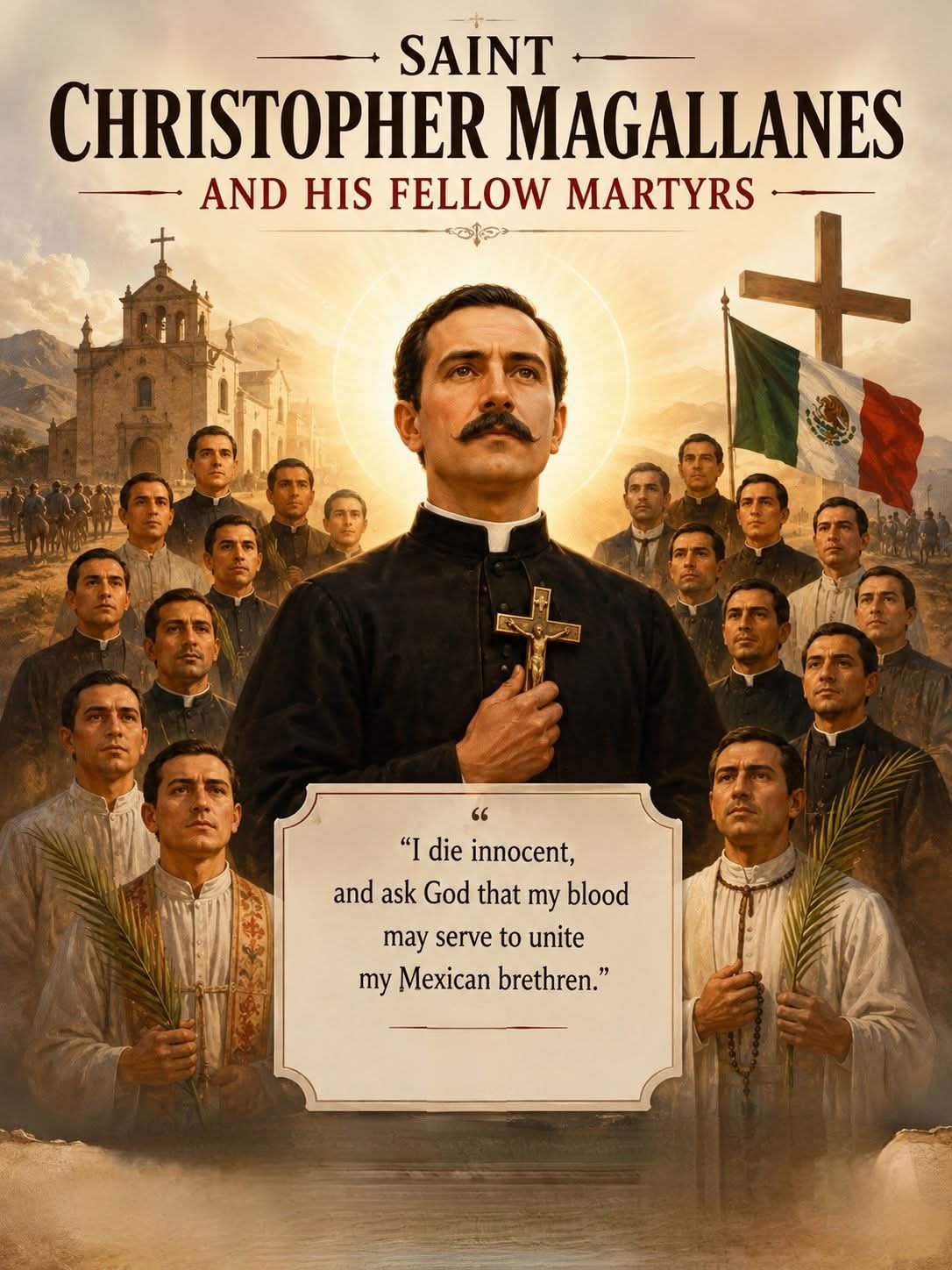
THE LIFE OF SAINT CHRISTOPHER MAGALLANES
Christopher Magallanes was born in 1869 in Jalisco, Mexico, into a poor farming family. As a young boy he worked tending sheep and grew up known for his devotion, intelligence, and seriousness.
He later entered the seminary and became a diocesan priest.
HIS PRIESTLY MINISTRY
Father Christopher was deeply prayerful, disciplined, charitable, and committed to catechesis and education. He established schools, catechetical centers, and seminaries, including secret seminaries during the persecution to continue training priests.
He cared especially for the poor, indigenous communities, and rural Catholics. Although falsely accused of supporting rebellion, he emphasized spiritual faithfulness rather than violence.
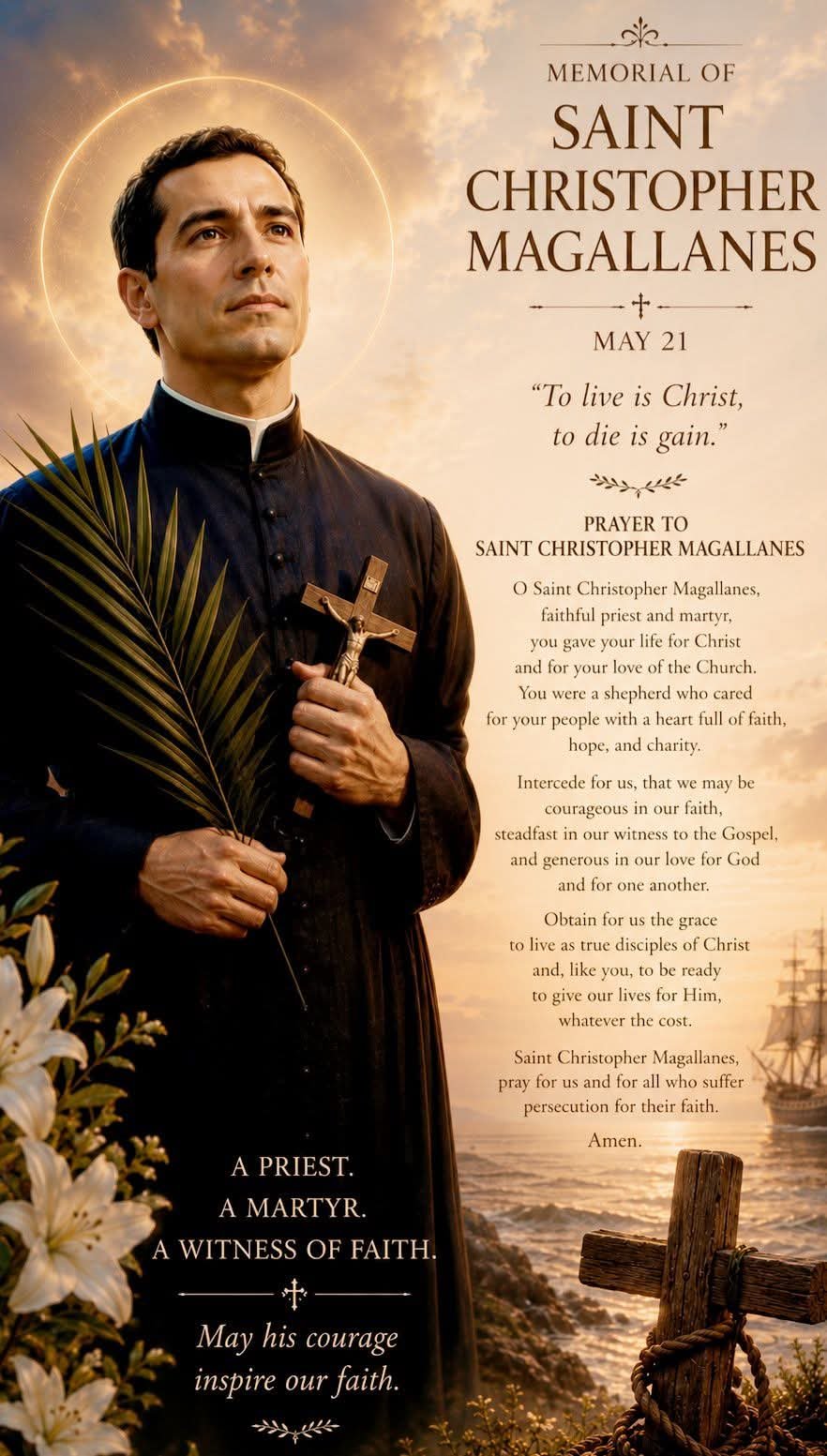
ARREST AND MARTYRDOM
In 1927, during the height of persecution, Father Christopher was arrested while traveling. He was accused without evidence of aiding rebels. Alongside him was Saint Agustin Caloca, a fellow priest and former student.
Both remained calm and prayerful while imprisoned. Before their execution, Christopher comforted the younger Agustin and spoke words of forgiveness and peace.
On May 25, 1927, they were executed by firing squad. Tradition records his final words as a prayer that his blood might help unite the Mexican people.
THE COMPANION MARTYRS
The companion martyrs included priests and lay Catholics such as Saint José María Robles Hurtado, Saint Rodrigo Aguilar Alemán, Saint Julio Álvarez Mendoza, Saint Miguel de la Mora, Saint Pedro Esqueda Ramírez, Saint David Galván Bermúdez, and Saint Toribio Romo González.
Though their stories differed, they were united by courage, fidelity to the sacraments, forgiveness of enemies, and unwavering loyalty to Christ.
THE CRISTERO SPIRIT
Many persecuted Catholics became known as Cristeros. Their cry, “Long live Christ the King,” expressed their belief that no earthly power could replace God’s authority.
Not all were fighters. Many priests and faithful Catholics were targeted simply for living and practicing their faith.
CONDITIONS DURING THE PERSECUTION
The persecution involved executions without trial, desecration of churches, torture, public humiliation of clergy, and restrictions on worship.
Priests celebrated Mass secretly, traveled in disguise, and ministered at night. Ordinary Catholics hid priests in homes and barns, risking their own lives to protect the faith.
THEIR SPIRITUAL CHARACTERISTICS
These martyrs are remembered for courage, serenity, Eucharistic devotion, forgiveness, and loyalty to the Church.
Many forgave their executioners before death. Some prayed openly while facing firing squads and showed remarkable peace even under suffering.
CANONIZATION
The martyrs were beatified and later canonized in the year 2000 by Pope John Paul II, who strongly emphasized the witness of modern martyrs because of his own experiences under oppression in Poland.
SPIRITUAL THEMES IN THEIR WITNESS
FAITH ABOVE FEAR
The martyrs chose fidelity to Christ even when it led to imprisonment or death.
THE EUCHARIST AS CENTRAL
Many risked everything simply to celebrate or receive the sacraments, showing the central place of the Eucharist in their lives.
FORGIVENESS OF ENEMIES
Like the early Christian martyrs, many forgave their persecutors rather than seeking revenge.
ORDINARY HOLINESS
Most were simple priests and laypeople whose holiness shone through ordinary faithfulness during extraordinary suffering.
SAINT TORIBIO ROMO GONZÁLEZ
Among the companion martyrs, Saint Toribio Romo González became especially beloved. Popular devotion associates him with migrants and immigrants because of stories and reported apparitions connected with migrants crossing borders.
MODERN RELEVANCE
These martyrs remain deeply relevant in a world where religious freedom is still threatened and many Christians continue to face persecution.
Their witness reminds believers that faith is not merely a cultural identity but may require sacrifice, courage, and perseverance.
FEAST DAY
The feast of Saint Christopher Magallanes and his Companions is celebrated on May 21 in the Roman Catholic Church.
WHY THEY MATTER SPIRITUALLY
The martyrs of Mexico reveal that the Church often grows strongest through fidelity amid suffering rather than comfort.
Their lives challenge believers to ask what is truly worth suffering for and whether faith can endure in times of fear and loss. They answered these questions not only with words, but with the offering of their lives.
PRAYER
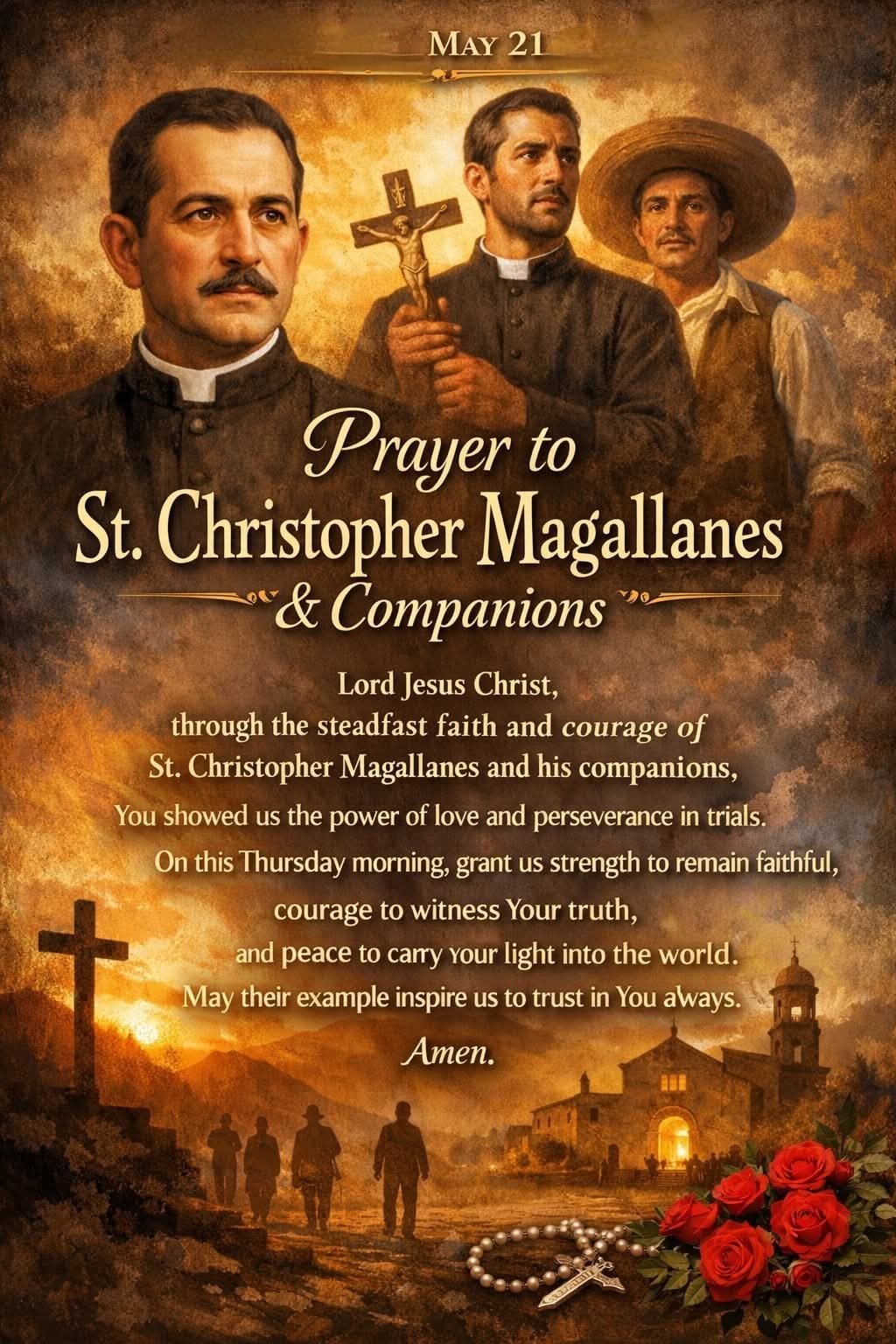
Heavenly Father, you made the Priest Saint Magallanes and his companions faithful to Jesus our Savior, even to the point of martyrdom. Grant us, through their intercession, that, holding fast to the true faith, we may always follow the commandments of your love.
Through our Lord Jesus Christ, your Son, Who lives and reigns with you in the unity of the Holy Spirit, one God, for ever and ever. Amen
************************************
ALSO CELEBRATED:
SAINT GODRIC of FINCHALE, Hermit
Saint Godric of Finchale was born in 1065, at Norfolk, in the United Kingdom, and died on May 21, 1170, at Finchale Priory, Framwellgate Moor, United Kingdom.
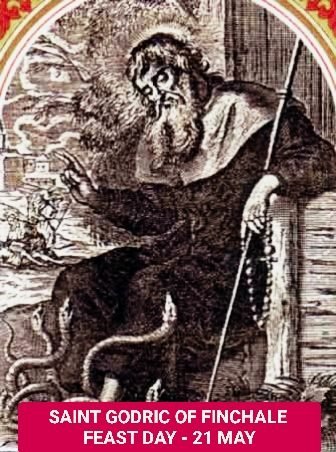
Saint Godric of Finchale was an English hermit, merchant and popular medieval saint, although he was never formally canonised. He was born in Walpole in Norfolk and died in Finchale in County Durham, England.
This long-lived Saint led a full life, pursuing a secular vocation until his middle years and a strictly religious one thereafter. Born about 1065 in Walpole, England, he started out as a peddler, and then took to the sea and became a prosperous trader. He made trips to Scotland, Flanders, and Scandinavia, and even steered the ship in times of danger. He still found time, however, to make pilgrimages to Saint Andrew’s in Scotland, Jerusalem, Compostela, and elsewhere.
In 1102, he assisted King Baldwin I of Jerusalem to escape after the Battle of Ramleh and earned the name of “pirate” from one of his contemporaries. After a brief stint as a steward to a Norfolk landowner he made two more pilgrimages, to Saint Gilles in Provence and to Rome in the company of his mother, who walked barefoot all the way. Then in his middle years he tried his hand at book-learning, and lived for some time with an old recluse near Bishop Auckland.
In 1110, Godric retired to Finchale in a little hut and remained there in solitude for the rest of his life. Here he practiced fearsome penances and dispensed salutary spiritual advice to all who came to him. He gained a power over wild creatures that was looked upon as remarkable and was endowed with the ability of Saint Thomas Becket whom he had never seen in the flesh.
It is also quite likely that this holy man was the first known lyrical poet in English as well as the author of the first known musical settings of English words. Four holy songs taken from his own lips have come down to us. Most remarkable of all is the fact that he was totally ignorant of music and attributed both words and melodies to the Blessed Virgin and his dead sister who appeared to him in a vision. He died in 1170.
Saint Godric of Finchale’s Day is celebrated on 21 May. His kindness to animals was legendary, even to the point of hiding a stag from hunters and allowing snakes to warm themselves by his fire. He also wrote some of the earliest surviving musical settings of hymns in middle English.
PRAYER
Dear God, how radically we can be changed by You is demonstrated by the life of Saint Godric. Such saints, as St. Godric, show us that our lives can change dramatically. St. Godric went from being a pirate to becoming a hermit. And long before St. Francis of Assisi, the holy hermit befriended animals. He abandoned the sailor’s life for a life of prayer. Help us grow in our spiritual life by the example of Saint Godric, so that we too may be guided to live life fully in Christ our Lord. Amen

Saint Godric of Finchale, pray for us!