
SPIRITUAL INSIGHTS INTO THE LIFE OF SAINT ELEUTHERIUS THE ABBOT
September 6, 2026
Psalm 121:2
September 6, 2026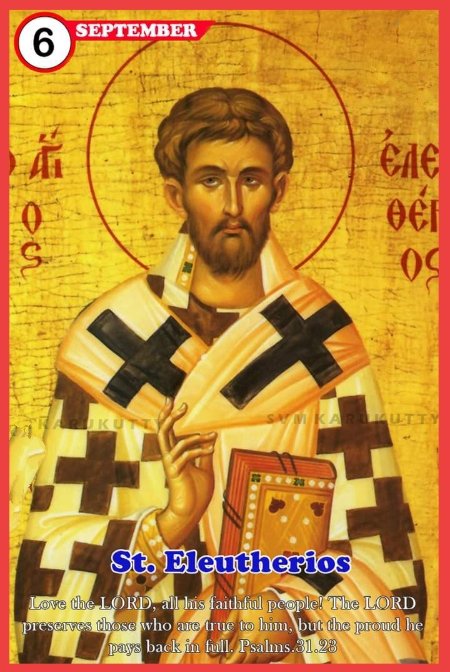
FEAST OF SAINT ELEUTHERIUS THE ABBOT
FEAST DAY – 6th SEPTEMBER
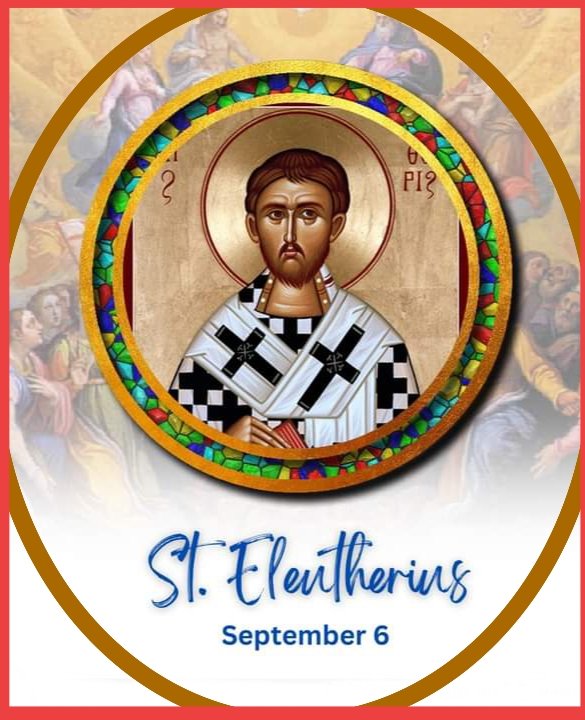
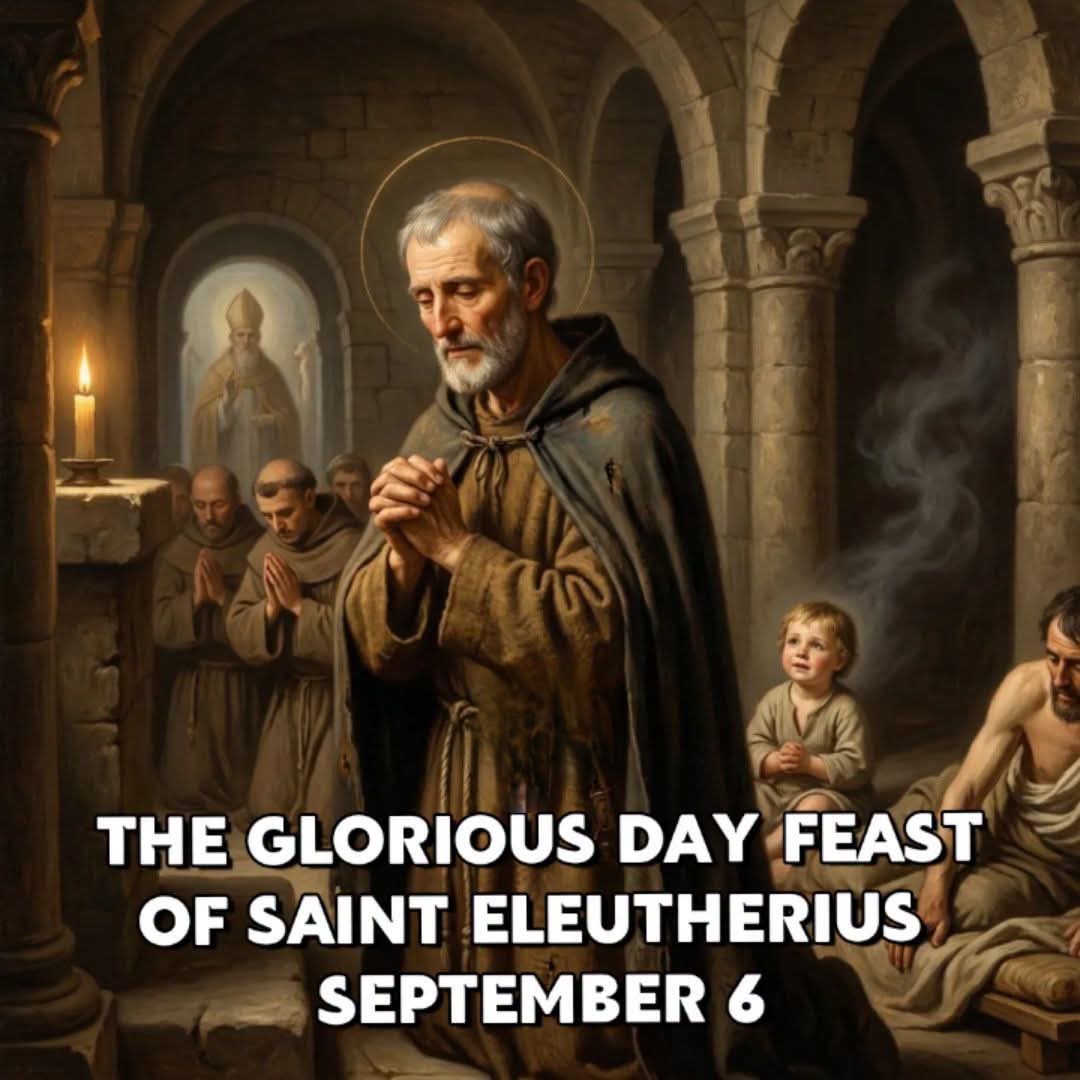
St. Eleutherius (d. 585 A.D.) was a monk living in Spoleto, Italy. Little is known of his early life. He became the Abbot of St. Mark’s Abbey and was well-known as a man of simplicity and penance. A wonderful simplicity and spirit of compunction were the distinguishing virtues of this holy man. He was chosen abbot of St. Mark’s near Spoleto, favored by God with the gift of miracles.
A child who was possessed by the devil, being delivered by being educated in his monastery, the Abbot said one day: “Since the child is among the servants of God, the devil dares not approach him.” These words seemed to savor of vanity, and thereupon the devil again entered and tormented the child.
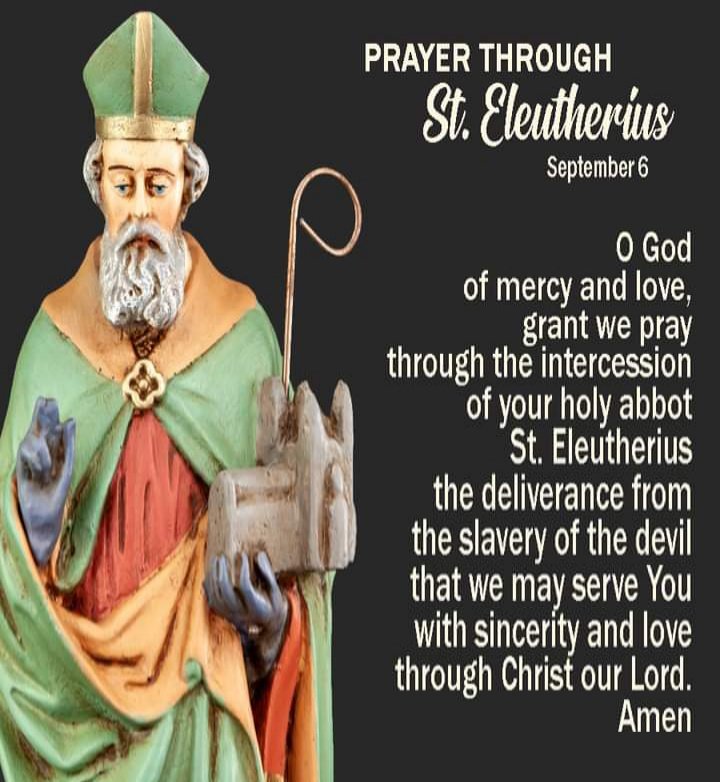
The Abbot humbly confessed his fault, and fasted and prayed with his whole community till the child was again freed from the tyranny of the fiend. St. Gregory, the Great, not being able to fast on Easter-eve on account of extreme weakness, engaged this Saint to go with him to the church of St. Andrew’s and offer up his prayers to God for his health, that he might join the faithful in that solemn practice of penance.
Eleutherius prayed with many tears, and the Pope, coming out of the church, found that he was enabled to perform the fast as he desired. It is also said that St. Eleutherius raised a dead man to life. Resigning his abbacy, he died in St. Andrew’s monastery in Rome in the year 585 A.D. His feast day is September 6th.
CONTEMPLATING THE LIFE OF SAINT ELEUTHERIUS, THE ABBOT

THE SAINT WHO DISCOVERED THE POWER OF HUMILITY
Saint Eleutherius was a sixth-century abbot who led the monastery of Saint Mark near Spoleto in Italy. He was remembered especially for his simplicity of heart, deep repentance and life of prayer. Tradition also records extraordinary miracles associated with his prayers.
A HEART ROOTED IN SIMPLICITY
The holiness of Saint Eleutherius did not rest upon his position as an abbot or upon the extraordinary things attributed to his prayers. His greatest strength was the simplicity of his heart. He sought God sincerely and lived without pretence. His life reminds us that holiness is not about appearing important before others, but about becoming humble and sincere before God.
HUMILITY AFTER A MOMENT OF WEAKNESS
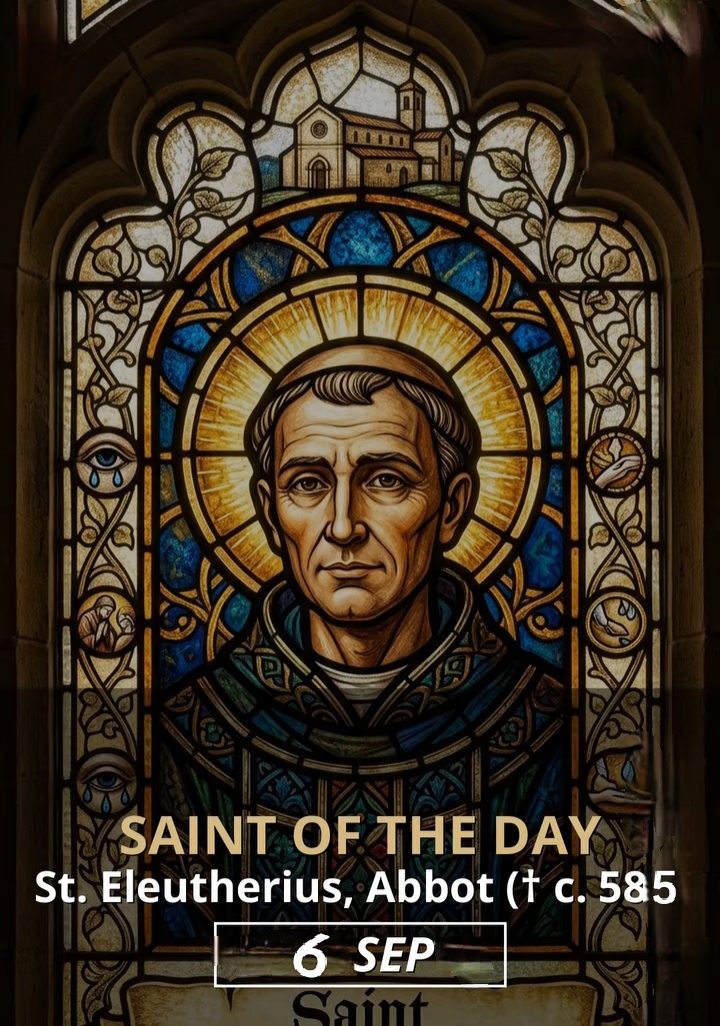
One of the most moving incidents in the life of Saint Eleutherius concerns a child who had been freed from demonic oppression while being cared for at his monastery. Seeing that the child was safe, Eleutherius remarked that the devil would not dare approach him because he was among God’s servants. Soon afterwards, the child was troubled again.
Eleutherius immediately recognized that his words had contained an element of pride. Instead of defending himself, he acknowledged his fault. He fasted and prayed together with his community until the child was delivered once more.
This incident teaches us that even good people must guard against spiritual pride. Saint Eleutherius did not allow embarrassment to prevent repentance. He turned his failure into an opportunity for deeper humility.
PRAYER THAT COMES FROM A HUMBLE HEART
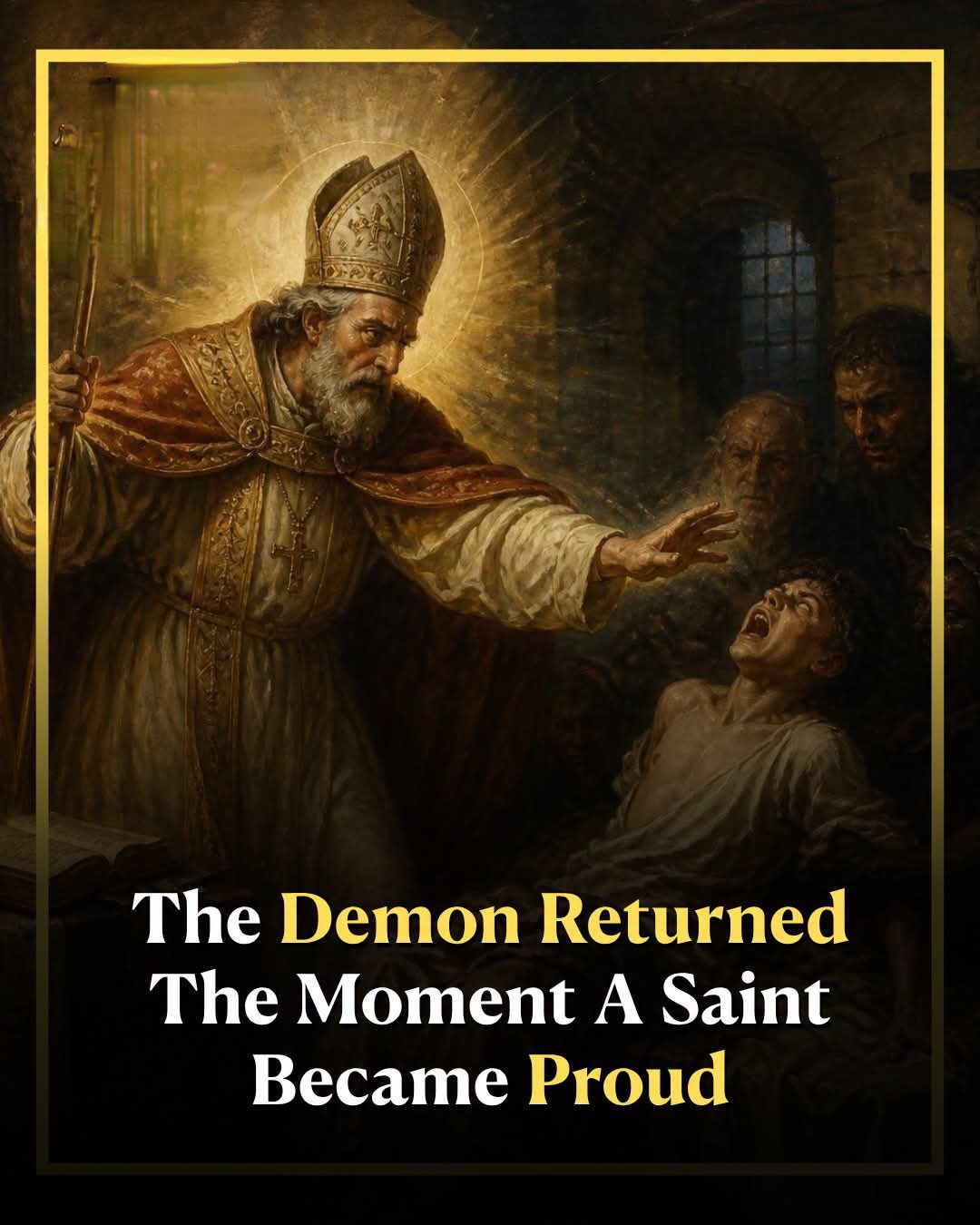
Saint Eleutherius was known for praying with tears and deep compunction. When Pope Saint Gregory the Great was too weak to keep the Easter vigil fast, he asked Eleutherius to pray for him. Eleutherius prayed fervently, and Gregory experienced renewed strength that enabled him to participate in the penitential observance.
His example reminds us that genuine prayer is not merely a repetition of words. It is the humble lifting of the heart to God with trust, surrender and love.
TEARS OF REPENTANCE CAN BECOME TEARS OF GRACE
Saint Eleutherius understood the spiritual value of compunction — sorrow for sin accompanied by a sincere desire to return to God. His tears were not signs of hopelessness. They were expressions of a heart that trusted in God’s mercy.
His life encourages us never to be ashamed of repentance. God does not despise a contrite heart. Instead, He can transform our failures into occasions for grace.
GOD CAN WORK THROUGH THE HUMBLE
Tradition attributes several miracles to Saint Eleutherius, including the raising of a dead man through prayer. Pope Saint Gregory himself praised Eleutherius for his simplicity, penance and humility, recognizing that God could accomplish great things through such a humble servant.
The lesson is not to seek extraordinary experiences, but to remain faithful in ordinary things. God does not need impressive people; He needs willing hearts.
LEADERSHIP THROUGH PRAYER AND EXAMPLE
As abbot, Eleutherius carried responsibility for a community of monks. Yet his leadership was not presented as domination or authority for its own sake. When difficulties arose, he prayed, fasted and involved the whole community in seeking God’s mercy.
His example speaks powerfully to parents, priests, religious superiors, teachers and everyone entrusted with the care of others. True leadership begins with the willingness to kneel before God.
KNOWING WHEN TO LET GO
Saint Eleutherius eventually resigned his position as abbot and spent his final days at the monastery of Saint Andrew in Rome. He died around the year 585.
His departure from office reminds us that no position belongs to us permanently. There comes a time to release responsibilities, step aside and allow others to continue the work. Our identity is not found in titles, accomplishments or authority, but in belonging to Christ.
A LESSON FOR OUR DAILY LIVES
Saint Eleutherius teaches us that humility is more powerful than reputation, repentance is more beautiful than pretending to be perfect, and prayer is stronger than human weakness. His life invites us to examine our own hearts: Do we accept correction? Do we admit our mistakes? Do we pray for others? Can we surrender our achievements and remain small in God’s presence?
His story encourages us to seek not recognition but holiness, not power but service, and not praise from people but the approval of God.
PRAYER
O God of great Compassion, infinite in Mercy and Love, grant that through the intercession of your holy abbot Saint Eleutherius, we may be protected and delivered from the slavery of the evil one.
We pray that we may serve You with sincerity and love and consecrate our lives to you, through Jesus Christ our Lord. Amen
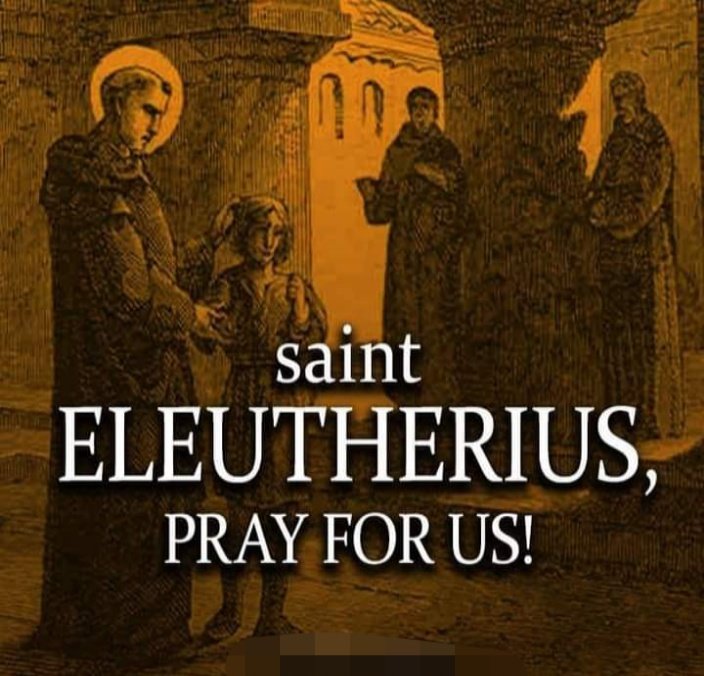
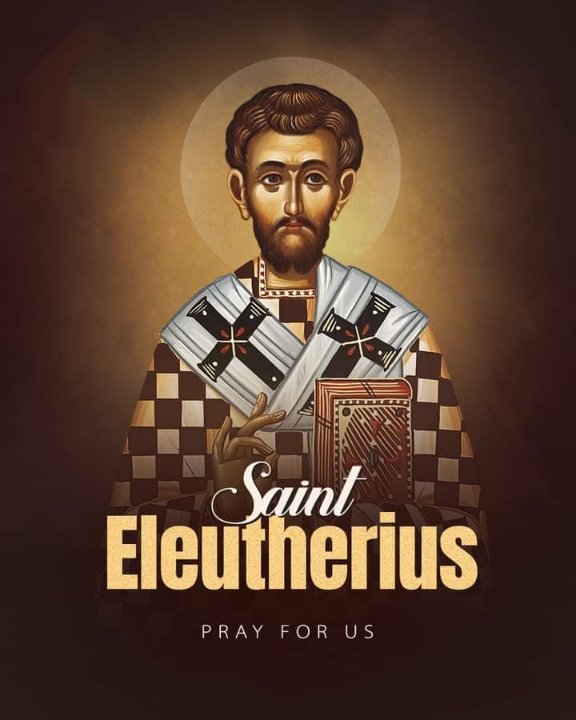
Saint Eleutherius, pray for us.