
FIRST FRIDAY DEVOTION TO THE SACRED HEART OF JESUS
July 3, 2026
SPIRITUAL INSIGHTS INTO THE LIFE OF ST. THOMAS THE APOSTLE
July 3, 2026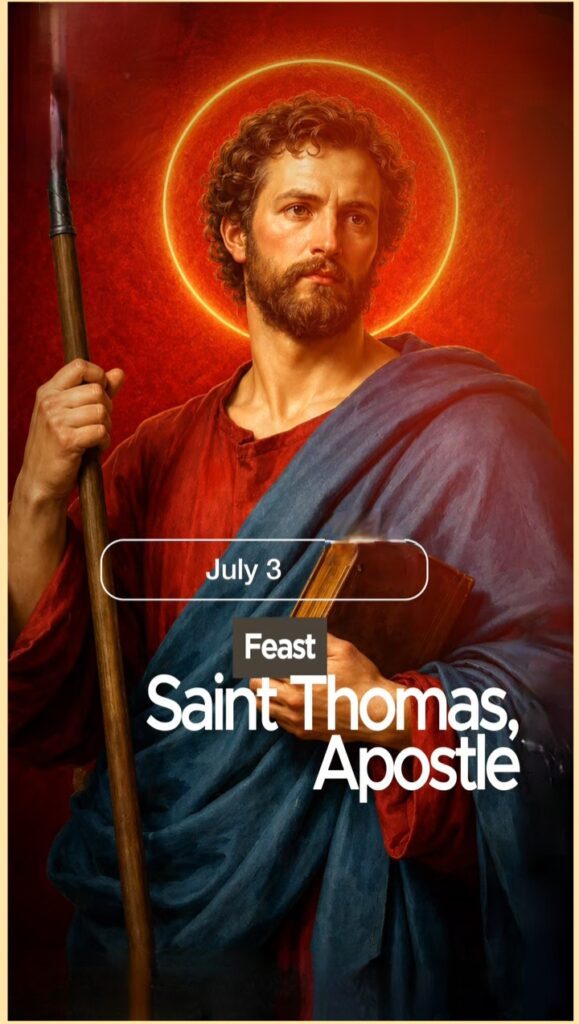
FEAST OF SAINT THOMAS, APOSTLE AND MARTYR
FEAST DAY – 3rd JULY
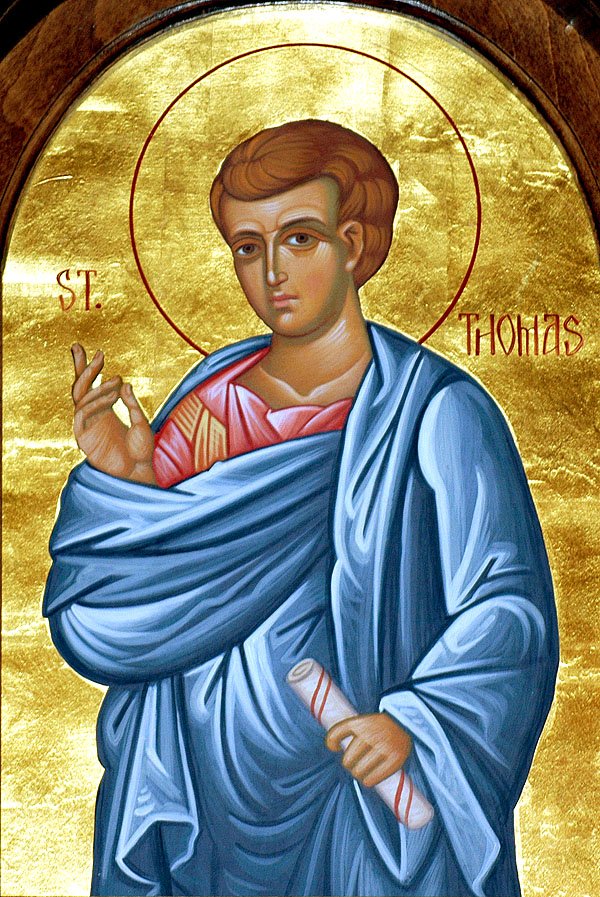
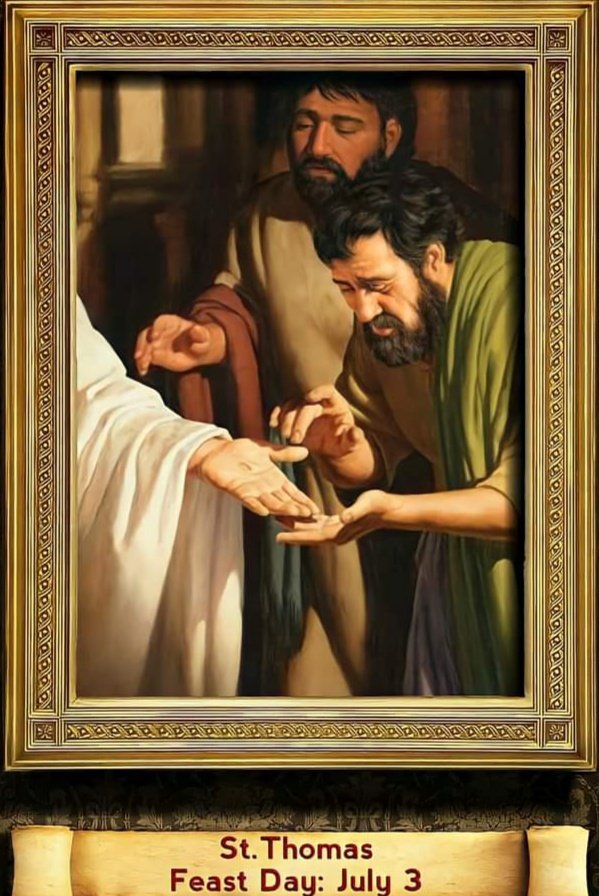
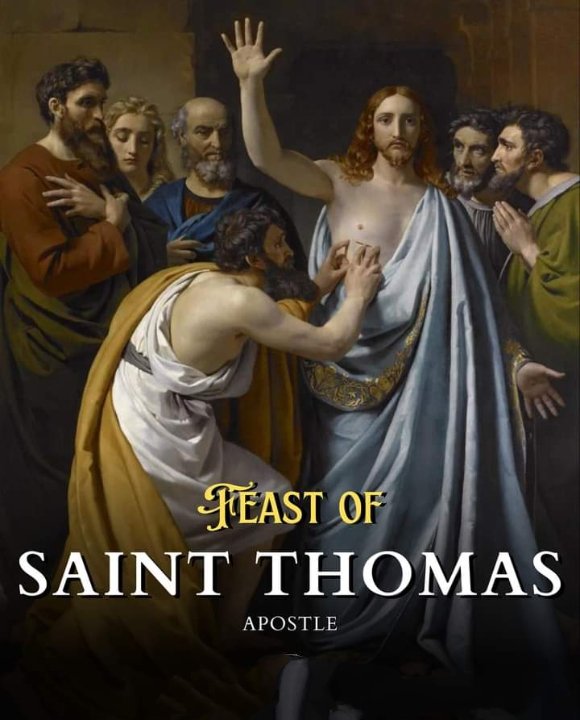
Thomas the Apostle, also known as Didymus (“twin”), was one of the Twelve Apostles of Jesus according to the New Testament. Thomas is commonly known as “Doubting Thomas” because he initially doubted the resurrection of Jesus Christ when he was told of it (as is related in the Gospel of John alone); he later confessed his faith (“My Lord and my God”) on seeing the wounds left over from the crucifixion.
According to traditional accounts of the Saint Thomas Christians of modern-day Kerala in India, Thomas travelled outside the Roman Empire to preach the Gospel, travelling as far as the Tamilakam which is in South India, and reached Muziris of Tamilakam (modern-day North Paravur and Kodungalloor in Kerala State, India) in AD 52.
In 1258, some of the relics were brought to Ortona, in Abruzzo, Italy, where they have been held in the Church of Saint Thomas the Apostle. He is regarded as the patron saint of India among its Christian adherents.
The Feast of Saint Thomas on July 3 is celebrated as Indian Christians’ Day. The name Thomas remains quite popular among the Saint Thomas Christians of the Indian subcontinent. Thomas first speaks in the Gospel of John. In John 11:16, when Lazarus has recently died, and the apostles do not wish to go back to Judea, Thomas says: “Let us also go, that we may die with him.”
Thomas speaks again in John 14:5. There, Jesus had just explained that he was going away to prepare a heavenly home for his followers, and that one day they would join him there. Thomas reacted by saying, “Lord, we know not whither thou goest; and how can we know the way?”
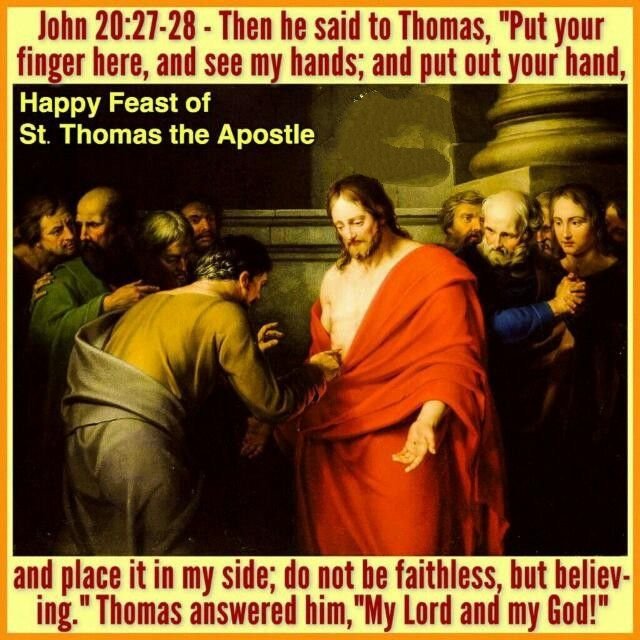
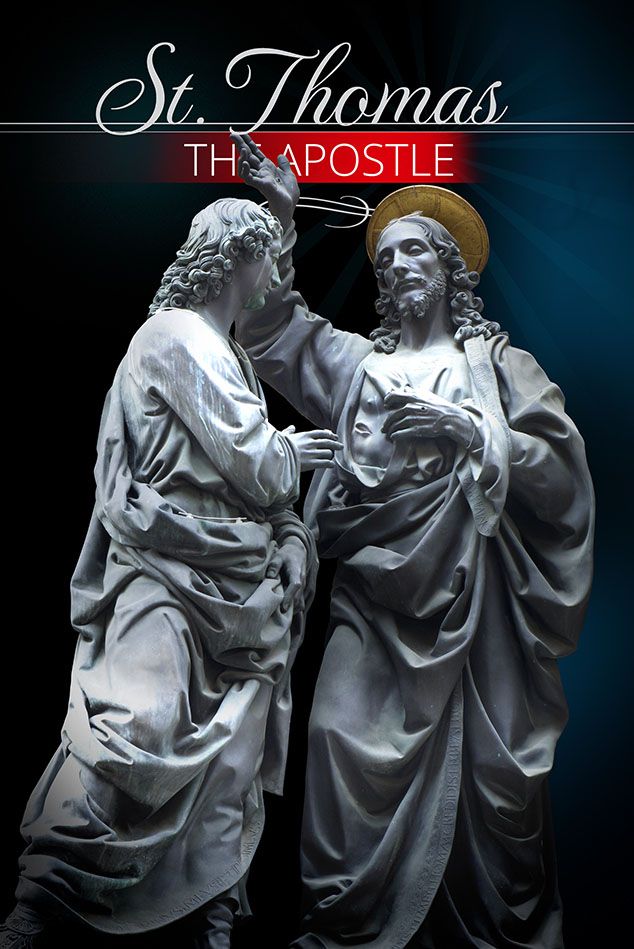
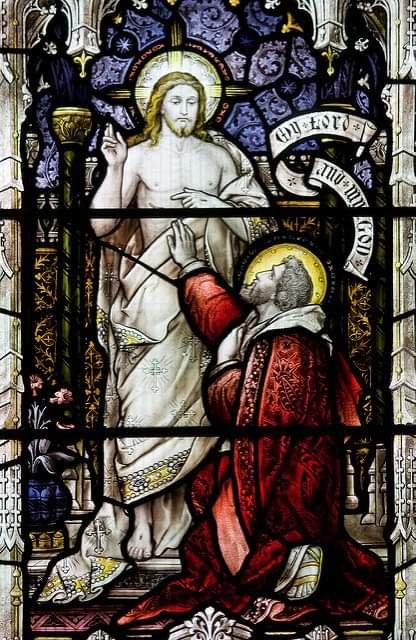
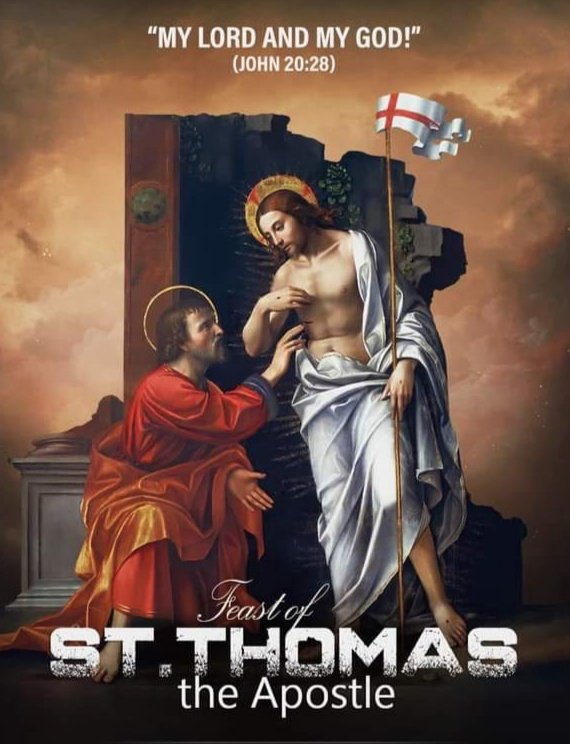
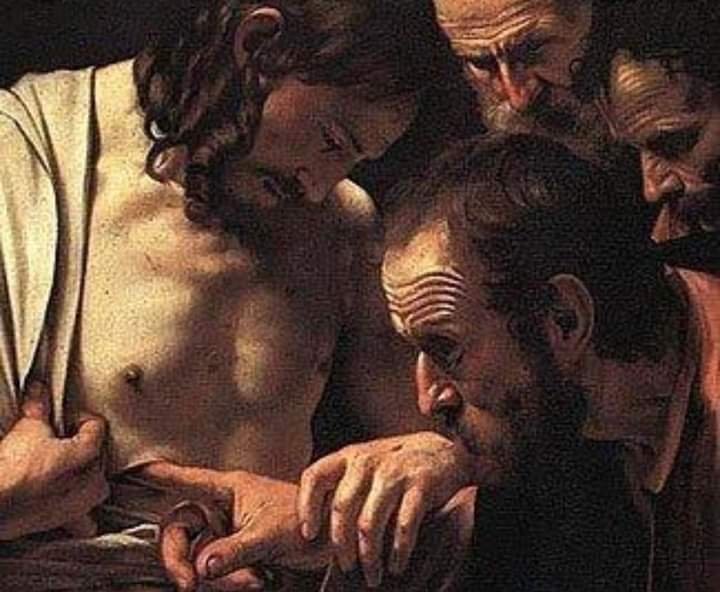
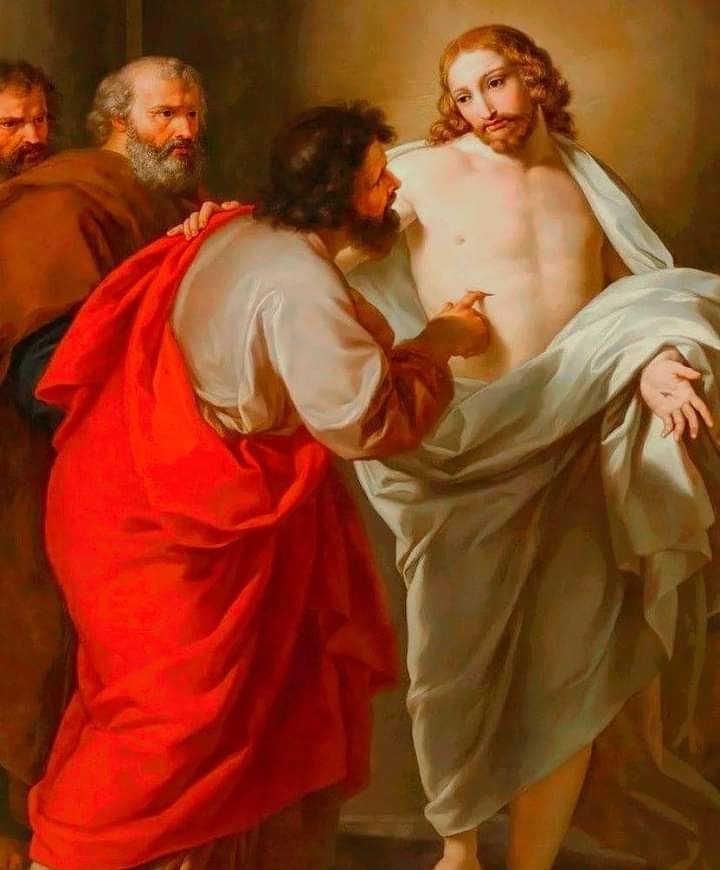
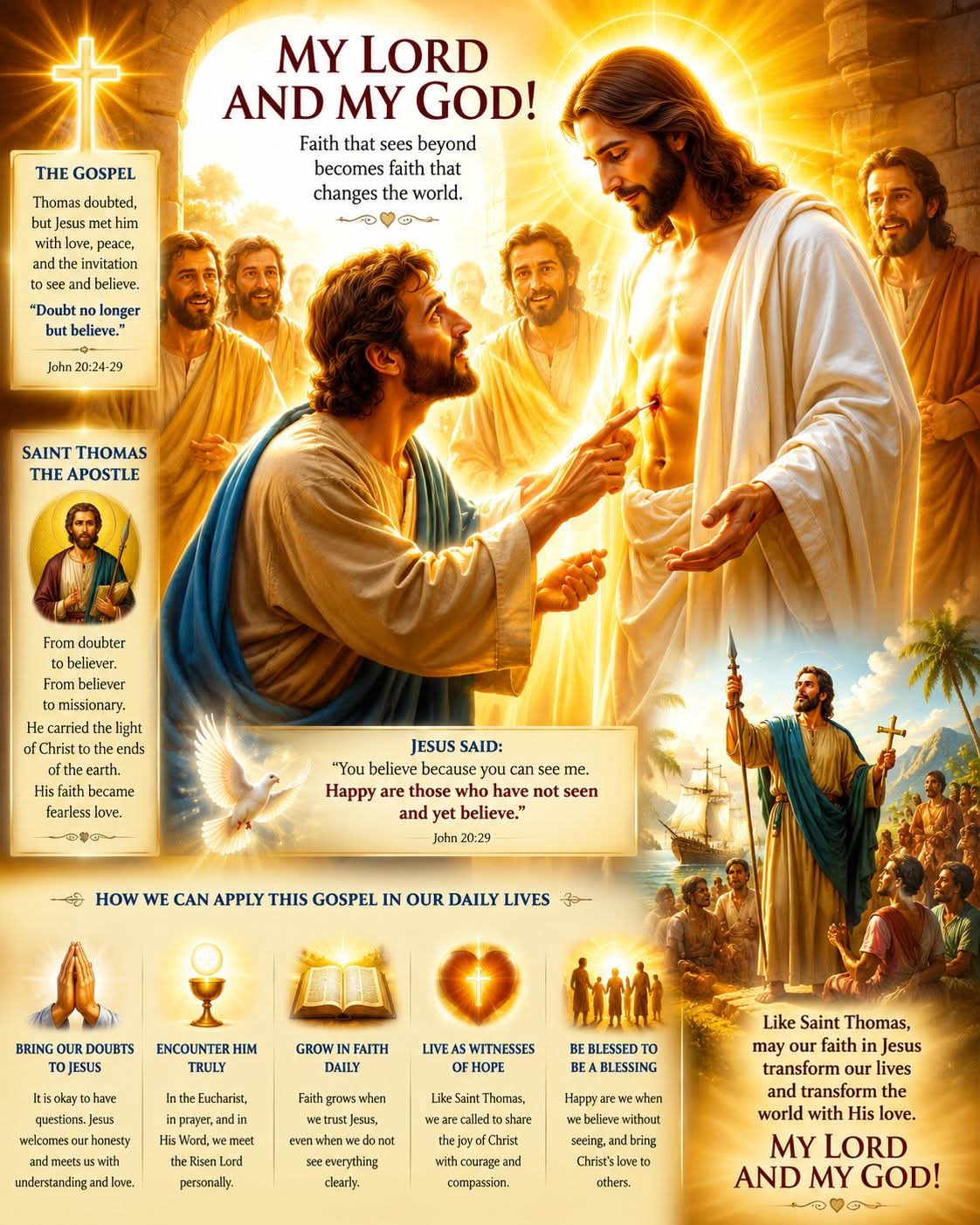
John 20:24–29 tells how doubting Thomas was skeptical at first when he heard that Jesus had risen from the dead and appeared to the other apostles, saying, “Except I shall see on his hands the print of the nails, and put my finger into the print of the nails, and thrust my hand into his side, I will not believe.” But when Jesus appeared later and invited Thomas to touch his wounds and behold him, Thomas showed his belief by saying, “My Lord and my God”.

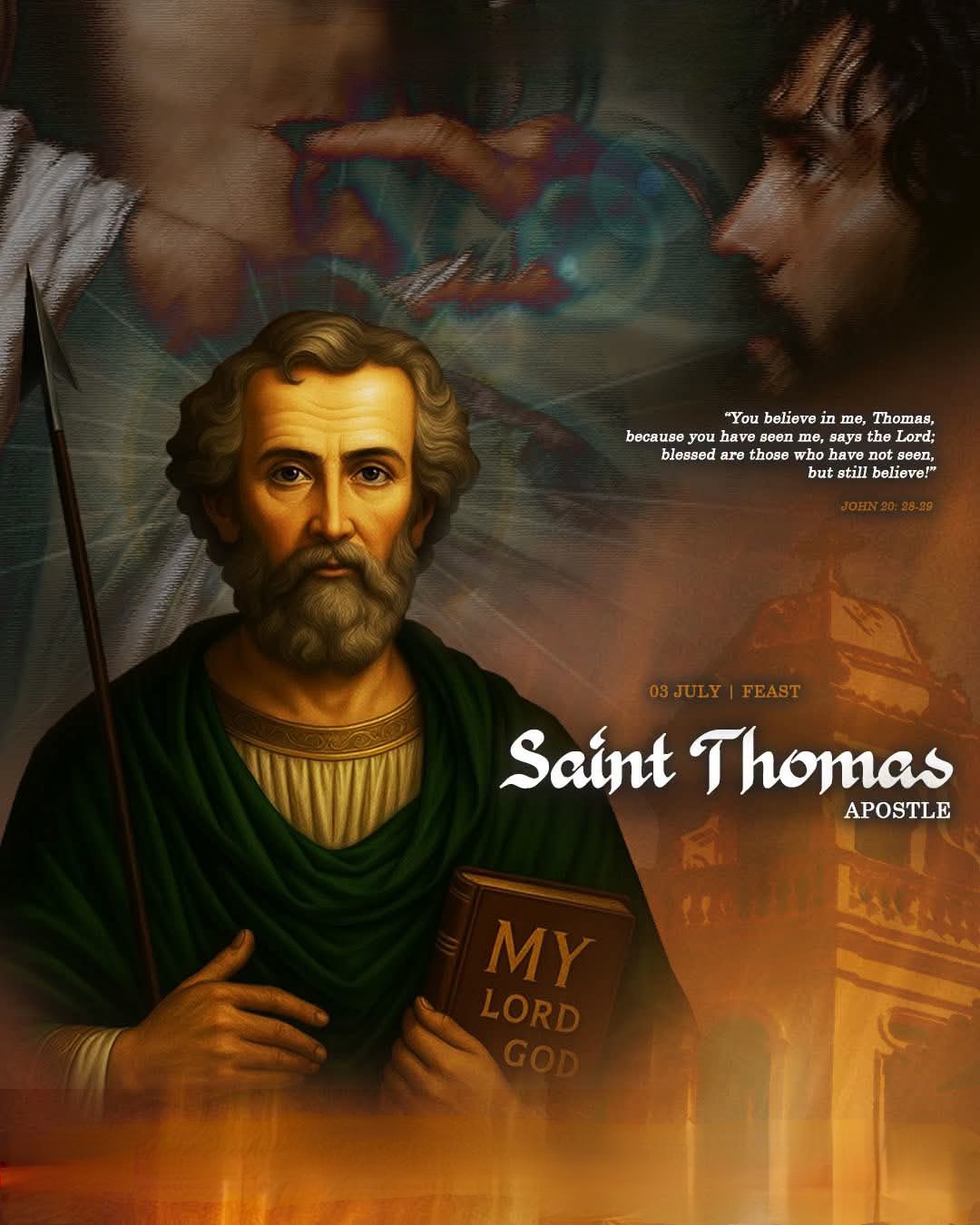
Jesus then said, “Thomas, because thou hast seen me, thou hast believed: blessed [are] they that have not seen, and [yet] have believed.”
When the feast of Saint Thomas was inserted in the Roman calendar in the 9th century, it was assigned to 21 December. The Martyrology of St. Jerome mentioned the apostle on 3 July, the date to which the Roman celebration was transferred in 1969, so that it would no longer interfere with the major ferial days of Advent.

Traditionalist Roman Catholics (who follow the General Roman Calendar of 1960 or earlier) and many Anglicans (including members of the Episcopal Church as well as members of the Church of England and the Lutheran Church, who worship according to the 1662 edition of the Book of Common Prayer), still celebrate his feast day on 21 December. However, most modern liturgical calendars prefer 3 July. Thomas is remembered in the Church of England with a Festival.
The Eastern Orthodox and Byzantine Catholic churches celebrate his feast day on 6 October (for those churches which follow the traditional Julian calendar, 6 October currently falls on 19 October of the modern Gregorian calendar). In addition, the next Sunday of the Easter (Pascha) is celebrated as the Sunday of Thomas, in commemoration of Thomas’ question to Jesus, which led him to proclaim, according to Orthodox teaching, two natures of Jesus, both human and divine.
Thomas is commemorated in common with all of the other apostles on 30 June, in a feast called the Synaxis of the Holy Apostles. He is also associated with the “Arabian” (or “Arapet”) icon of the Theotokos (Mother of God), which is commemorated on 6 September (19 September). The Malankara Orthodox church celebrates his feast on three days, 3 July (in memory of the relic translation to Edessa), 18 December (the Day he was lanced), and 21 December (when he died).
The Passing of Mary, adjudged heretical by Pope Gelasius I in 494, was attributed to Joseph of Arimathea. The document states that Thomas was the only witness of the Assumption of Mary into heaven.

The other apostles were miraculously transported to Jerusalem to witness her death. Thomas was left in India, but after her first burial, he was transported to her tomb.
Here he witnessed her bodily assumption into heaven, from which she dropped her girdle. In an inversion of the story of Thomas’ doubts, the other apostles are skeptical of Thomas’ story until they see the empty tomb and the girdle. Thomas’ receipt of the girdle is commonly depicted in medieval and pre-Council of Trent Renaissance art.
According to Eusebius’ record, Thomas and Bartholomew were assigned to Parthia and India. The Didascalia (dating from the end of the 3rd century) states, “India and all countries condering it, even to the farthest seas… received the apostolic ordinances from Judas Thomas, who was a guide and ruler in the church which he built.”
Thomas is believed to have left northwest India when an attack was threatened and traveled by vessel to the Malabar Coast, possibly visiting southeast Arabia and Socotra en route, and landing at the former flourishing port of Muziris (modern-day North Paravur and Kodungalloor) (c. AD 50) in the company of a Jewish merchant Abbanes/Habban (Schonfield, 1984,125).
From there he is said to have preached the gospel throughout the Malabar coast. The various churches he founded were located mainly on the Periyar River and its tributaries and along the coast, where there were Jewish colonies.

In accordance with apostolic custom, Thomas ordained teachers and leaders who were reported to be the earliest ministry of the Malankara Church.
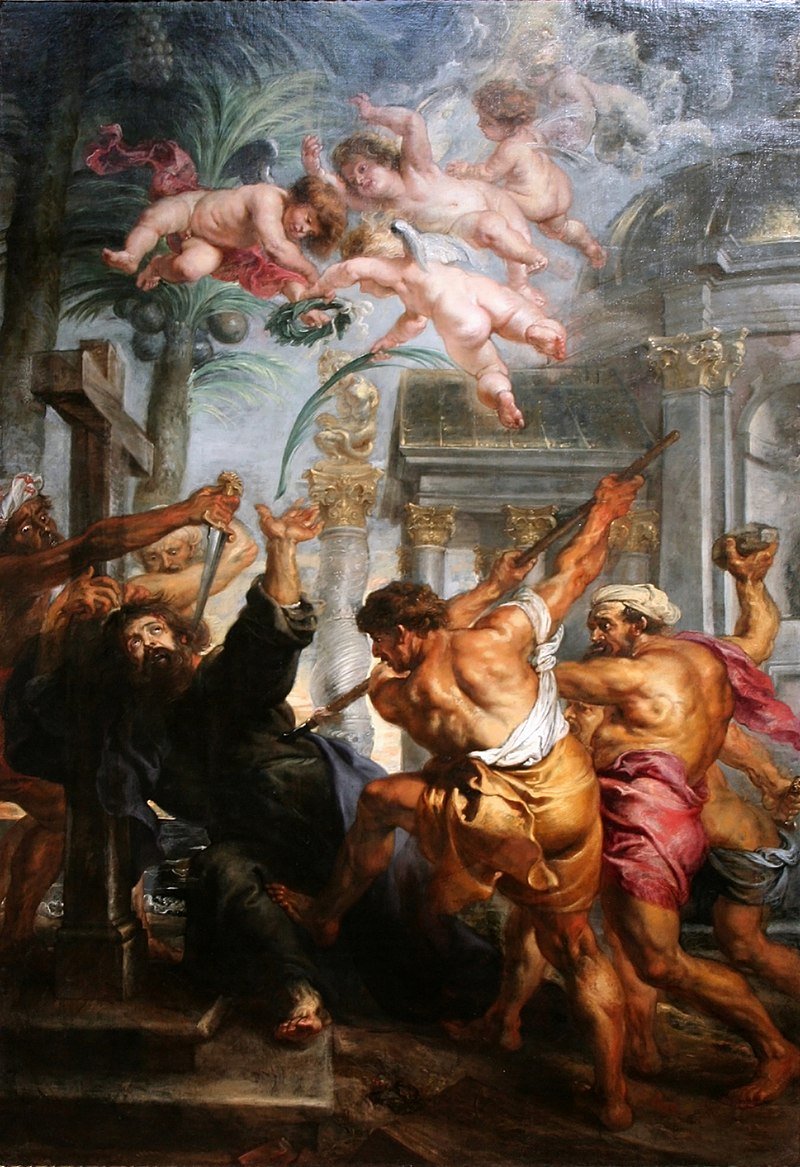
According to Syrian Christian tradition, Thomas was killed with a spear at St. Thomas Mount in Chennai on 3 July in AD 72, and his body was interred in Mylapore. Ephrem the Syrian states that the Apostle was killed in India, and that his relics were taken then to Edessa. This is the earliest known record of his death.
The records of Barbosa from the early 16th century record that the tomb was then maintained by a Muslim who kept a lamp burning there. The St. Thomas Cathedral Basilica, Chennai, Tamil Nadu, India, presently located at the tomb was first built in the 16th century by the Portuguese, and rebuilt in the 19th century by the British. St. Thomas Mount has been a revered site by Muslims and Christians since at least the 16th century.
Traditional accounts say that the Apostle Thomas preached not only in Kerala but also in other parts of Southern India – and a few relics are still kept at San Thome Basilica in Mylapore neighborhood in the central part of the city of Chennai in India.
Marco Polo, the Venetian traveller and author of Description of the World, popularly known as Il Milione, is reputed to have visited Southern India in 1288 and 1292.
The first date has been rejected as he was in China at the time, but the second date is generally accepted. According to tradition, in AD 232, the greater portion of relics of the Apostle Thomas are said to have been sent by an Indian king and brought from Mylapore to the city of Edessa, Mesopotamia, on which occasion his Syriac Acts were written.
The Indian king is named as “Mazdai” in Syriac sources, “Misdeos” and “Misdeus” in Greek and Latin sources respectively, which has been connected to the “Bazdeo” on the Kushan coinage of Vasudeva I, the transition between “M” and “B” being a current one in Classical sources for Indian names. The martyrologist Rabban Sliba dedicated a special day to both the Indian king, his family, and St Thomas:
Coronatio Thomae apostoli et Misdeus rex Indiae, Johannes eus filius huisque mater Tertia (Coronation of Thomas the Apostle, and Misdeus king of India, together with his son Johannes (thought to be a latinization of Vizan) and his mother Tertia) Rabban Sliba
— Bussagli 1965, p. 255
In the 4th century, the martyrium erected over his burial place brought pilgrims to Edessa. In the 380s, Egeria described her visit in a letter she sent to her community of nuns at home (Itineraria Egeriae):
We arrived at Edessa in the Name of Christ our God, and, on our arrival, we straightway repaired to the church and memorial of saint Thomas. There, according to custom, prayers were made and the other things that were customary in the holy places were done; we read also some things concerning saint Thomas himself.
The church there is very great, very beautiful and of new construction, well worthy to be the house of God, and as there was much that I desired to see, it was necessary for me to make a three days’ stay there. According to Theodoret of Cyrrhus, the bones of Saint Thomas were transferred by Cyrus I, Bishop of Edessa, from the martyrium outside of Edessa to a church in the south-west corner of the city on 22 August 394.
In 441, the Magister militum per Orientem Anatolius donated a silver coffin to hold the relics. In AD 522, Cosmas Indicopleustes (called the Alexandrian) visited the Malabar Coast. He is the first traveller who mentions Syrian Christians in Malabar, in his book Christian Topography.
He mentions that in the town of “Kalliana” (Quilon or Kollam) there was a bishop who had been consecrated in Persia. In 1144, the city was conquered by the Zengids and the shrine destroyed.
Accounts of Thomas’ missionary activities are unreliable, but the most widely accepted report holds that he preached in India, although he was reluctant to start the mission. According to the Acta Thomae, the apostles divided up the world for their missionary labors, and India fell to Thomas. However, Thomas claimed that he was not healthy enough and that a Hebrew could not teach Indians; even a vision of Christ could not change his mind.
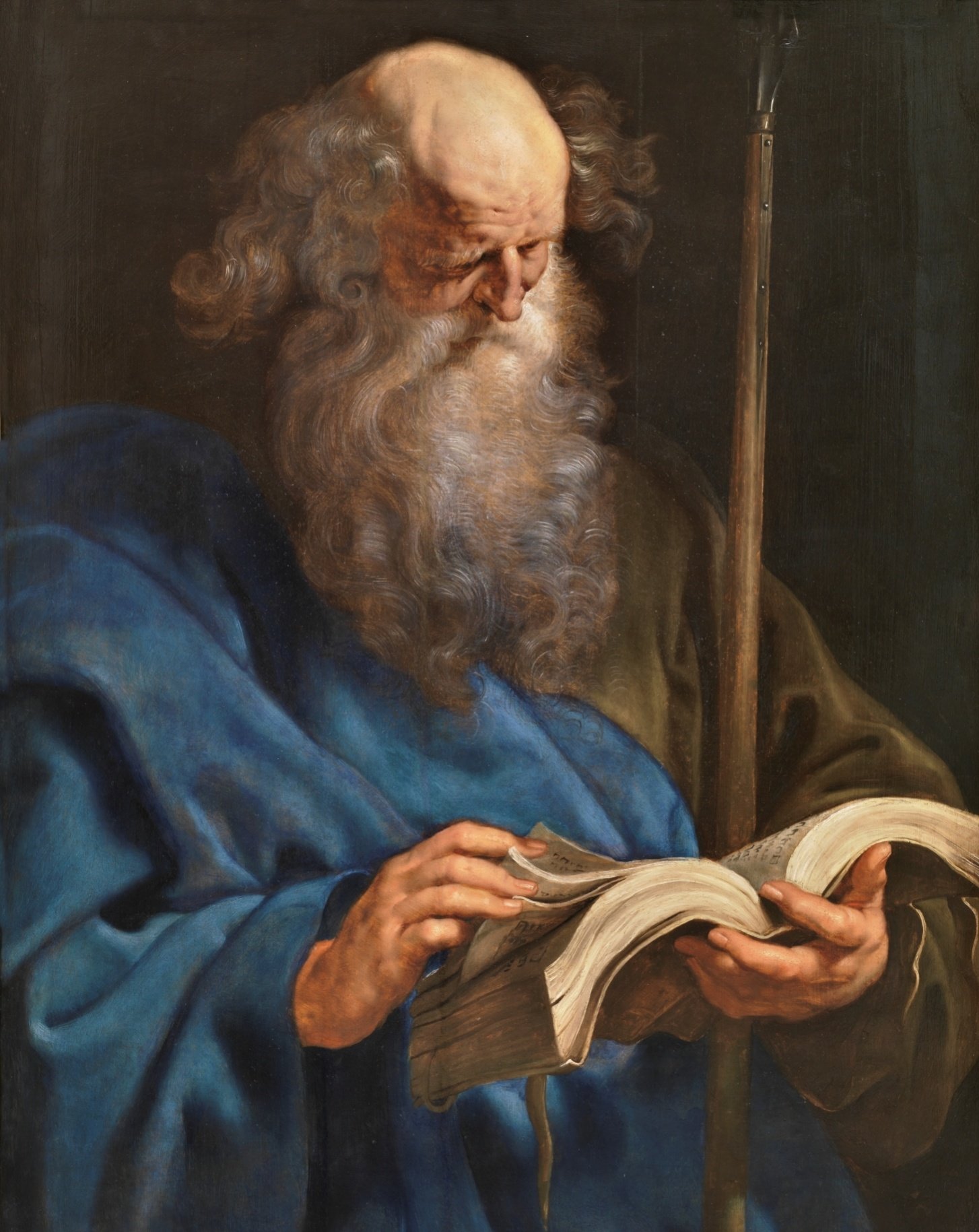
Christ then appeared to a merchant and sold Thomas to him as a slave for his master, a king who ruled over part of India. One story suggests that Thomas offered to build a palace for the Indian king that would last forever. The king gave him money, which Thomas gave to the poor. Asked to show his progress, St. Thomas explained that the palace he was building was in heaven, not on earth.
Ultimately, after giving into God’s will, Thomas was freed from slavery. He planted seeds for the new Church, forming many parishes and building many churches along the way. To this day, Saint Thomas is venerated as the Apostle of India. In fact, there exists a population of Christians along the Malabar Coast, on the western coast of India, who lay claim to conversion by St. Thomas.
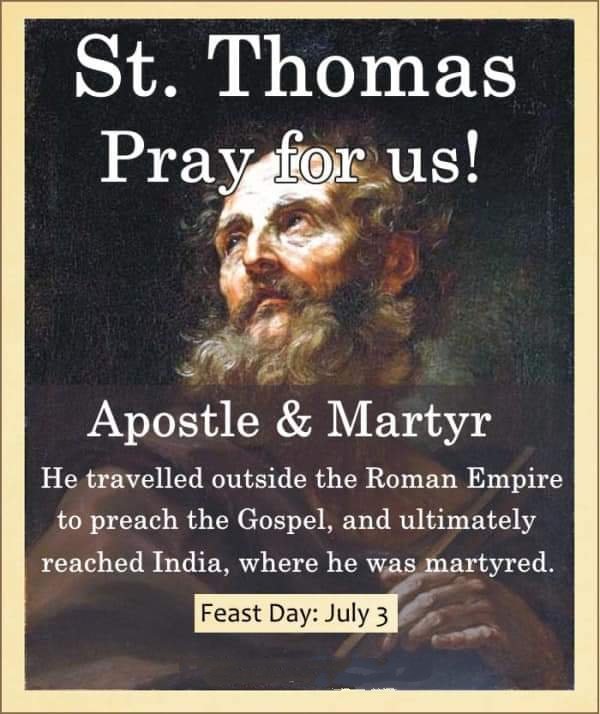
Their tradition holds that he built seven churches, was martyred during prayer by a spearing on the “Big Hill” near Madras, and was buried in Mylapore, on the east coast of India. Ultimately, St. Thomas’ remains were transported to Ortona, Italy, where they reside today.
CONTEMPLATING THE LIFE OF SAINT THOMAS THE APOSTLE
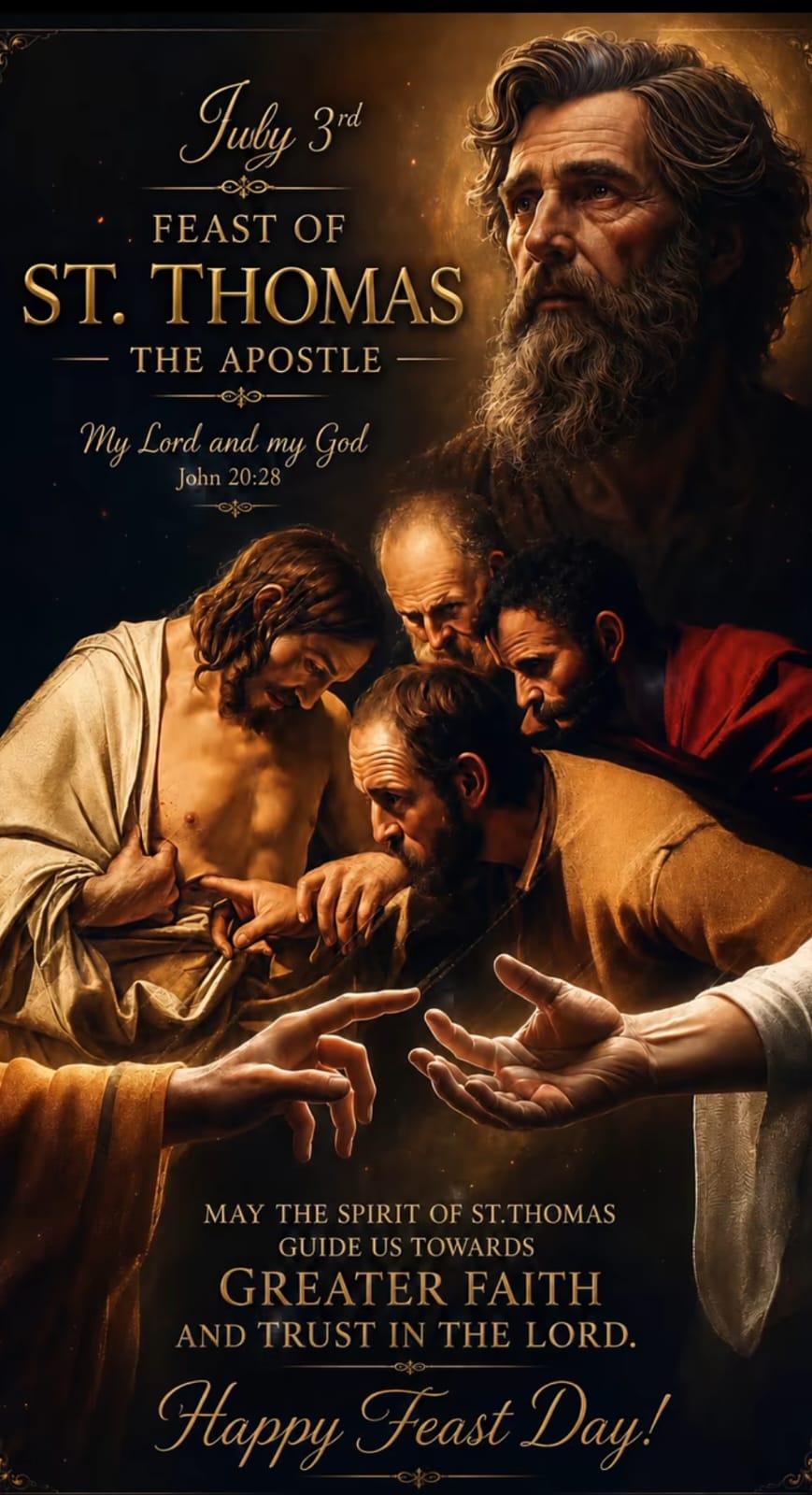
APOSTLE OF INDIA, APOSTLE OF FAITH, AND MARTYR FOR CHRIST
Saint Thomas the Apostle, often remembered as “Doubting Thomas,” was one of the Twelve Apostles chosen by Jesus Christ. Though he struggled with doubt, he became one of Christianity’s greatest missionaries, carrying the Gospel farther east than any other Apostle according to ancient Christian tradition.
For Christians in India, especially the ancient St. Thomas Christian communities of Kerala, he is honored as the Apostle of India who first brought the Gospel to the Indian subcontinent. His feast is celebrated on July 3.
FROM DOUBT TO DEVOTION
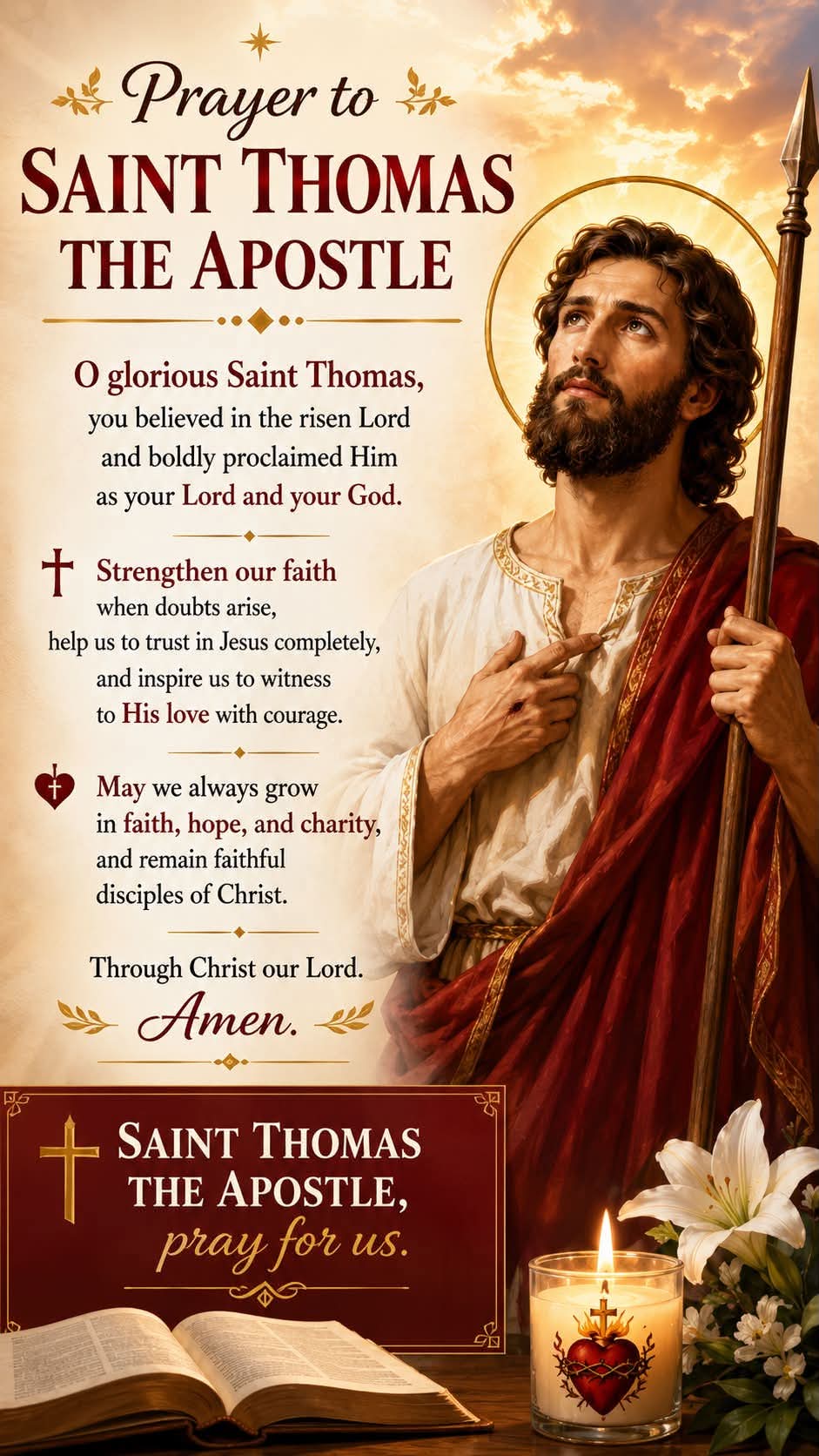
Thomas was a disciple who sought truth with sincerity. He was not afraid to ask questions, and his honest search for understanding prepared him for a deep and enduring faith. God transformed his doubts into unwavering belief.
A LOYAL DISCIPLE
When Jesus decided to return to Judea after the death of Lazarus, the disciples feared for His life. Thomas courageously declared, “Let us also go, that we may die with Him.” His words revealed his loyalty and willingness to remain with Christ, even in danger.
THE WAY, THE TRUTH, AND THE LIFE
At the Last Supper, Thomas asked Jesus how the disciples could know the way. In response, Jesus gave one of His greatest teachings: “I am the Way, the Truth, and the Life.” Thomas’s sincere question became a blessing for all believers.
FROM DOUBT TO FAITH
After the Resurrection, Thomas was absent when Jesus first appeared to the Apostles. Unable to believe their testimony, he desired to see the wounds of Christ for himself. Eight days later, Jesus appeared again and invited Thomas to touch His wounds. Filled with faith, Thomas proclaimed, “My Lord and my God!” This remains one of the greatest professions of faith in the New Testament.
MISSION TO THE EAST
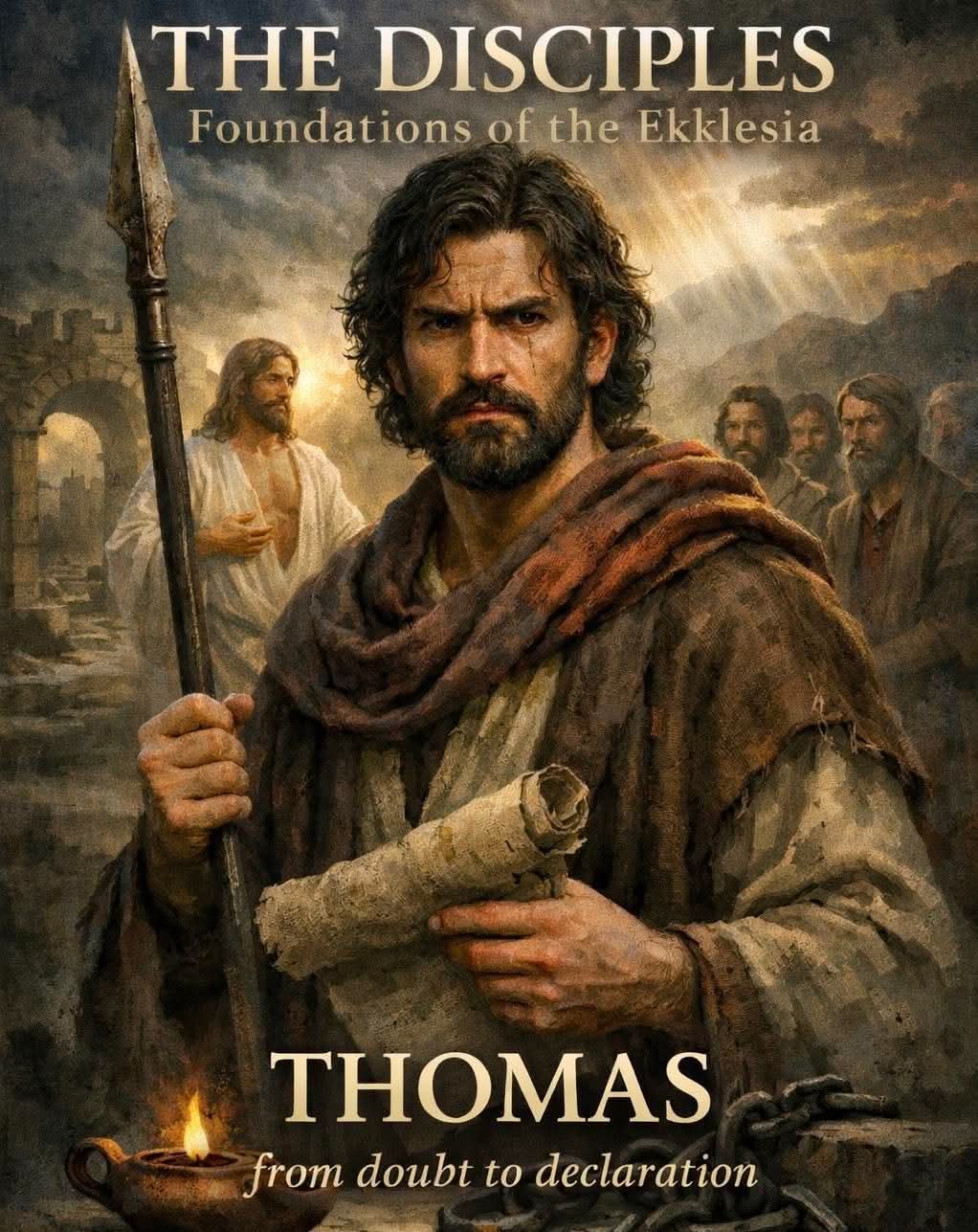
After Pentecost, Thomas became a fearless missionary. According to ancient Christian tradition, he traveled through Mesopotamia, Persia, and other eastern regions before reaching India. He preached the Gospel, baptized converts, celebrated the Eucharist, and established Christian communities wherever he went.
THE APOSTLE OF INDIA
Tradition holds that Thomas arrived on the Malabar Coast of Kerala around A.D. 52, landing at the ancient port of Muziris (Kodungallur). He preached among Jewish settlers, local people, and merchants, and is credited with founding the famous seven and a half churches of Kerala. The ancient St. Thomas Christians continue to honor him as their spiritual father and preserve the heritage of his mission.
MISSION IN SOUTH INDIA
Thomas later traveled to the southeastern coast of India, in present-day Tamil Nadu, where he continued preaching, baptizing, and establishing Christian communities despite growing opposition.
HIS MARTYRDOM
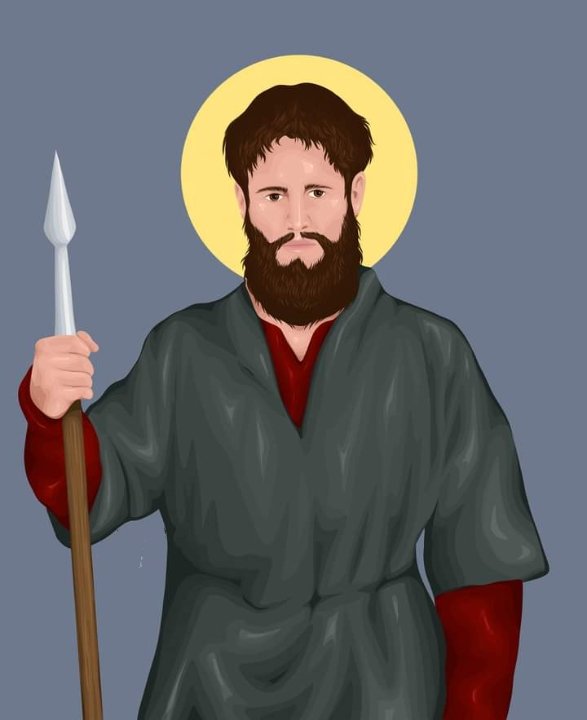
According to long-standing tradition, Thomas was martyred around A.D. 72 at St. Thomas Mount near present-day Chennai. He was pierced with a spear while praying, making the spear his principal symbol in Christian art. His tomb is traditionally venerated at the San Thome Basilica in Chennai, one of the few churches believed to stand over the tomb of an Apostle.
THE ST. THOMAS CHRISTIANS
The ancient Christian communities of Kerala, known as the St. Thomas Christians or Nasranis, trace their origins to the preaching of St. Thomas. They have preserved a rich spiritual and liturgical heritage and remain a living witness to the ancient roots of Christianity in India.
HIS SPIRITUALITY
Thomas teaches that sincere questions can lead to deeper faith when placed before Christ. His courage, missionary zeal, perseverance through trials, and complete love for Jesus continue to inspire believers. His confession, “My Lord and my God,” expresses total surrender to the Risen Lord.
SYMBOLS OF ST. THOMAS
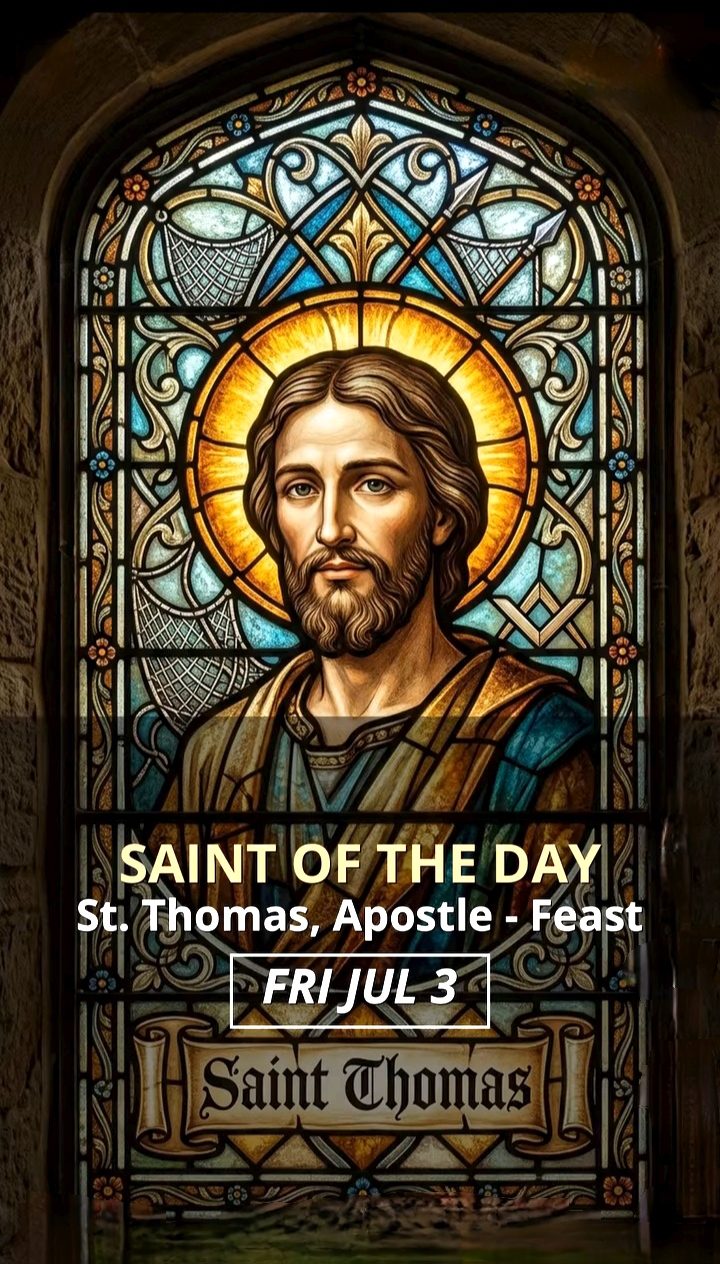
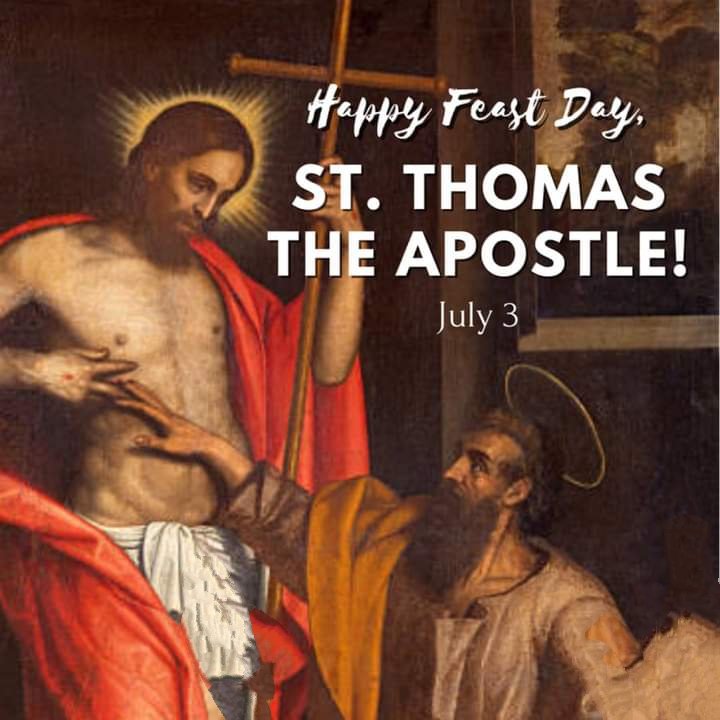
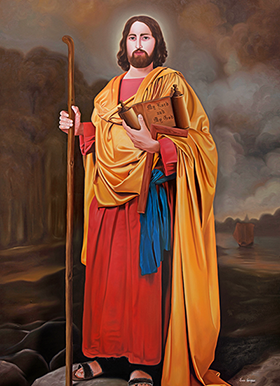
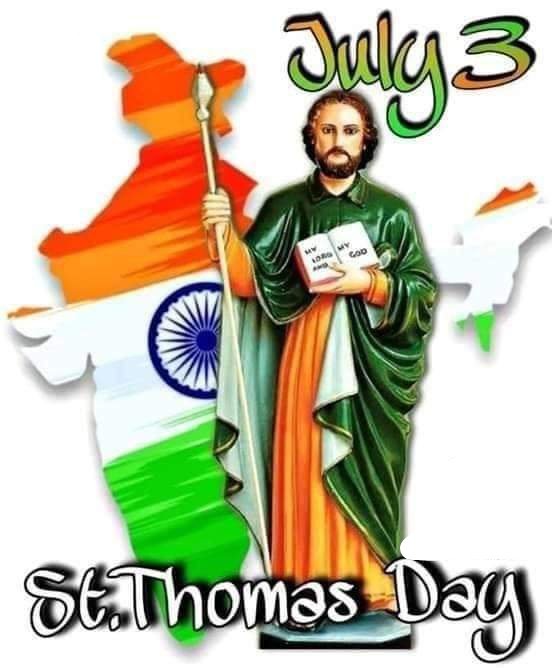
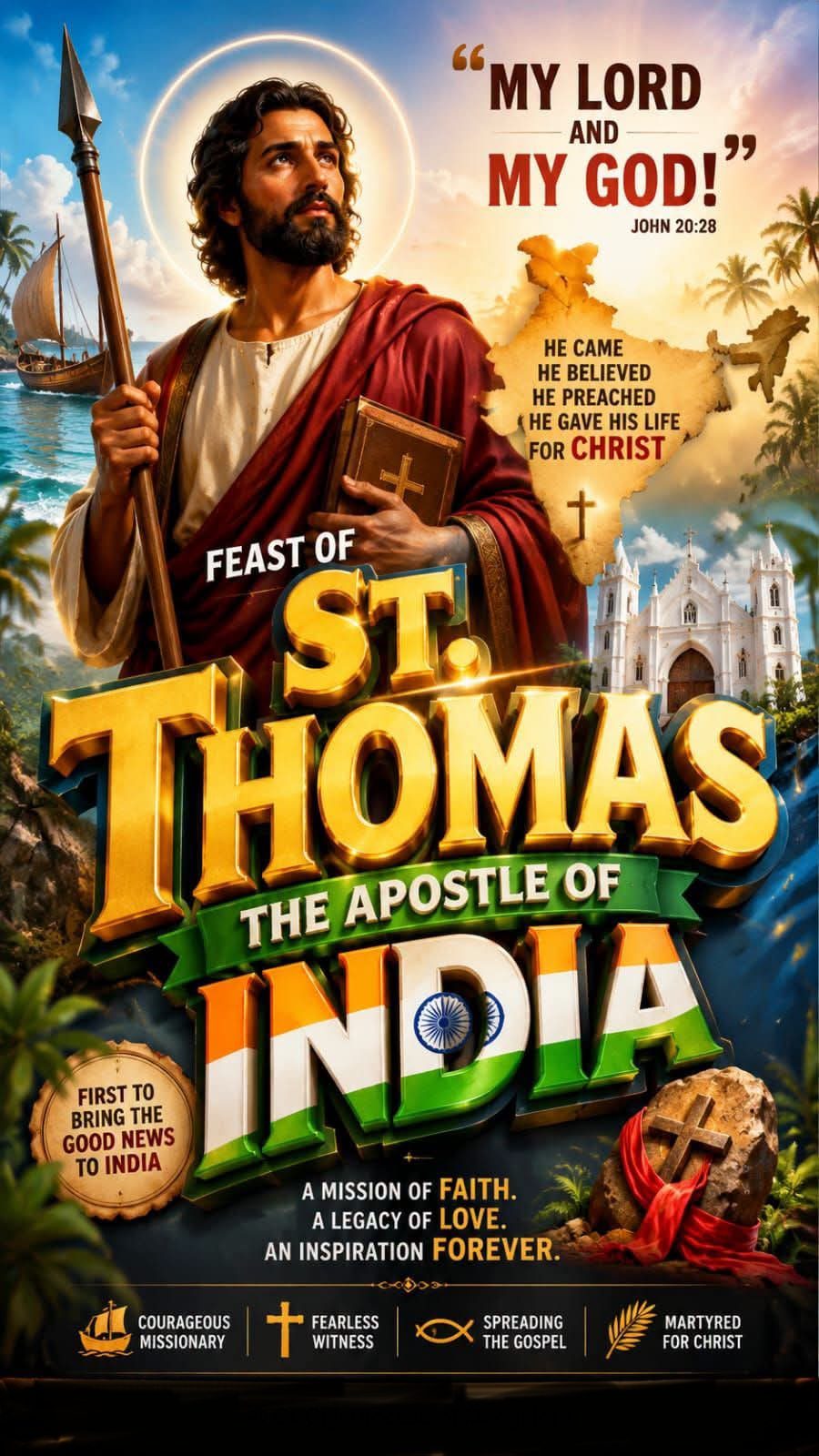
Saint Thomas is commonly depicted with a spear, symbolizing his martyrdom; a builder’s square, representing traditions that he built churches; a scroll or book, symbolizing his preaching; and sometimes touching the side of the risen Christ.
LESSONS FROM HIS LIFE
The life of St. Thomas reminds us that honest doubts can lead to stronger faith, that God can transform uncertainty into courageous witness, and that the Gospel is meant for every nation and culture. His example teaches the value of perseverance, missionary commitment, and a personal encounter with the Risen Christ.
HIS LASTING LEGACY
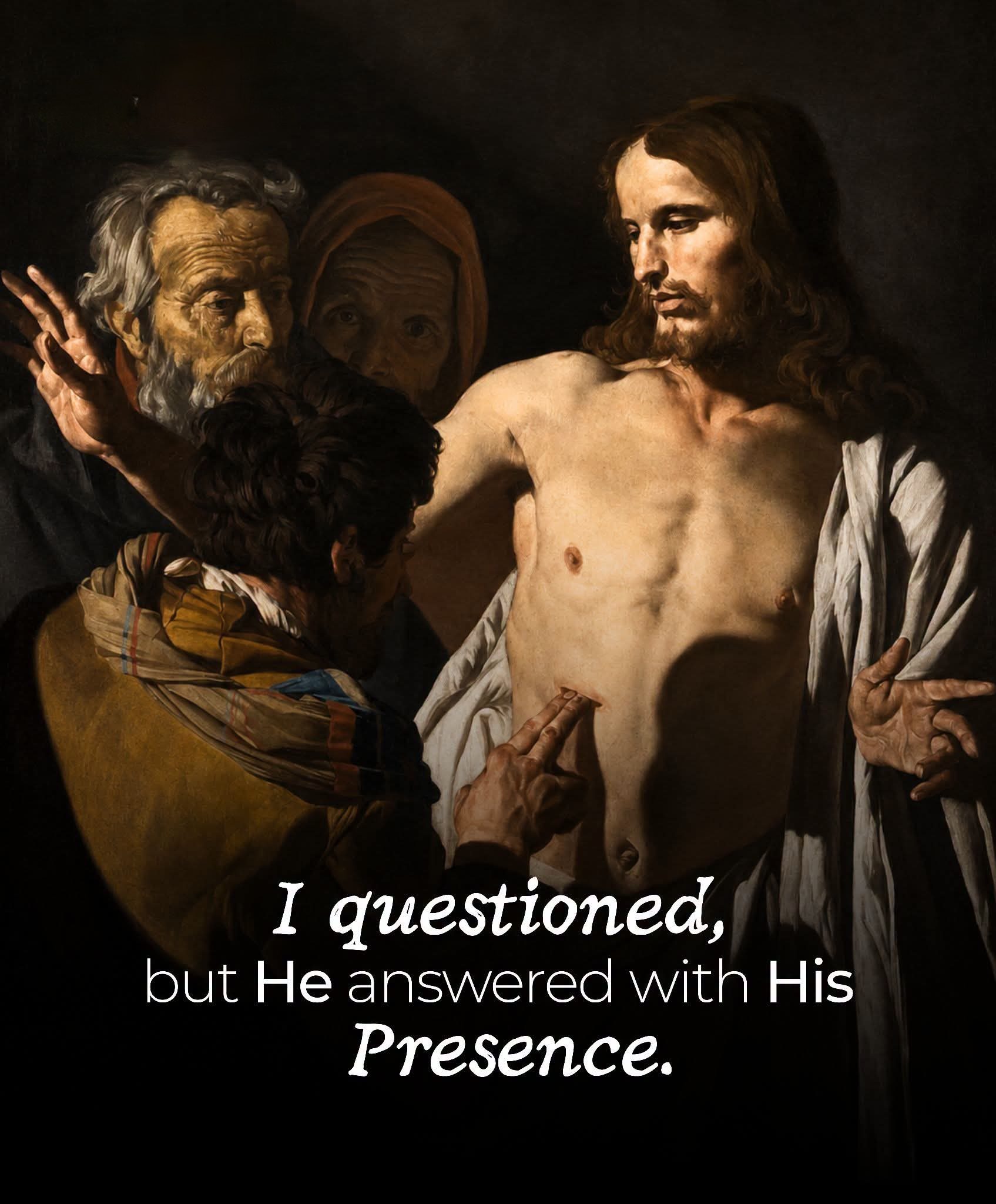
Saint Thomas is remembered throughout the universal Church as the Apostle who journeyed from doubt to unwavering faith. In India, he is honored as the first great missionary who planted the seeds of Christianity. His life continues to inspire believers to seek the truth sincerely, believe courageously, and proclaim Christ fearlessly. His enduring confession remains the prayer of Christians everywhere: “My Lord and my God!”
PRAYER
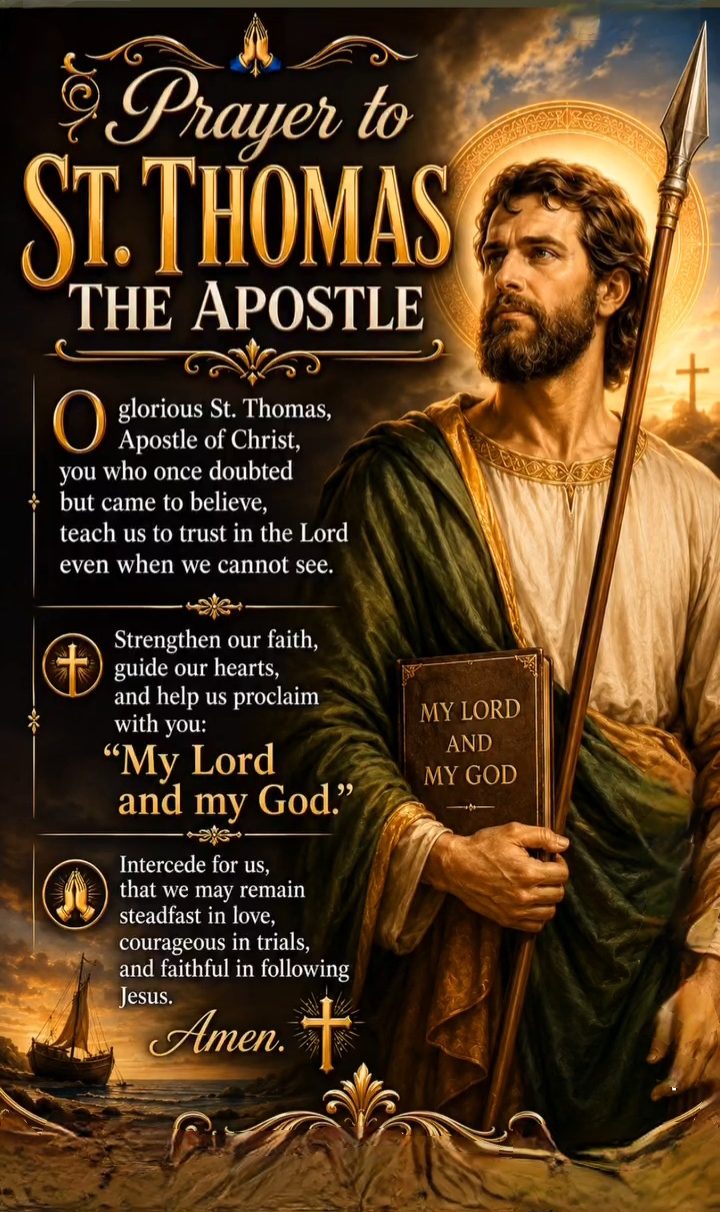
O Glorious Saint Thomas, your grief for Jesus was such that it would not let you believe he had risen unless you actually saw him and touched his wounds.
But your love for Jesus was equally great and it led you to give up your life for him. Pray for us that we may grieve for our sins which were the cause of Christ’s sufferings.
Help us to spend ourselves in his service and so earn the title of “blessed” which Jesus applied to those who would believe in him without seeing him. Amen (Source of prayer: catholicfaithstore.com)
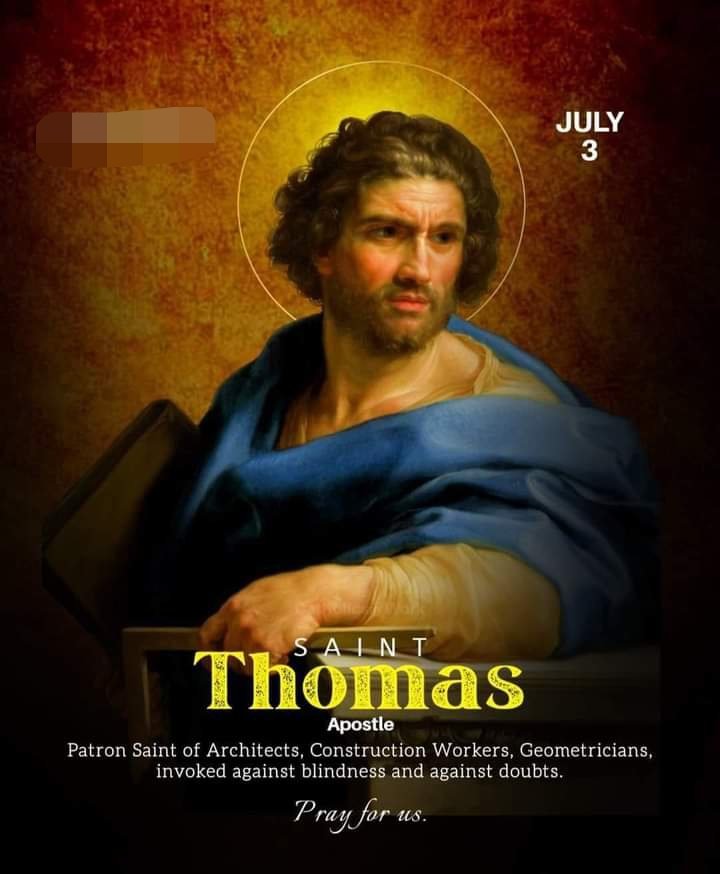
Saint Thomas, the Apostle, pray for us.