

SPIRITUAL INSIGHTS FROM THE LIFE OF ST. MATILDA
March 14, 2026
FEAST OF SAINT LOUISE DE MARILLAC – 15th MARCH
March 15, 2026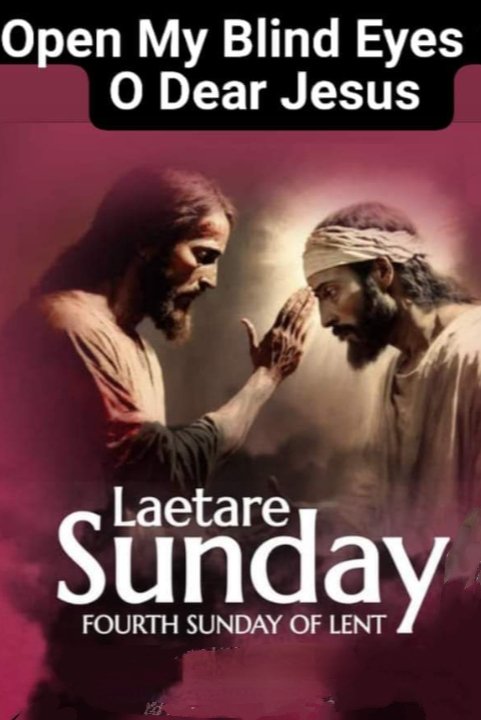
FOURTH SUNDAY IN LENT: SIGHT
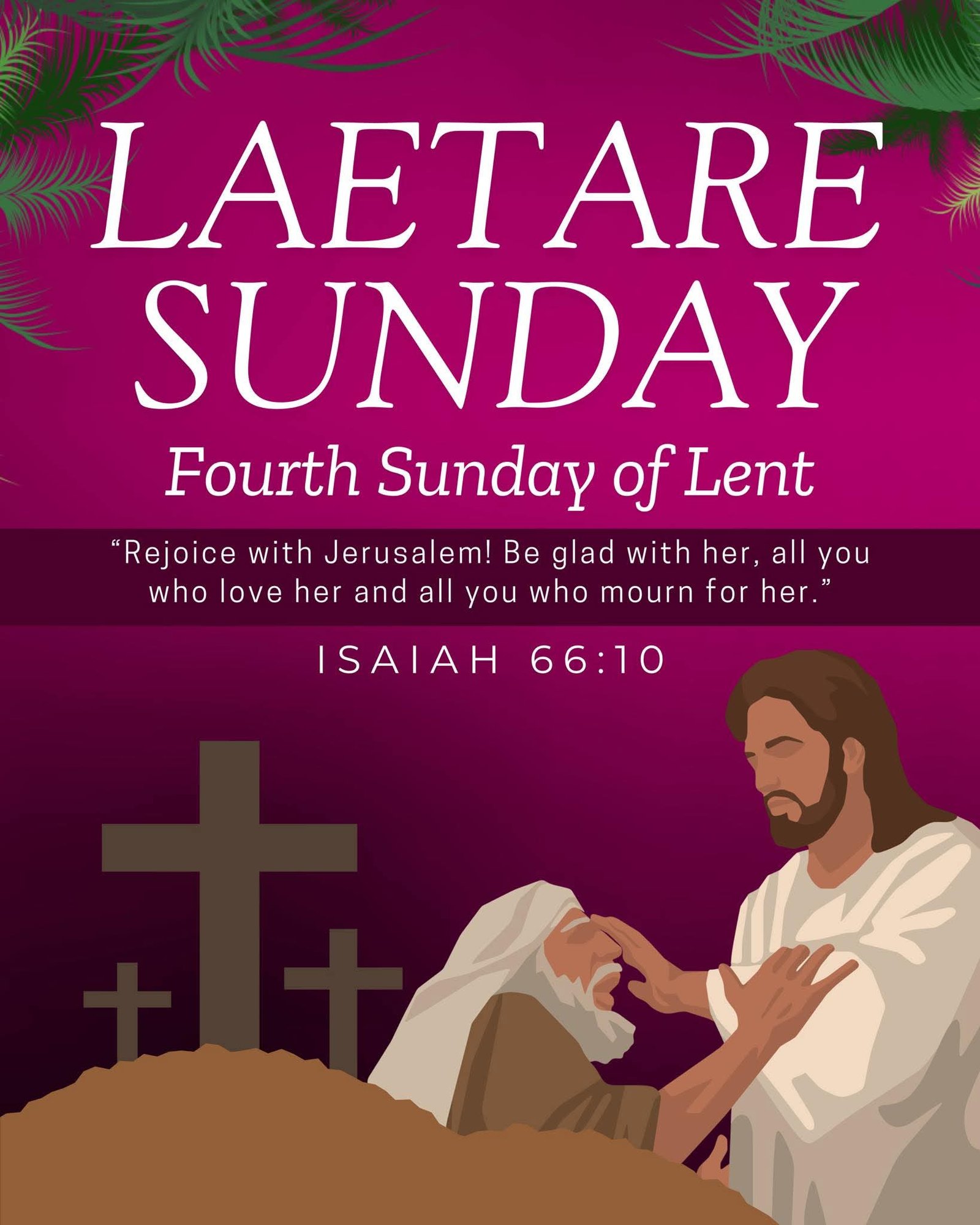
What is LAETARE SUNDAY?
Laetare Sunday is the Fourth Sunday of Lent.

The word “Laetare” comes from a Latin word that means “Rejoice.”
So even though Lent is normally a serious and penitential season—prayer, fasting, repentance—Laetare Sunday is like a small pause where the Church tells us: “Rejoice! Easter is getting closer.”
You can think of it like this:
During Lent, we are on a long journey toward Easter. Laetare Sunday is like reaching the halfway point of the trip, where the Church says: “Don’t lose heart. The joy of Easter is already near.”
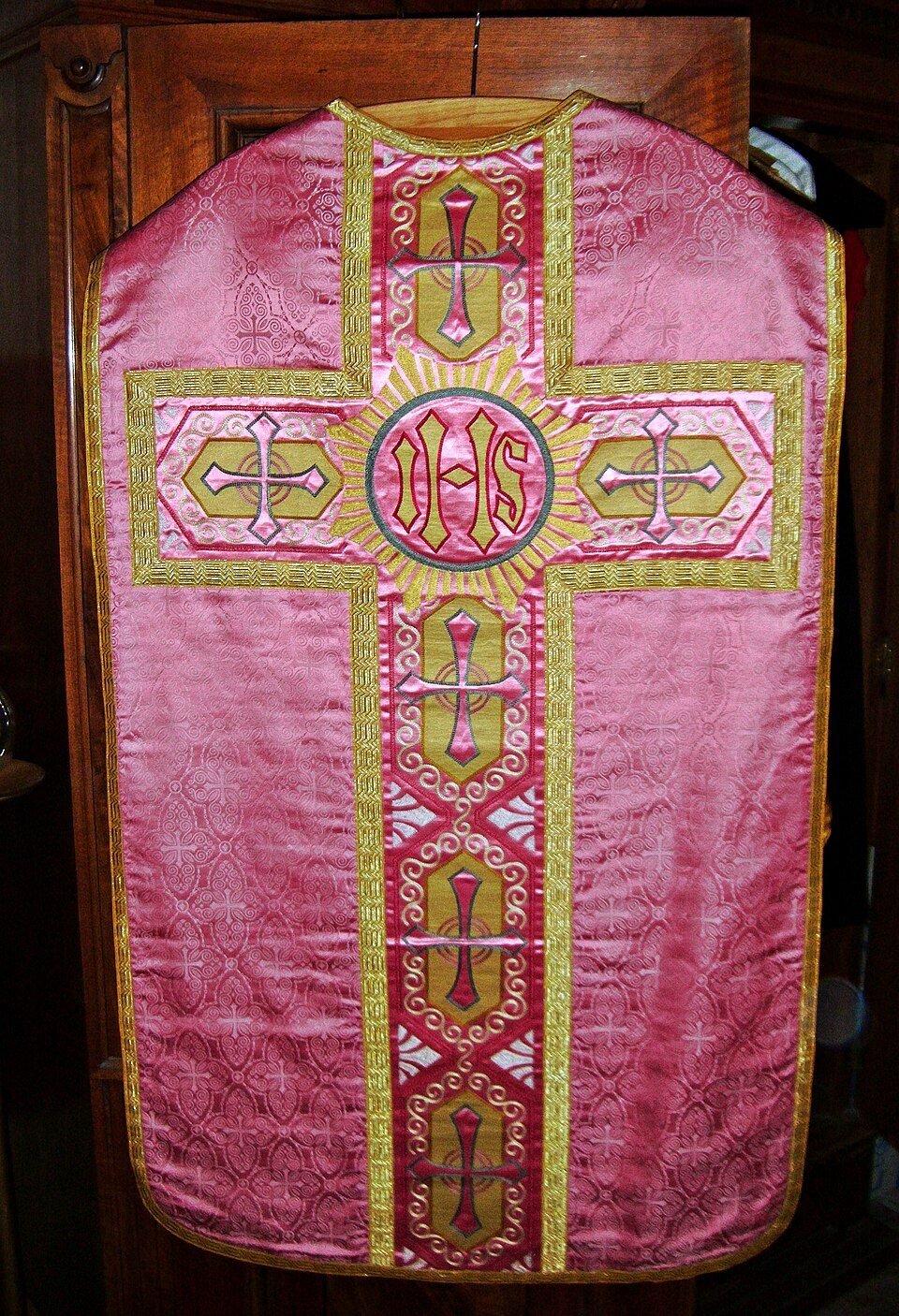
That is why a few things look slightly different on this Sunday:
• The priest may wear rose-colored vestments instead of violet.
• The atmosphere is a little lighter and more joyful.
• The readings often speak about light, healing, and hope.
The entrance antiphon of the Mass begins with the words: “Laetare Jerusalem” — “Rejoice, O Jerusalem.”
So in simple terms: Laetare Sunday is the Church’s way of reminding us that Lent is not only about sacrifice — it is also about hope. Easter is coming, and the joy of the Resurrection is already beginning to shine.
You could say it in a very casual way like this: “Laetare Sunday is the Church smiling in the middle of Lent.”
GOSPEL READING – John 9:1-41
As Jesus passed by he saw a man blind from birth. His disciples asked him, “Rabbi, who sinned, this man or his parents, that he was born blind?” Jesus answered, “Neither he nor his parents sinned; it is so that the works of God might be made visible through him. We have to do the works of the one who sent me while it is day. Night is coming when no one can work. While I am in the world, I am the light of the world.” When he had said this, he spat on the ground and made clay with the saliva, and smeared the clay on his eyes, and said to him, “Go wash in the Pool of Siloam” —which means Sent—. So he went and washed, and came back able to see.
His neighbors and those who had seen him earlier as a beggar said, “Isn’t this the one who used to sit and beg?” Some said, “It is,” but others said, “No, he just looks like him.” He said, “I am.” So they said to him, “How were your eyes opened?” He replied, “The man called Jesus made clay and anointed my eyes and told me, ‘Go to Siloam and wash.’ So I went there and washed and was able to see.” And they said to him, “Where is he?” He said, “I don’t know.”
They brought the one who was once blind to the Pharisees. Now Jesus had made clay and opened his eyes on a Sabbath. So then the Pharisees also asked him how he was able to see. He said to them, “He put clay on my eyes, and I washed, and now I can see.” So some of the Pharisees said, “This man is not from God, because he does not keep the Sabbath.” But others said, “How can a sinful man do such signs?” And there was a division among them. So they said to the blind man again, “What do you have to say about him, since he opened your eyes?” He said, “He is a prophet.”
Now the Jews did not believe that he had been blind and gained his sight until they summoned the parents of the one who had gained his sight. They asked them, “Is this your son, who you say was born blind? How does he now see?” His parents answered and said, “We know that this is our son and that he was born blind. We do not know how he sees now, nor do we know who opened his eyes. Ask him, he is of age; he can speak for himself.” His parents said this because they were afraid of the Jews, for the Jews had already agreed that if anyone acknowledged him as the Christ, he would be expelled from the synagogue. For this reason his parents said, “He is of age; question him.”
So a second time they called the man who had been blind and said to him, “Give God the praise! We know that this man is a sinner.” He replied, “If he is a sinner, I do not know. One thing I do know is that I was blind and now I see.” So they said to him, “What did he do to you? How did he open your eyes?” He answered them, “I told you already and you did not listen. Why do you want to hear it again? Do you want to become his disciples, too?” They ridiculed him and said, “You are that man’s disciple; we are disciples of Moses! We know that God spoke to Moses, but we do not know where this one is from.” The man answered and said to them, “This is what is so amazing, that you do not know where he is from, yet he opened my eyes. We know that God does not listen to sinners, but if one is devout and does his will, he listens to him. It is unheard of that anyone ever opened the eyes of a person born blind. If this man were not from God, he would not be able to do anything.” They answered and said to him, “You were born totally in sin, and are you trying to teach us?” Then they threw him out.
When Jesus heard that they had thrown him out, he found him and said, “Do you believe in the Son of Man?” He answered and said, “Who is he, sir, that I may believe in him?” Jesus said to him, “You have seen him, the one speaking with you is he.” He said, “I do believe, Lord,” and he worshiped him. Then Jesus said, “I came into this world for judgment, so that those who do not see might see, and those who do see might become blind.”
Some of the Pharisees who were with him heard this and said to him, “Surely we are not also blind, are we?” Jesus said to them, “If you were blind, you would have no sin; but now you are saying, ‘We see,’ so your sin remains.
DO YOU WANT TO SEE?
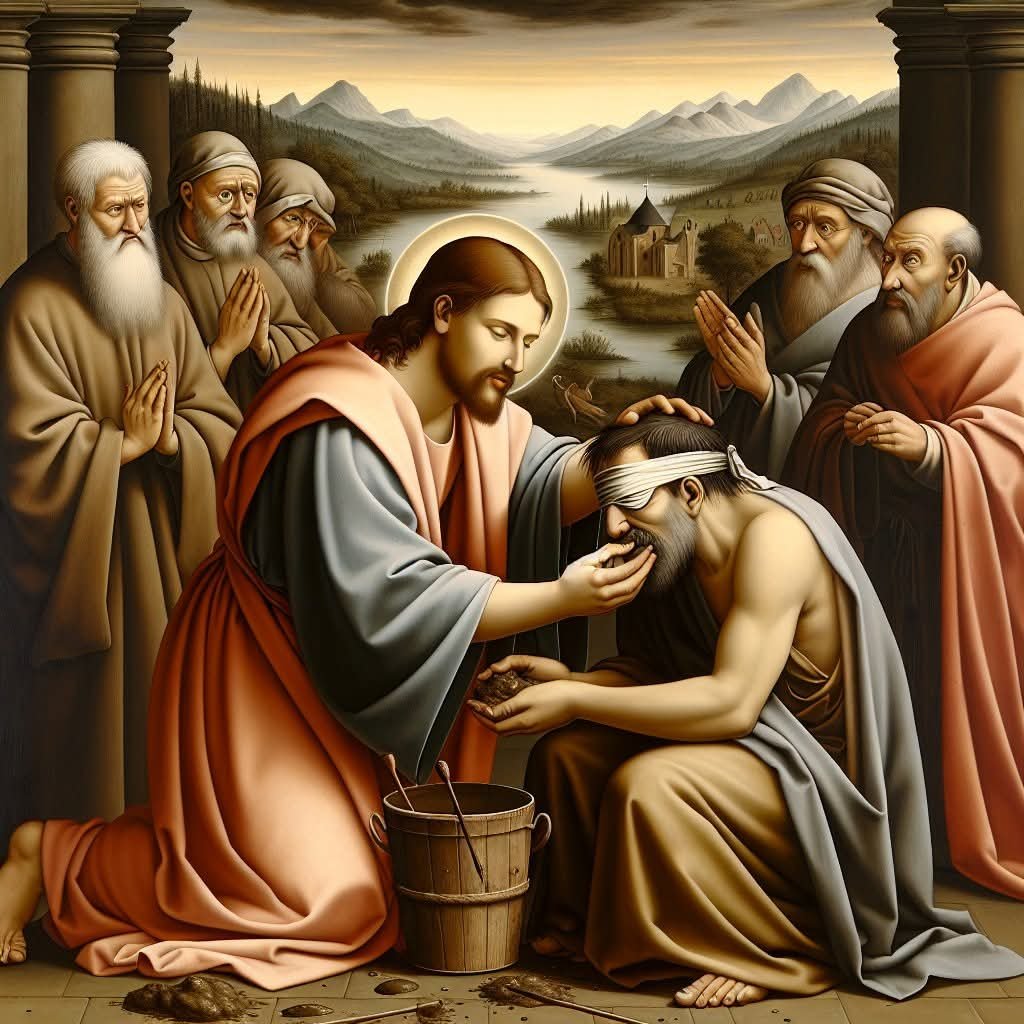
Today’s Gospel (from Year A, which is also optional for Years B and C) is the story of the healing of the man born blind. He had suffered greatly throughout his life, but that suffering helped to make him the man he was. It’s clear from the story that this poor, blind outcast of society was also very virtuous. He was humble, respectful, sincere, simple, and honest. Though we do not know how he would have turned out if he were not born blind, we do know a little about him as a blind man.
When someone is born blind or with any physical defect, the immediate response is often one of disappointment and pity. Though this response might come from a compassionate heart, it might also be the result of a failure to see the many blessings that come through hardship. Let’s look at some of the clear good fruit that resulted from this man’s years of blindness.
First of all, this man is humble and respectful. He refers to Jesus as “sir” and treats our Lord with much kindness, even before he knows Who Jesus is and what He is about to do for him. The man is also docile and honest with the Pharisees who disrespect him as they interrogate him. He is honest with them in a respectful way and does not allow himself to be intimidated by their veiled threats but acts courageously and sincerely with integrity. In the end, the Pharisees threw him out of the synagogue because of his honesty with them. After that, Jesus invites him to have faith, and the now-cured blind man responds by worshiping our Lord. Thus, the deeper gift this man was given was the invitation to respond to God in faith. When he did, the eyes of his soul were also opened, and he was forever changed.
Lent must be a time in which we all consider the blindness of our own souls. Some people have many natural gifts. They are smart, talented, successful, and carry no serious physical defects; yet, they remain blind to the supernatural truths of faith. Others have suffered greatly in life, and as a result, their hearts are humble and disposed to accept the gift of faith more fully. Whether or not you are talented, smart, gifted, privileged, free of physical defects, or successful, the humble disposition of your heart must be like that of this blind man. He is the model for how we should live. He is the model of openness to God and exemplifies for us how we are to come to faith in God and worship Him.
Ponder the people you admire the most in this world and seek to imitate. Too often, we elevate those who are held up by the secular world, rather than the humble, sincere, docile, and faith-filled souls. Who do you want to be most like? Could this blind man be a true role model for you? Are you drawn to his humble, sincere, honest, and docile qualities? Can you see the blessings he had as a result of his lifelong struggle with being blind? Or do you normally choose other role models who fail to exemplify the purity of a faithful heart? This Gospel story is read in the middle of Lent for a reason. Our Lord wants each of us to look up to this blind man and imitate him as a model of the people we are called to be.
PRAYER
Most glorious Lord, You seek out those who are humble of heart, open to the gift of faith, and willing to offer You the worship that is due Your name. Thank You for placing before me this poor and humble blind man as a model for me to follow. May I seek to imitate him so that I, too, will come to see You as You are and worship You with all my heart. Jesus, I trust in You.
Source: mycatholiclife