
MONTHLY DEVOTIONAL FOR 17 JULY
July 17, 2026
SPIRITUAL INSIGHTS INTO THE LIVES OF BLESSED TERESA OF ST. AUGUSTINE AND COMPANIONS
July 17, 2026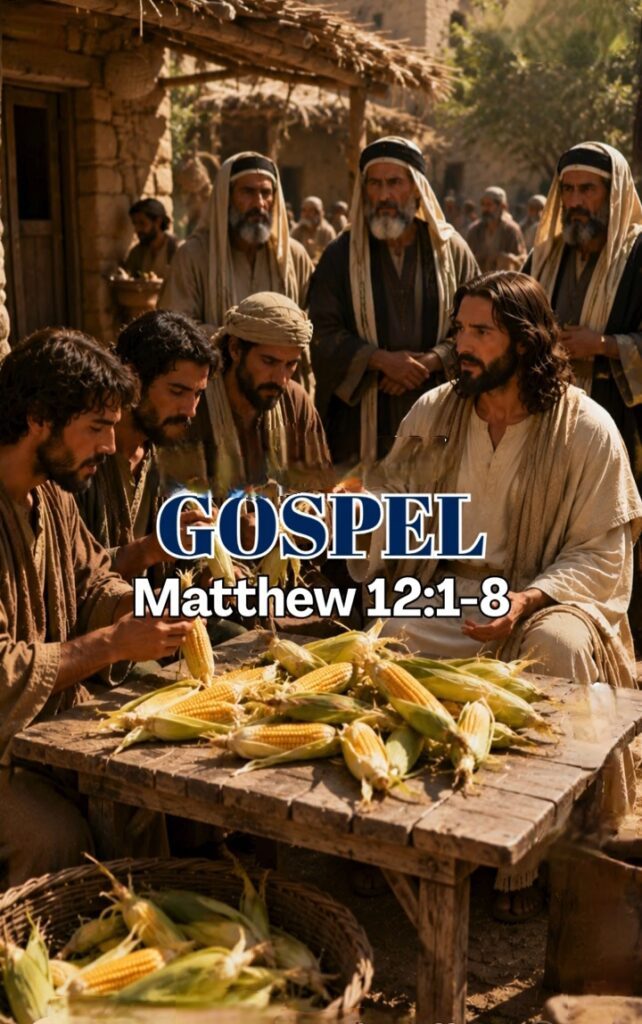
TODAY’S GOSPEL READING
17 JULY, 2026
Matthew 12:1-8
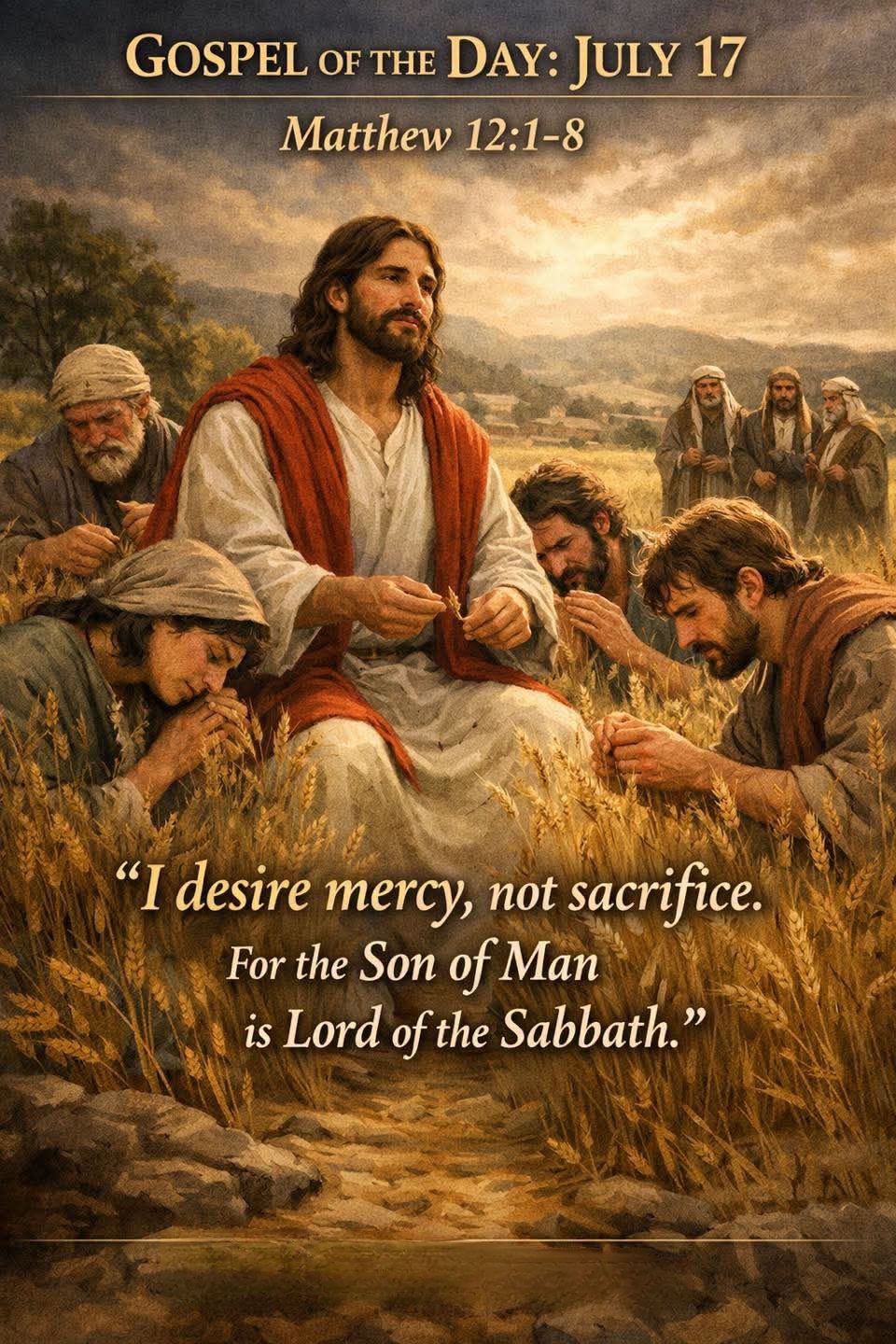
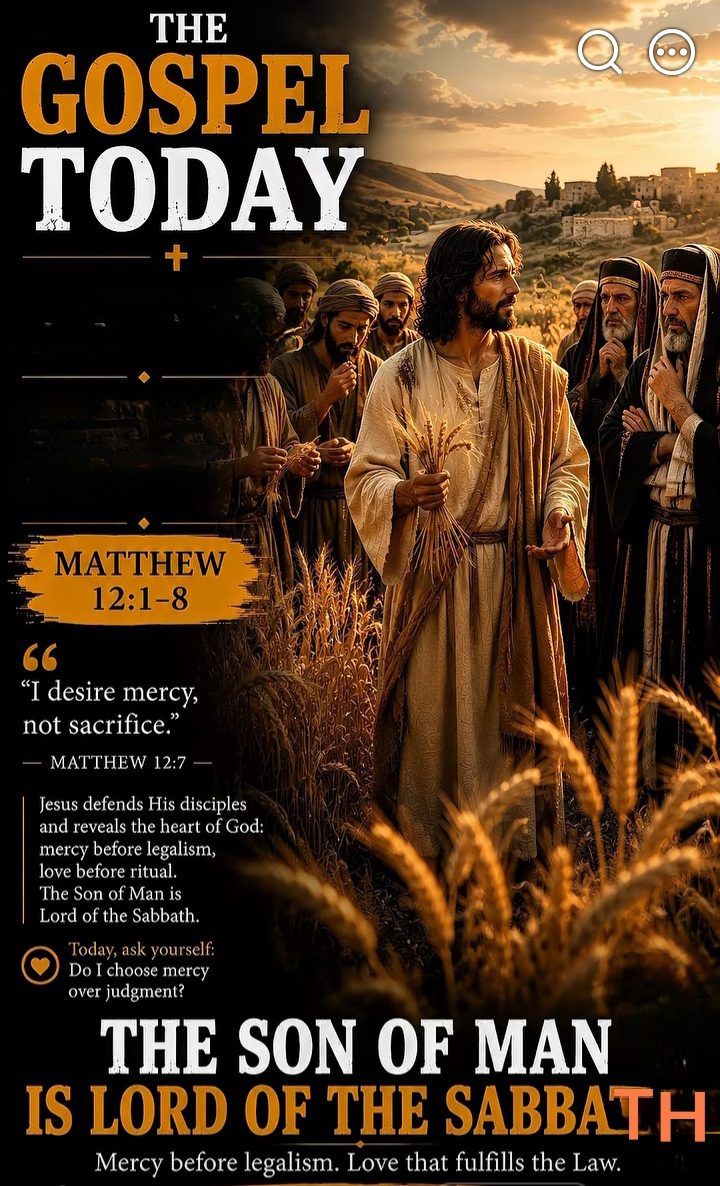
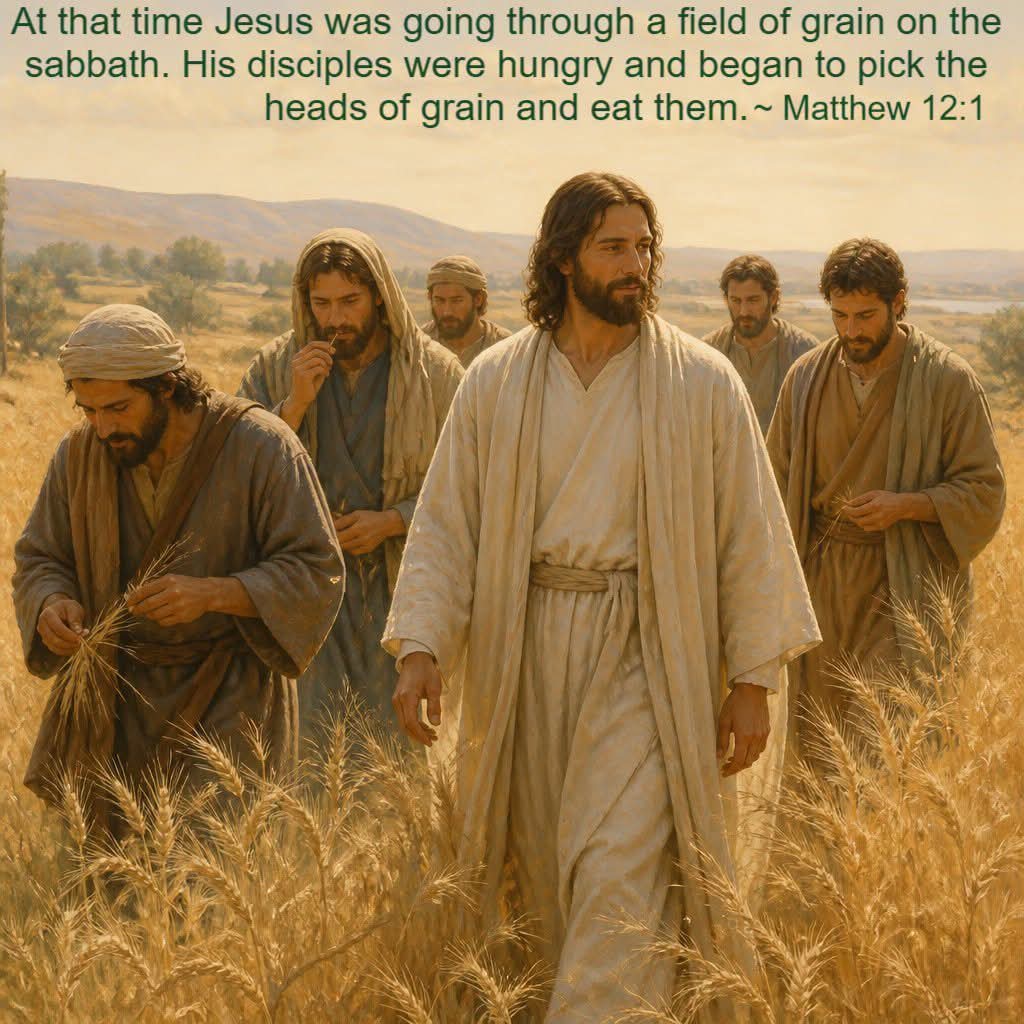
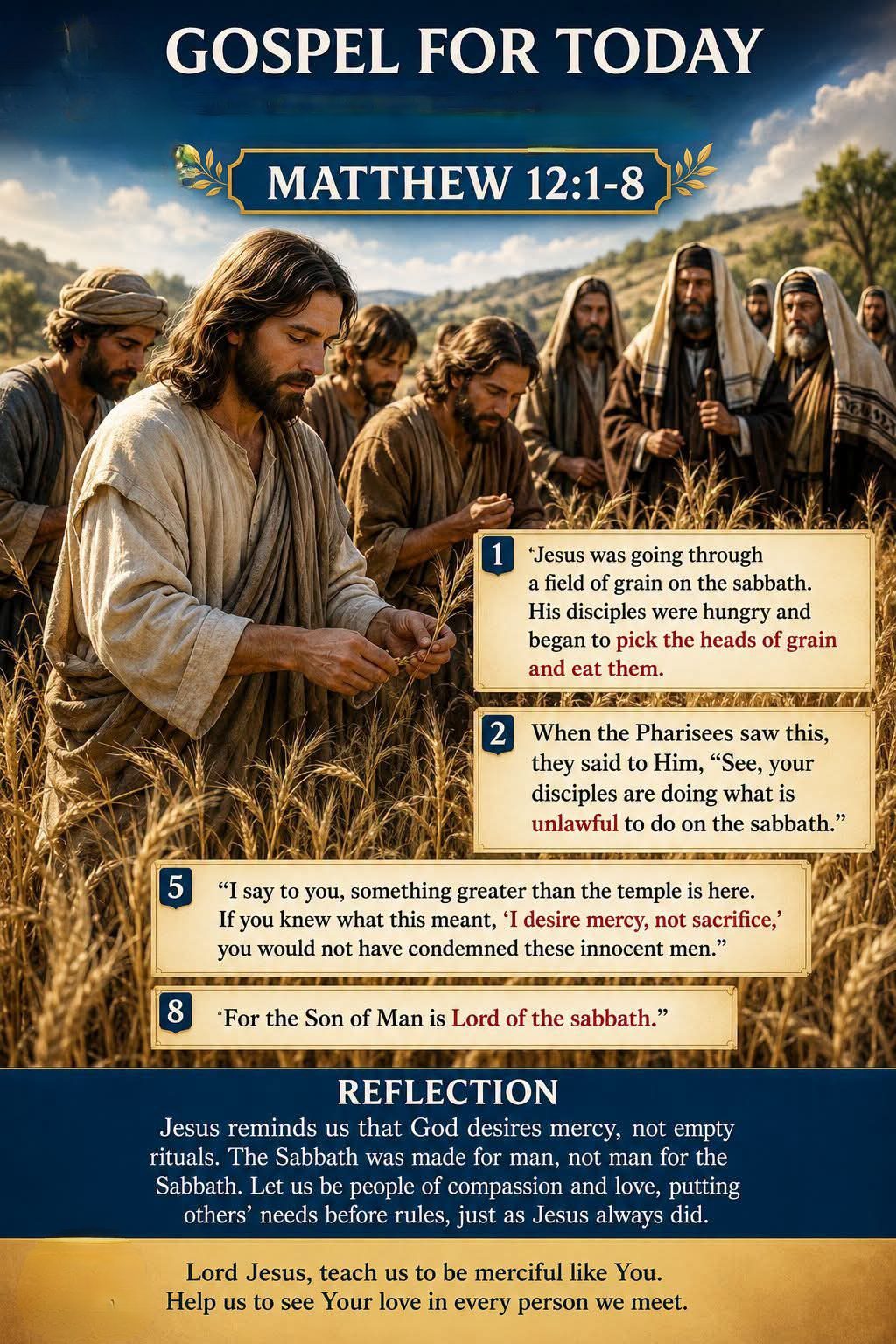
Jesus was going through a field of grain on the sabbath.
His disciples were hungry
and began to pick the heads of grain and eat them.
When the Pharisees saw this, they said to him,
“See, your disciples are doing what is unlawful to do on the sabbath.”
He said to the them, “Have you not read what David did
when he and his companions were hungry,
how he went into the house of God and ate the bread of offering,
which neither he nor his companions
but only the priests could lawfully eat?
Or have you not read in the law that on the sabbath
the priests serving in the temple violate the sabbath
and are innocent?
I say to you, something greater than the temple is here.
If you knew what this meant, I desire mercy, not sacrifice,
you would not have condemned these innocent men.
For the Son of Man is Lord of the sabbath.”
THE GOSPEL OF THE LORD!
REFLECTION
When Rules Forget People
This is a very human scene. It is harvest time. The disciples are walking, they are hungry, and they do what any of us would do, they rub a few heads of grain between their palms and eat. It is not theft, Jewish law allowed this for travelers in need. The problem is the day: Sabbath. The Pharisees are not villains here. They love the Law, they believe keeping Sabbath holy is how Israel stays faithful to God. But their devotion has become surveillance. They see hungry hands and they see a violation. Jesus answers them with Scripture, history, and with a prophet.
1. He reminds them that need has always mattered to God.
David, exhausted and fleeing, ate the holy bread reserved for priests. God did not strike him down. The temple priests themselves “break” the Sabbath every Sabbath, because they have to work to lead worship. The Law itself makes room for human life.
2. “Something greater than the temple is here.”
For a devout Jew, nothing was greater than the Temple. It was where God dwelled. Jesus is saying quietly but clearly: God’s presence is no longer confined to a building, to a system, to a day. God’s presence is walking with you in the grainfield.
3. “I desire mercy and not sacrifice.”
He quotes Hosea 6:6. This is the heart of it. God is not first interested in our flawless religious performance. He desires a merciful, loyal, compassionate heart. A heart full of love.

From a contemporary perspective, we still live this tension:
We live it when faith becomes a checklist to judge others, rather than a way to love them. When we are quicker to quote rules at someone’s failure than to ask if they are hungry, tired, or lonely.
We live it in our own lives too. Many of us were raised to believe that our worth comes from never breaking the rules, never resting, never appearing needy. We turn Sabbath, which was meant to be a gift of rest, into another burden, another day we fail to get right. We glorify busyness, even in church.
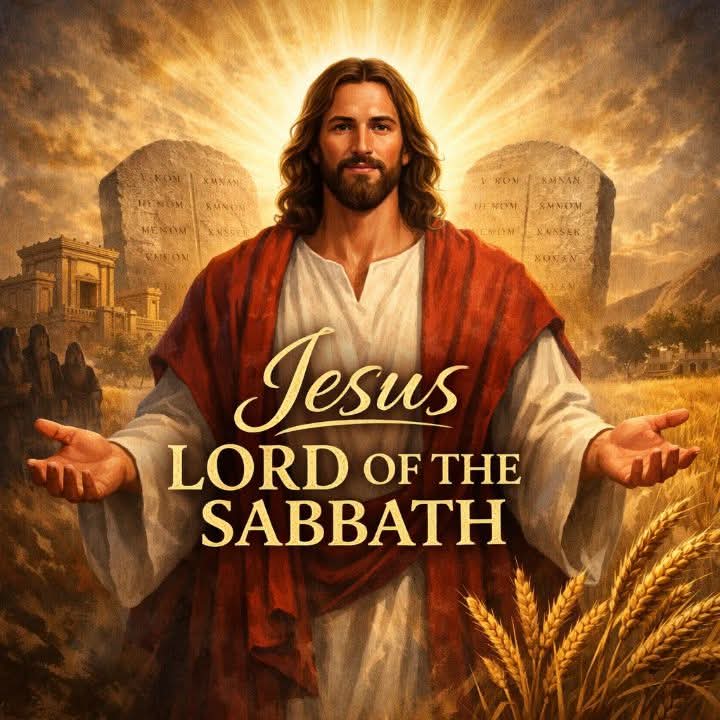
Jesus calls himself “Lord of the Sabbath.”
We often measure holiness by external compliance—perfect attendance, flawless behavior, polished appearances. Yet Jesus stands among the hungry, the tired, the marginalized, and says:
“Human need is not an interruption of holiness; it is the place where holiness begins.”
The Lord of rest does not come to police your rest. He comes to give it to you.
He comes to say: a hungry person matters more than a rigid rule.
Mercy is the truest form of worship.
FOR PERSONAL REFLECTION
Where in my life am I hungry right now, and am I allowing myself to be fed?
Is there someone I have been quick to condemn because they did not follow the “rules,” when what they really needed was mercy?
How do I keep Sabbath? Is it a day of dread, performance, and catching up, or is it a day where I let God remind me that I am more than what I produce?
When we encounter someone who is hungry, lonely, overwhelmed, or forgotten, the Gospel asks:
Do we protect our comfort, or do we protect their dignity?
Do we cling to rules, or do we cling to compassion?
PRAYER
Lord Jesus, Lord of the Sabbath,
You walked through the fields with your friends and you did not shame them for their hunger.
You see my hunger too, the hunger for rest, for meaning, for mercy.
Forgive me for the times I have chosen sacrifice over mercy, when I have chosen to be right rather than to be kind, when I have measured others and myself by laws that forget love.
Today, teach me your Sabbath.
Quiet my need to prove myself. Let me pluck what I need from your generous hand without guilt. Let me offer what I have to others without judgment.
Something greater than all my temples, my routines, and my rules is here.
It is You, walking beside me in this ordinary field, in this ordinary day.
May I honor You not only in rituals,
but in every act of kindness,
every moment of understanding,
every choice to lift another’s burden.
I desire to learn your mercy.
Make my heart more like yours.
Amen