
TODAY’S GOSPEL READING – 3 OCTOBER
October 3, 2026
Psalm 51:10
October 4, 2026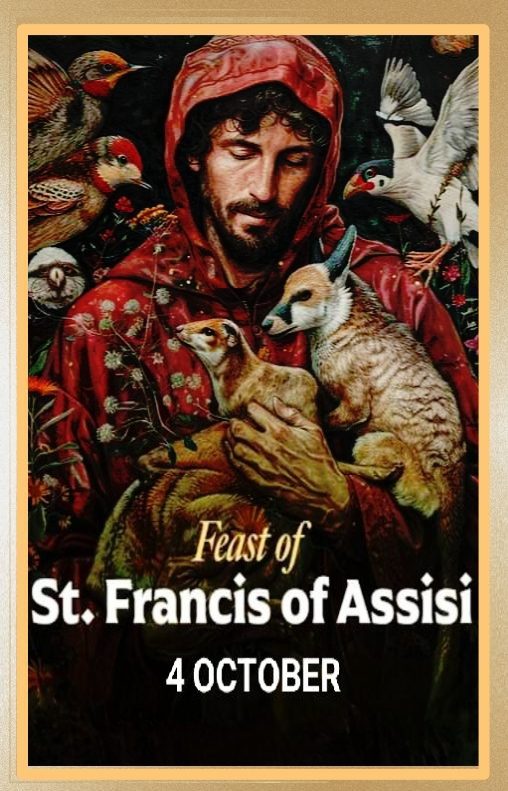
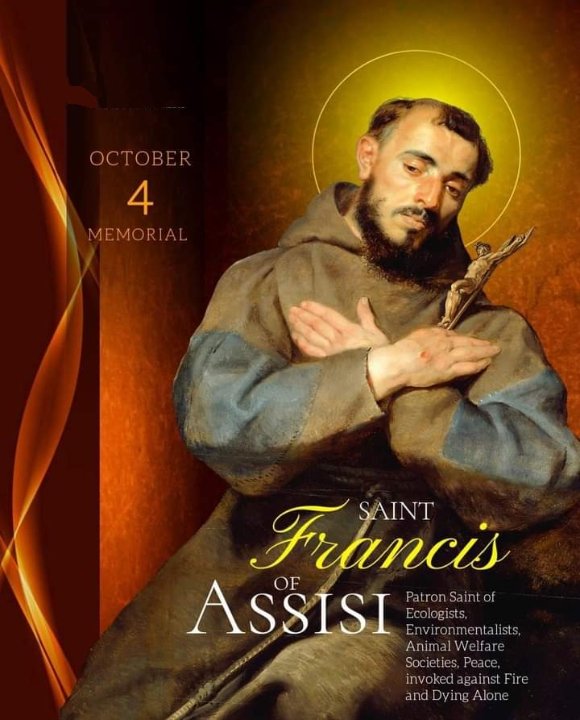
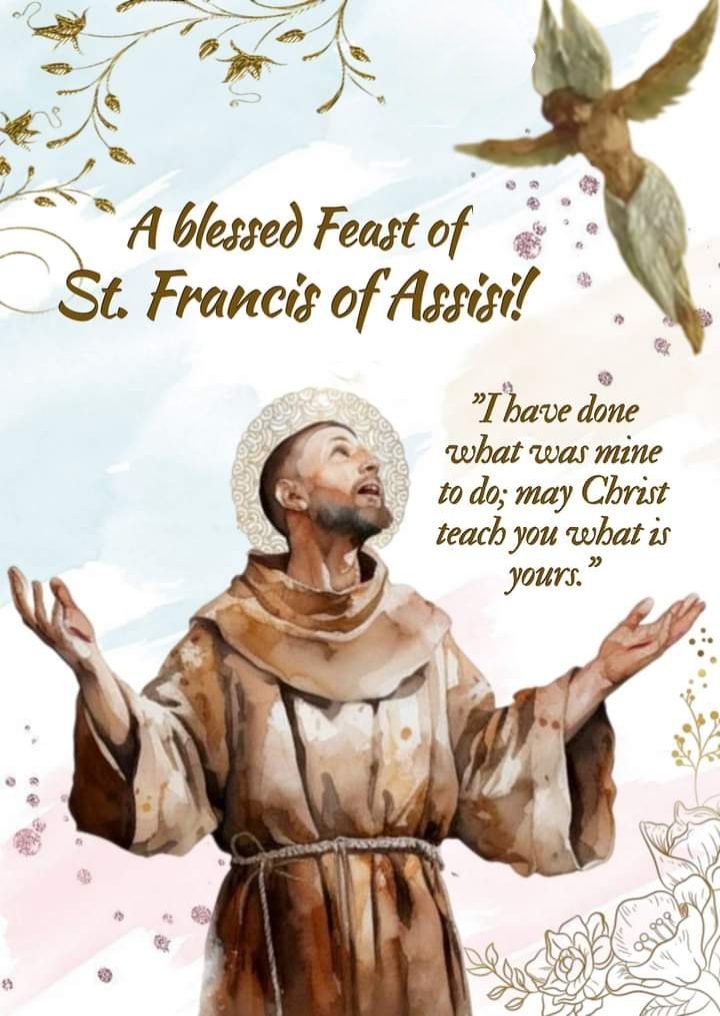
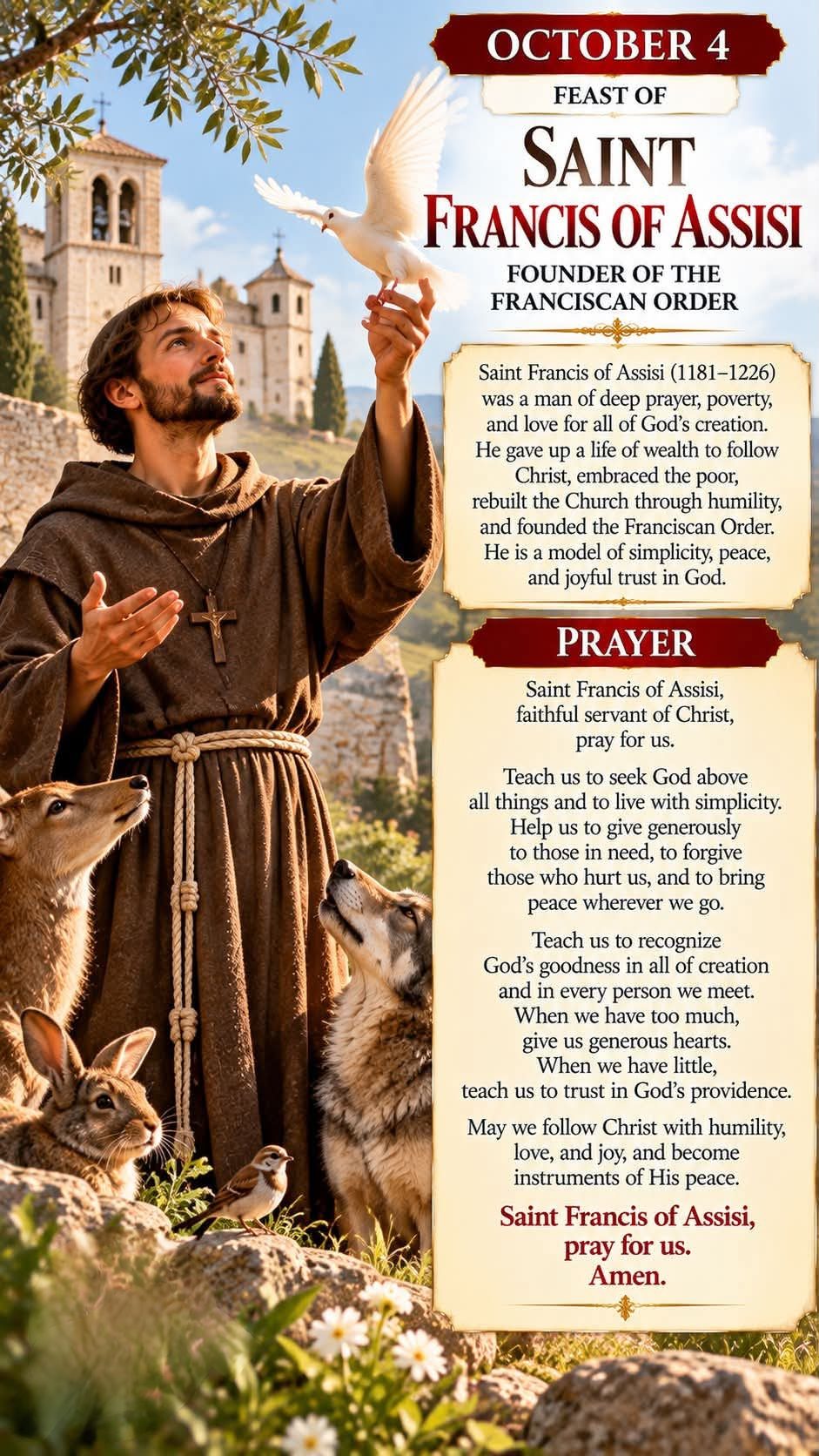
FEAST OF SAINT FRANCIS OF ASSISI – 4th OCTOBER

Giovanni di Pietro di Bernardone, better known as Saint Francis of Assisi (Italian: Francesco d’Assisi; c. 1181 – 3 October 1226), was a mystic Italian Catholic friar, founder of the Franciscans, and one of the most venerated figures in Christianity. In 1223, he arranged for the first Christmas live nativity scene.
Pope Gregory IX canonized him on 16 July 1228. Francis later became associated with patronage of animals and the natural environment. It became customary for churches to hold ceremonies blessing animals on his feast day of 4 October.
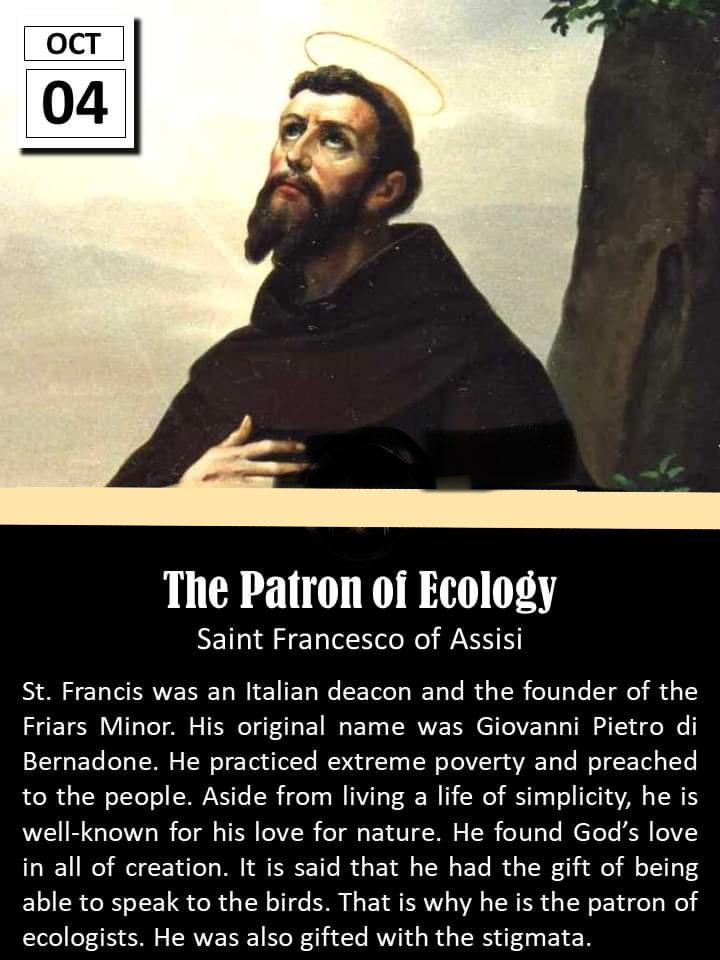
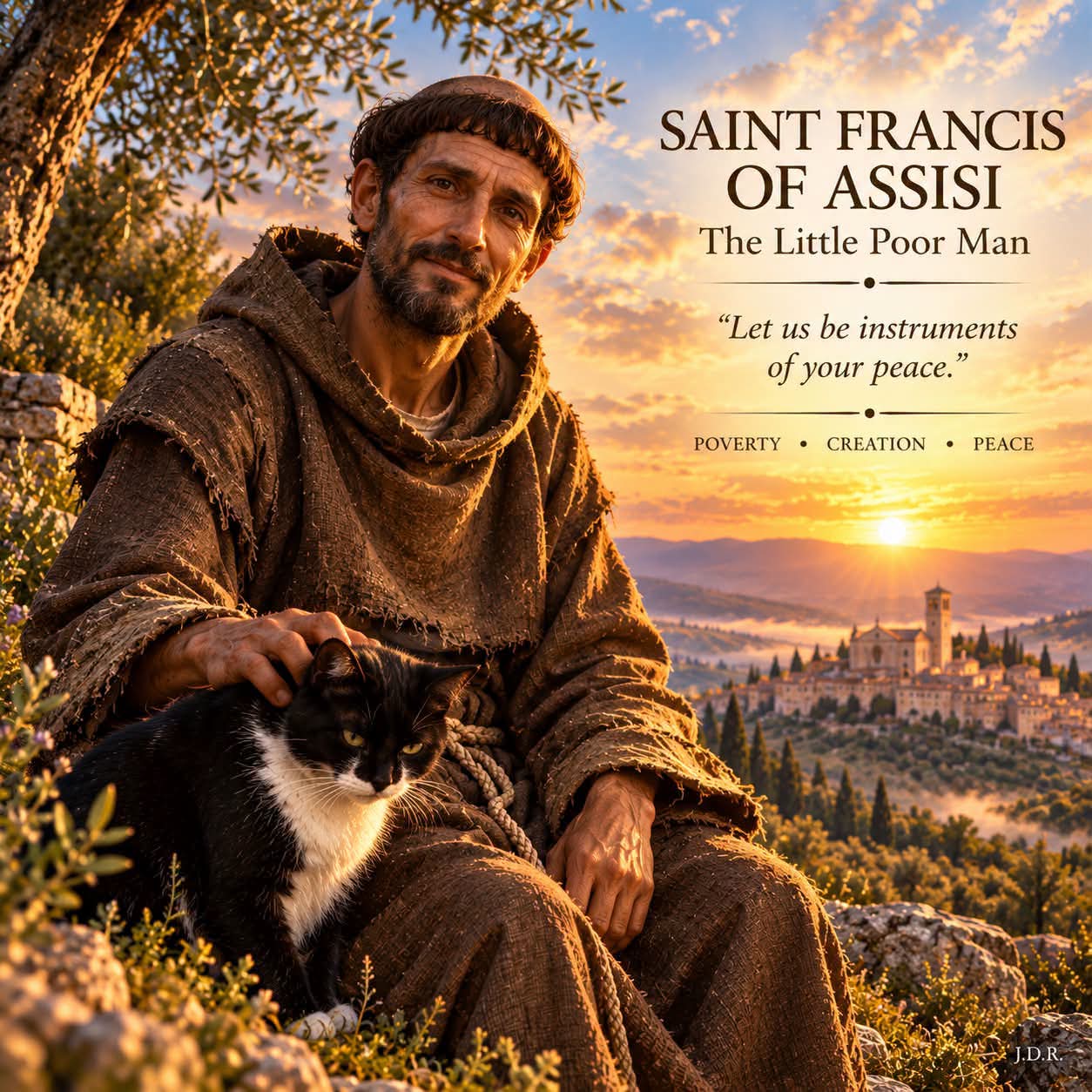
Saint Francis of Assisi (1182 – 1226) is probably the most popular Christian saint. His radiant spirit is a beacon for those seeking a life of meaning and service.
It does no good to put him on a pedestal; rather we should walk with St. Francis on the path of peace, openness, mysticism, poverty, reverence for nature, and love of animals.
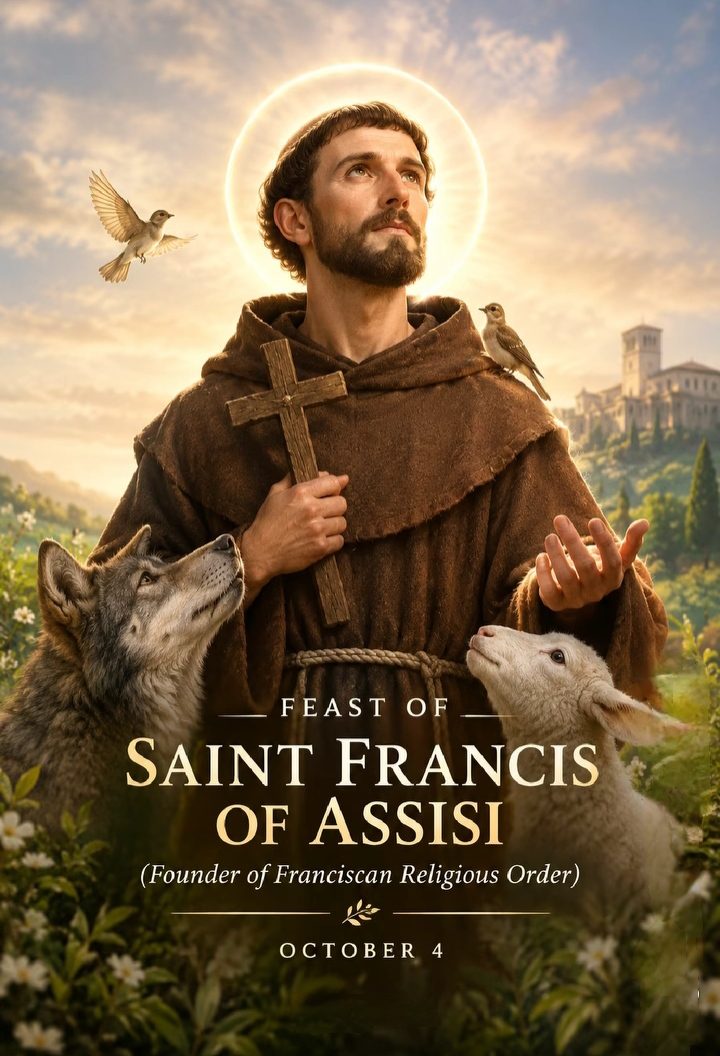
There are plenty of spiritual resources on his remarkable life and his spiritual practices.
In 1219, he went to Egypt in an attempt to convert the sultan al-Kamil and put an end to the conflict of the Fifth Crusade.[6] He founded the men’s Order of Friars Minor, the women’s Order of St. Clare, the Third Order of St. Francis and the Custody of the Holy Land. Once his community was authorized by the Pope, he withdrew increasingly from external affairs.
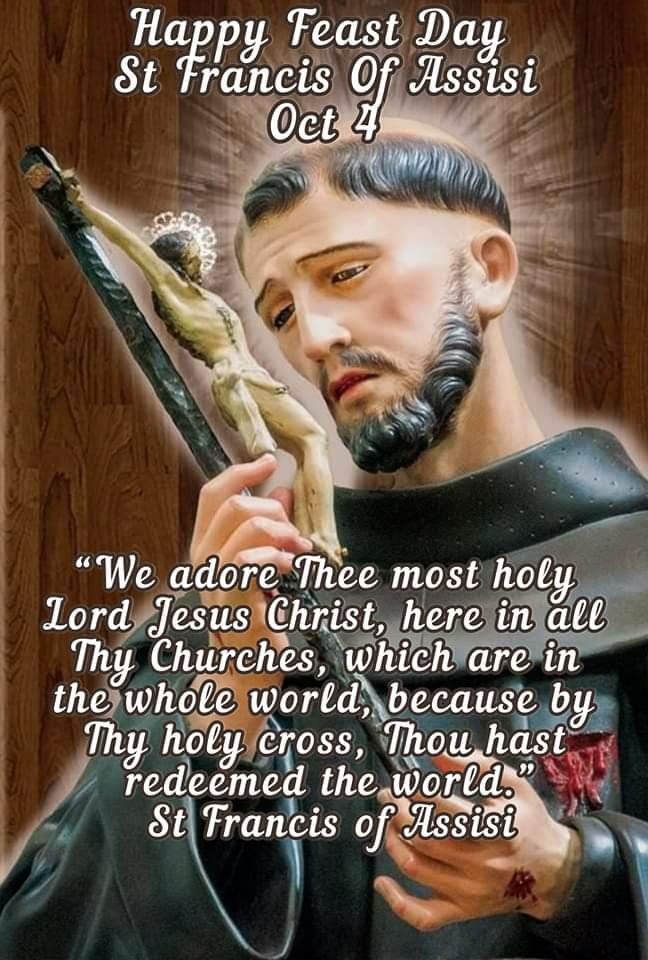
Francis is known for his devotion to the Eucharist. According to Christian tradition, in 1224 he received the stigmata during the apparition of a Seraphic angel in a religious ecstasy. Along with Catherine of Siena, he was designated patron saint of Italy.
Francesco grew up in a middle-class home that engaged in the sale of fine cloth. Francis was a skilled merchant in the family business, but he enjoyed spending money more than earning it.
He was a man about town, a leader among his friends, and well liked for his concern for others. He was also a failed knight.
When he was twenty, Francis joined a civic-minded Assisi militia in a battle against a neighboring city.
When the militia was routed, Francis was spared death and instead held for ransom due to his fine livery. He was held prisoner in a rank dungeon for a year before the ransom was paid.
He returned to Assisi a more reflective man. Subsequent military service for the Papal States ended abruptly when Francis heard a voice tell him, “Follow the master rather than the man.” He sold his expensive armor and horse, returned home, and began to spend hours in prayer.
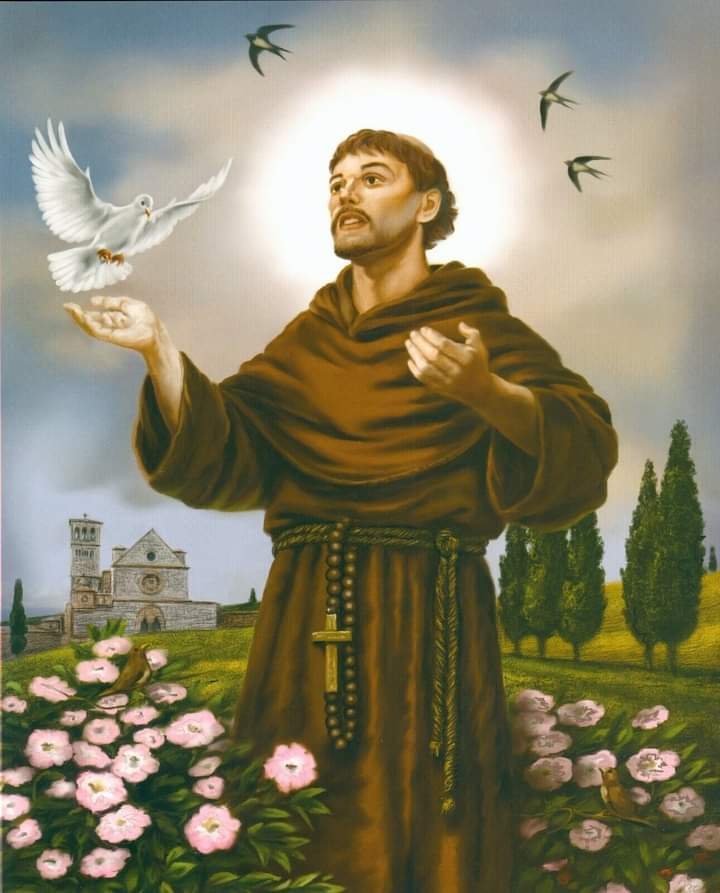
Shortly after this turning point, Francis met a leper on the outskirts of Assisi. He initially recoiled, but then dismounted, gave the man some money, and kissed his putrid hand. This was the start of his frequent visits to leper houses and hospitals.
When Francis heard a voice from the cross say to him, “Francis, go and repair my church, which as you can see is in ruins,” he sold a large amount of cloth and his father’s horse at a neighboring market town.
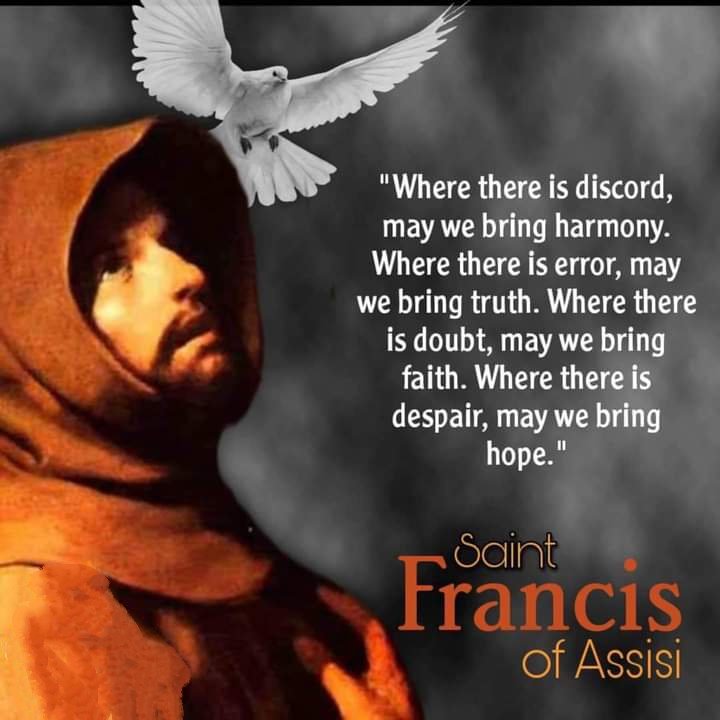
Coming back to Assisi, he donated the proceeds to a priest at the church of San Damiano on the outskirts of Assisi. Francis’ father was irate. His son had sold cloth from the family store, and a horse, and had then given away money that was not his.
This was stealing, and Francis was put in prison. A dramatic scene then unfolds between Francis and his father in a church square, in the presence of Bishop Guido of Assisi and his court.
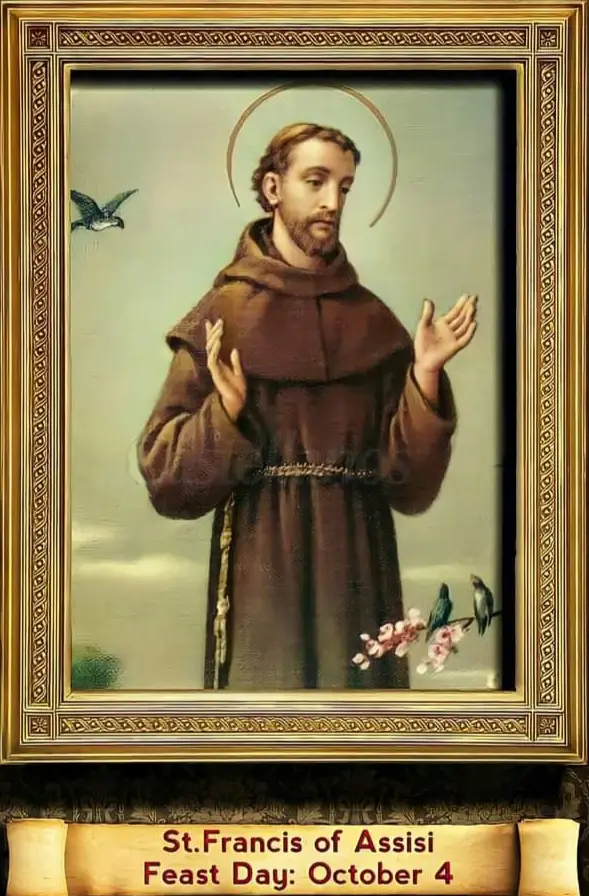
Pietro demands the return of his money. The Bishop supports him and says the Church cannot accept stolen money. Francis returns the coins. But then Francis goes further.
Piece by piece, he removes his clothing until he is naked before everyone’s eyes. He then says, “From now on I will not say ‘My Father, Pietro Bernardone’ but ‘Our Father, who art in heaven.’”

There is not a single reference in any contemporary Franciscan document to Pietro after this dramatic incident. Francis was now cut off, disinherited, and on his own.
Francis eventually began to wear a rough smock which he tied around his waist with a cord. He lived alone in absolute poverty, prayers, and tending to and helping the sick.
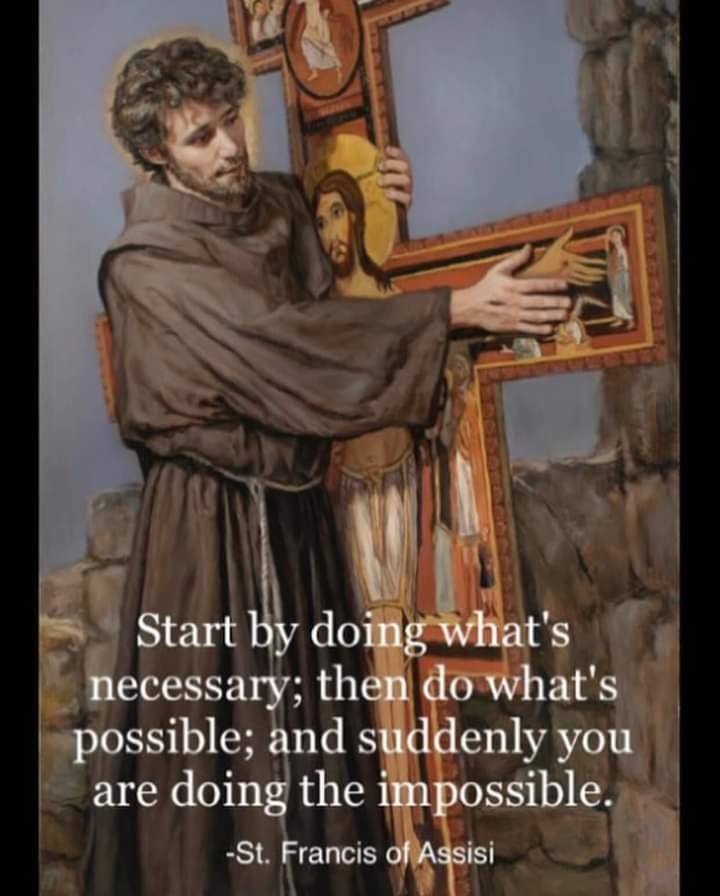
He rebuilt nearby run-down chapels, and preached and begged in the whole of Assisi. Men began to follow his lead, and the first fire of the worldwide Franciscan order was forged and ignited.
The “Lesser Brothers of Assisi” was recognized by the Pope, Francis was ordained a deacon, and the Order’s explosive growth can only be called miraculous. Saint Francis is the first great founder of a religious order since Saint Benedict in the 500s.
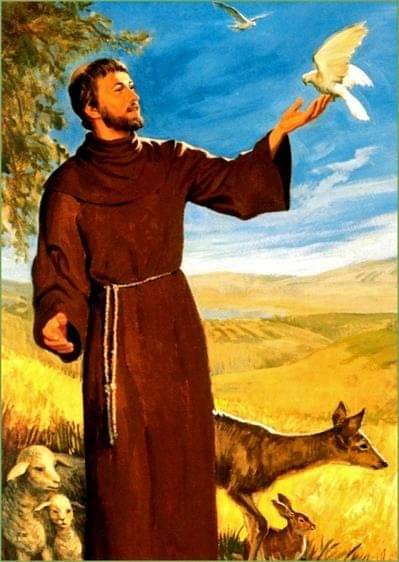
By sheer allure of personality, holiness, and vision, not intellect or organizational skill, he imparted a mysteriously powerful charism to his followers.
He was ardent in his love for the Holy Eucharist and insisted that churches be well kept in honor of the Lord’s physical presence.
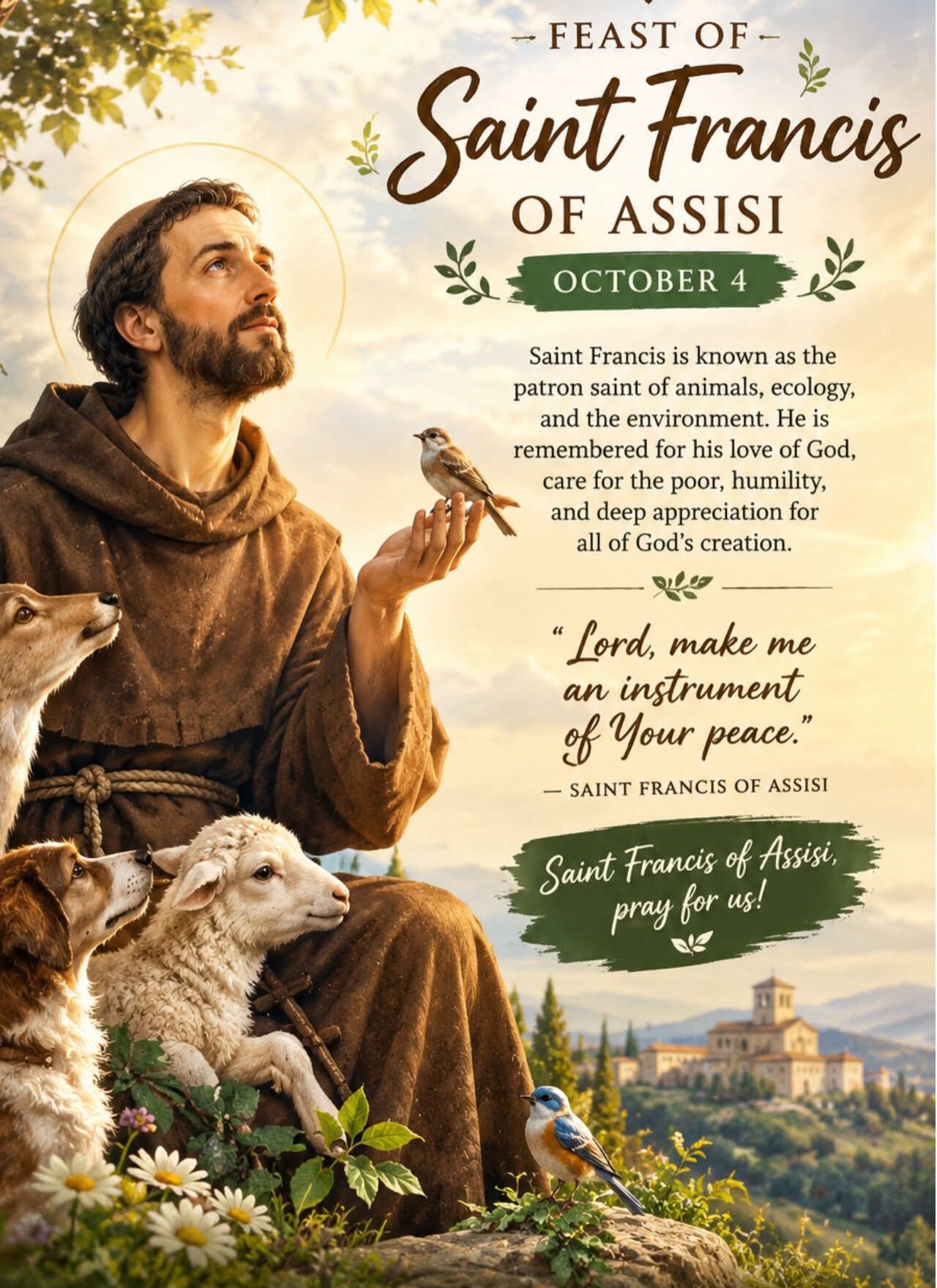
Francis died in his forty-fourth year and was canonized just two years later, in 1228. Saint Francis may be the most well-known person of the second millennium.
A measure of his massive impact can be gauged by observing that it is not uncommon for Saint Francis to be seen as the ideal of Christian virtue and poverty, even over and above the religion’s very founder.
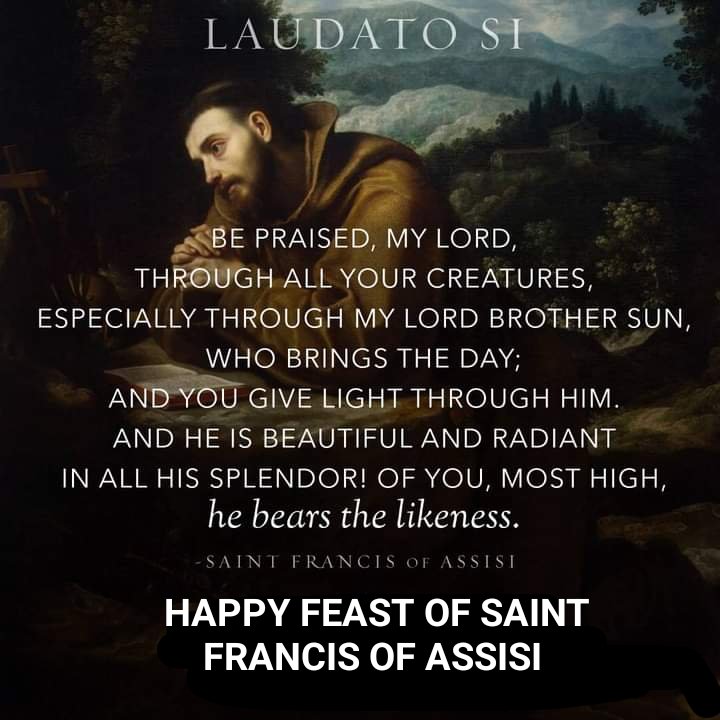
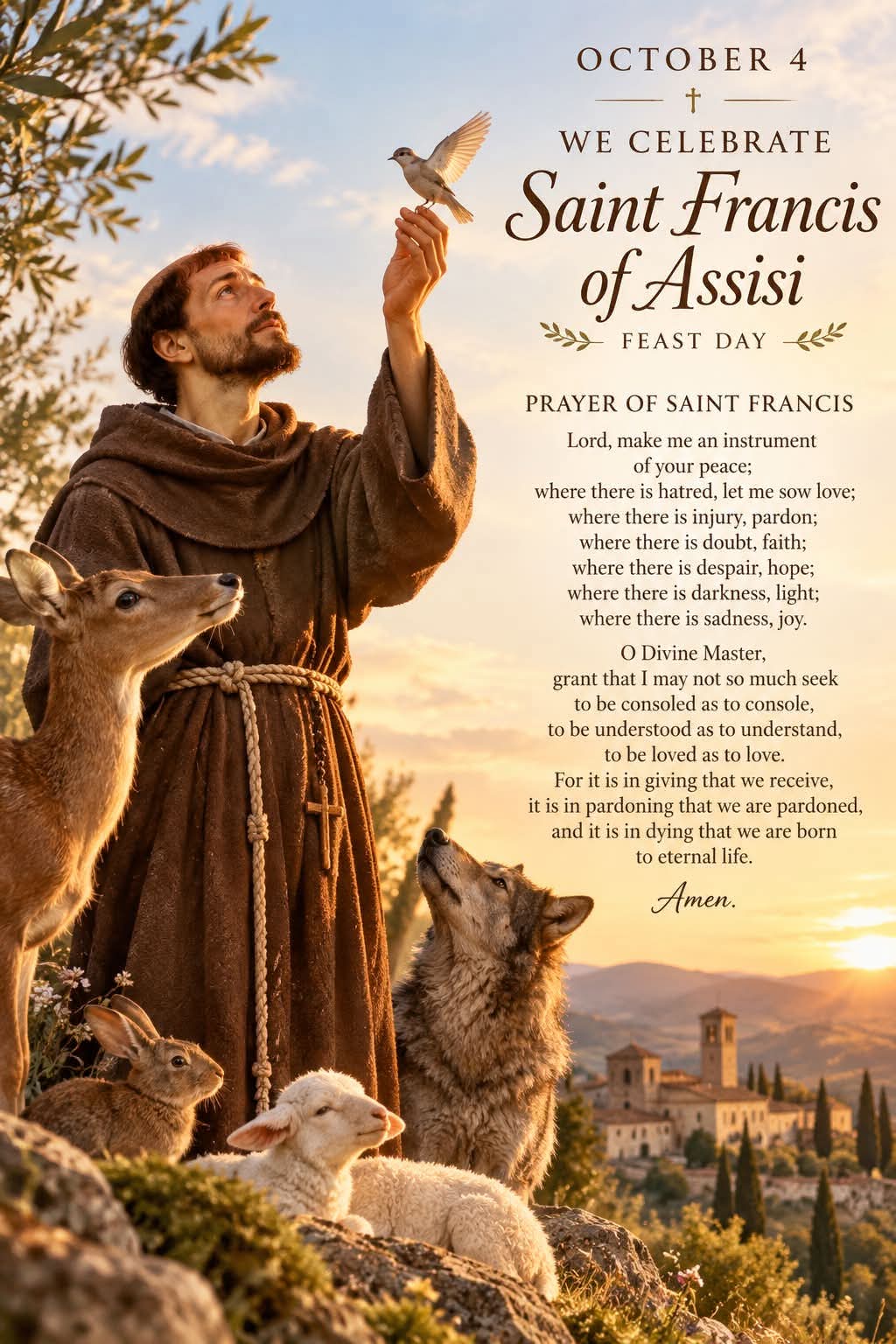
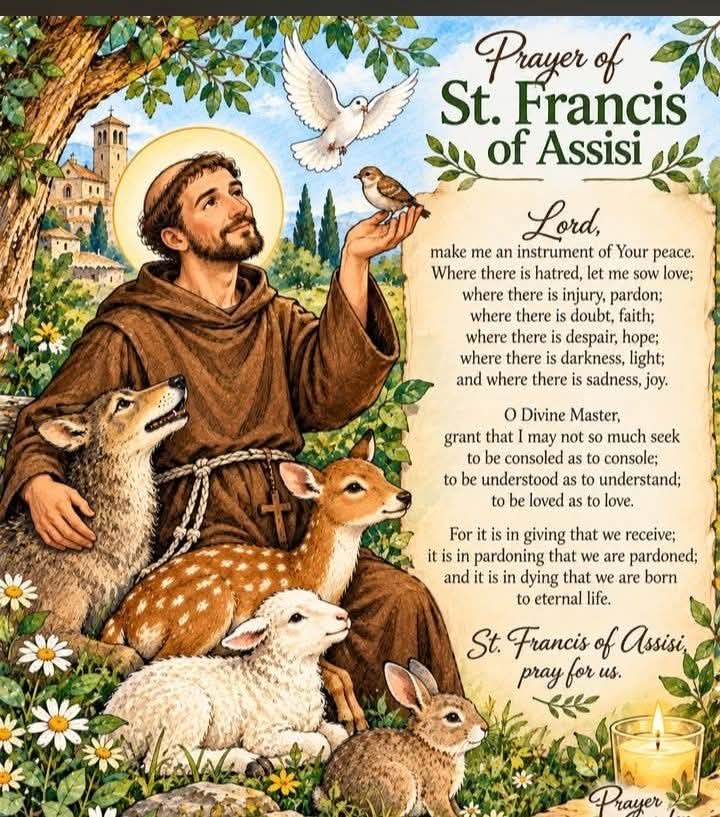
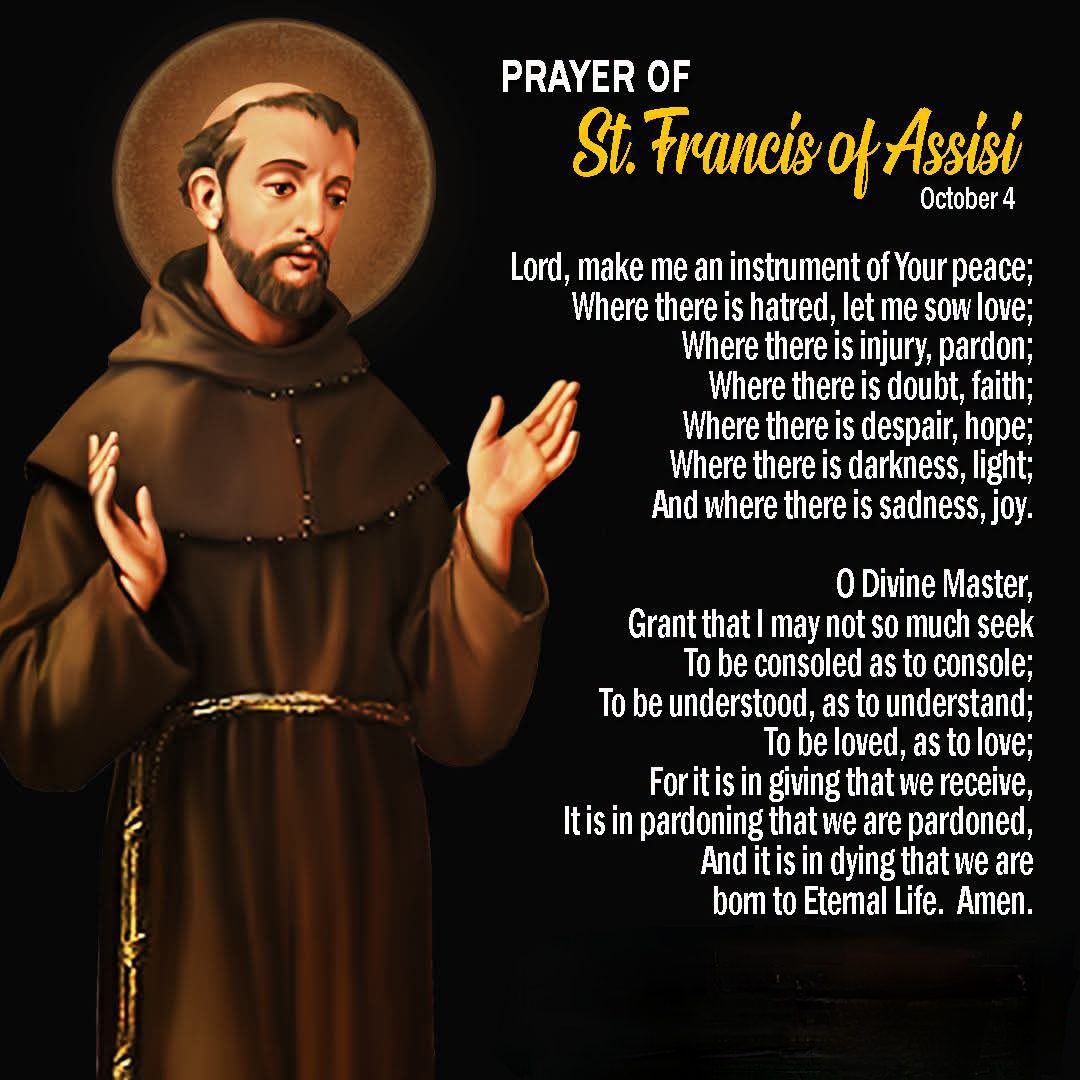
Prayer of St. Francis of Assisi (Prayer for Peace)
Lord, make me an instrument of your peace:
where there is hatred, let me sow love;
where there is injury, pardon;
where there is doubt, faith;
where there is despair, hope;
where there is darkness, light;
where there is sadness, joy.
O divine Master, grant that I may not so much seek
to be consoled as to console,
to be understood as to understand,
to be loved as to love.
For it is in giving that we receive,
it is in pardoning that we are pardoned,
and it is in dying that we are born to eternal life.

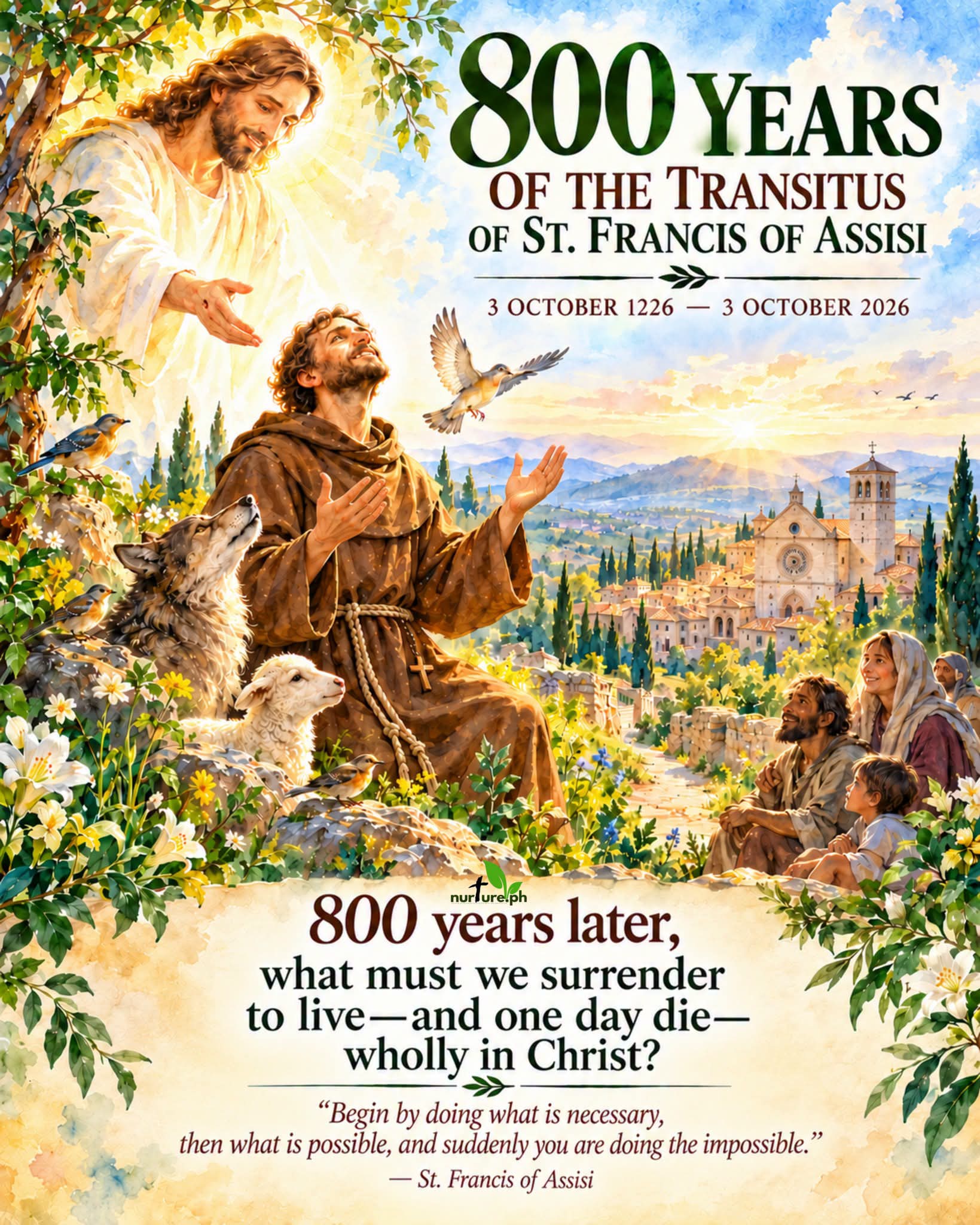
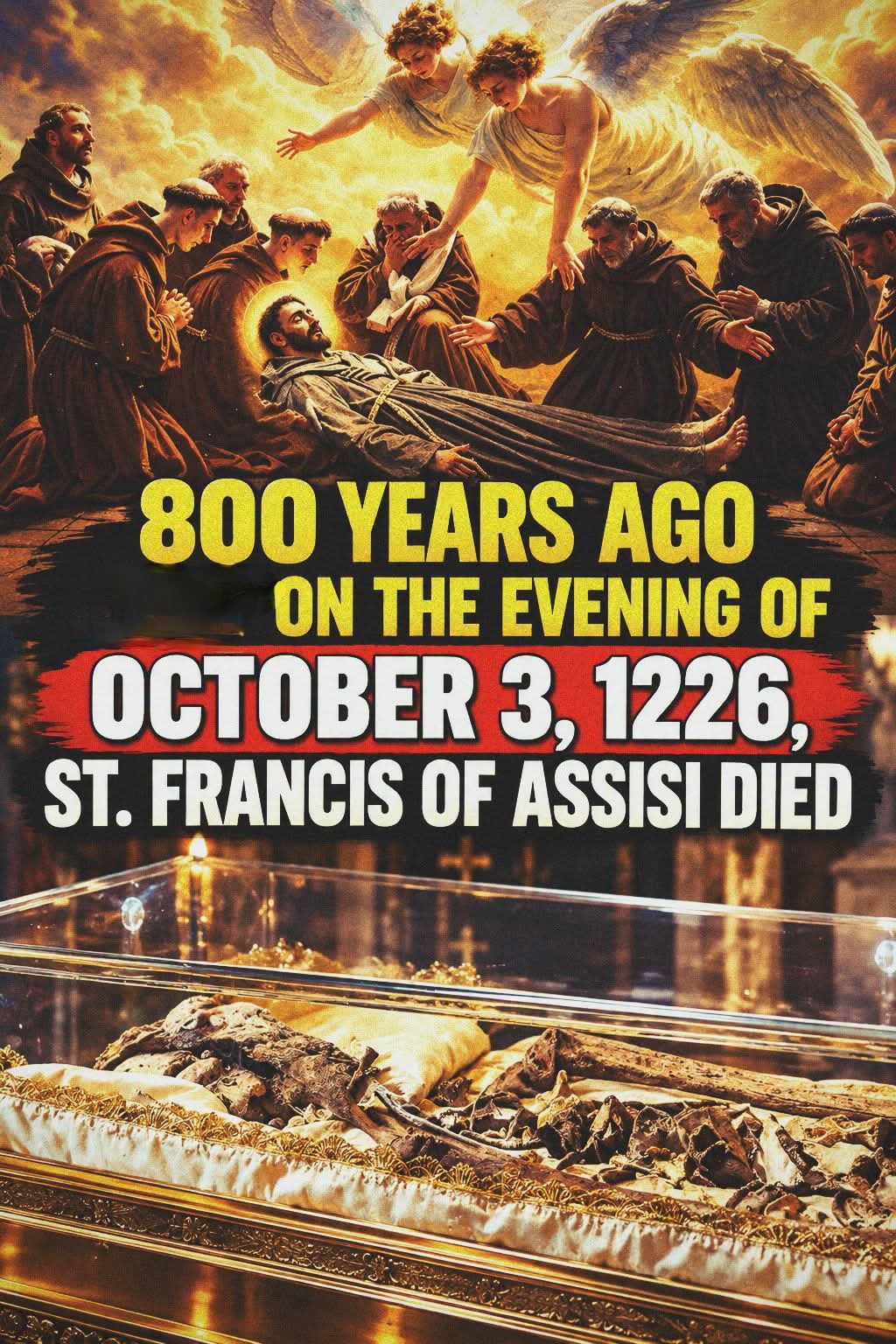
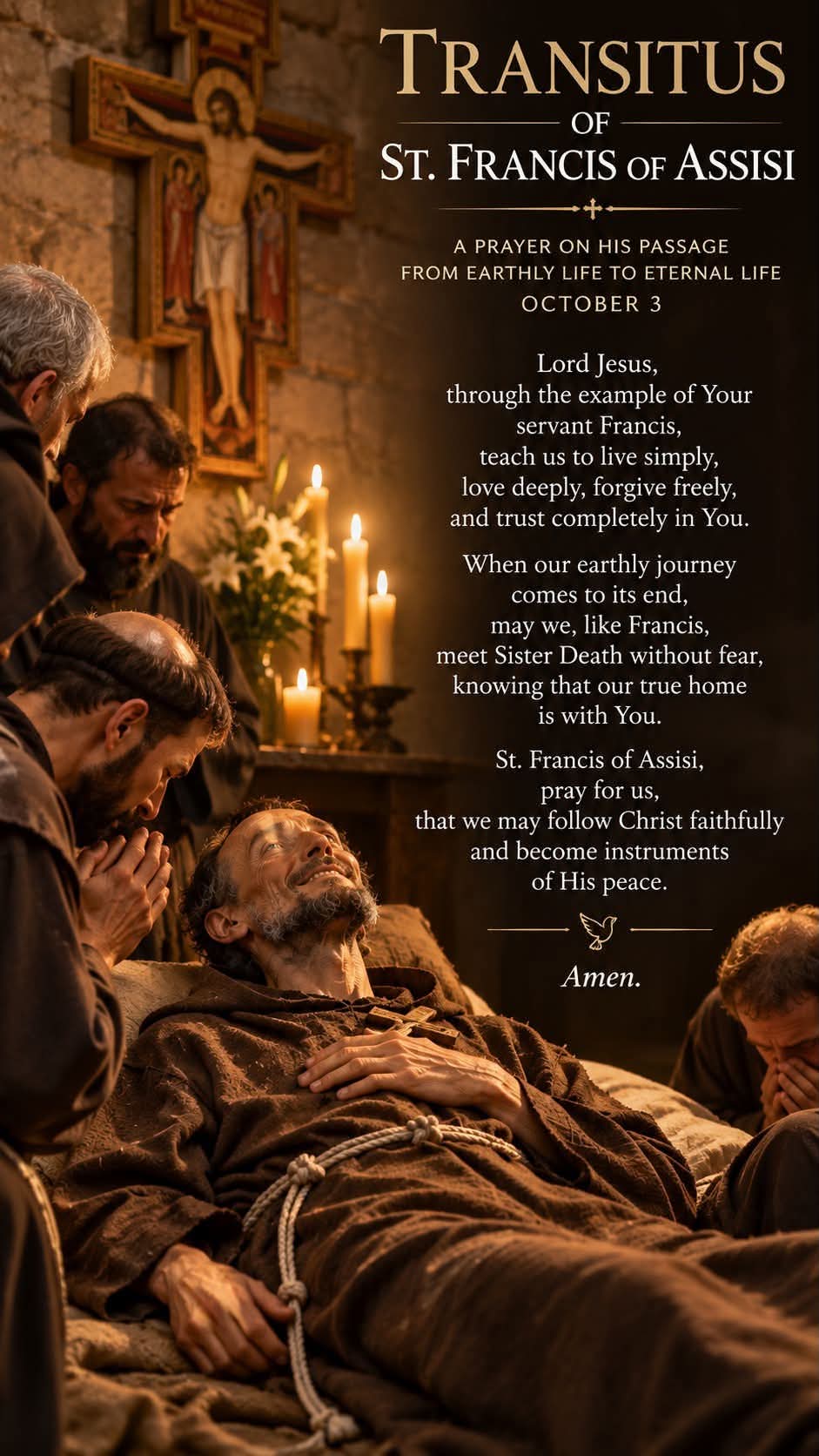
800 YEARS AGO on 3 OCTOBER, ST. FRANCIS OF ASSISI DIED — BUT HIS LAST MOMENTS STILL SPEAK TO THE WORLD.
On the evening of October 3, 1226, something extraordinary happened at the little chapel of the Porziuncola near Assisi, Italy.
A man who had once dreamed of wealth, fame and becoming a knight was lying on the bare ground, surrounded by his brother friars. His name was Francis of Assisi.
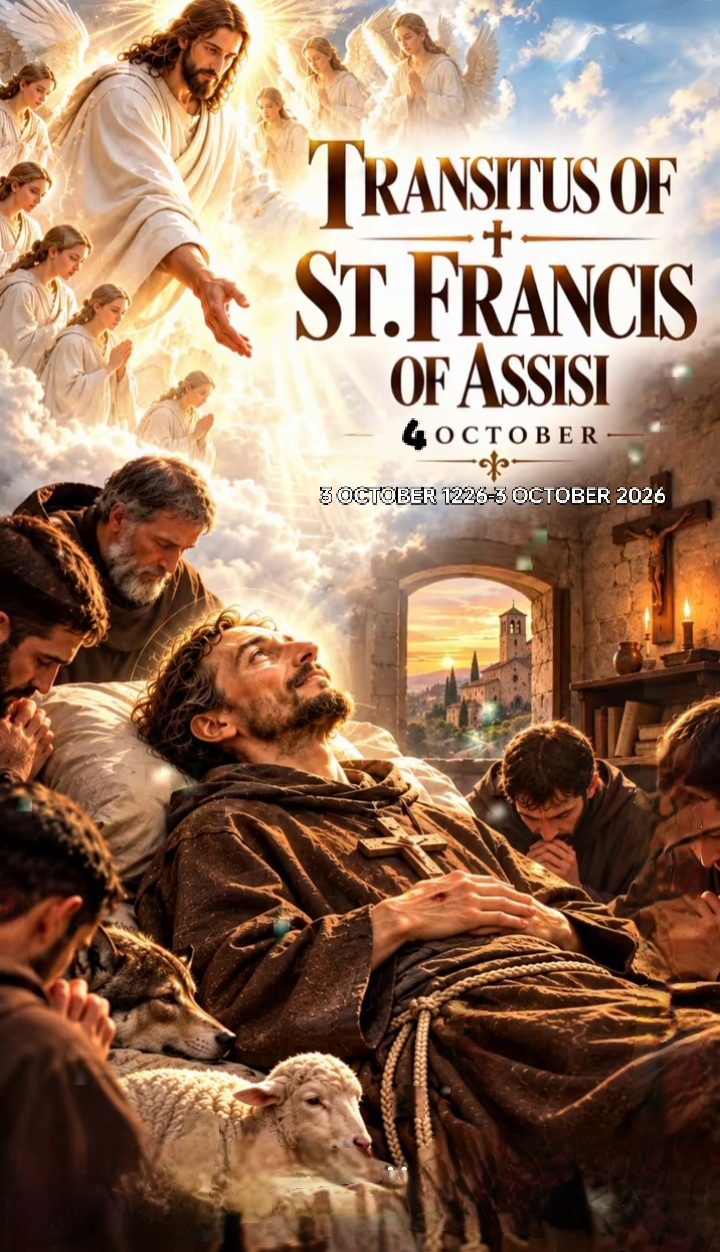
And as death approached, he did not cling to the riches of the world. He embraced what he had spent his entire life learning: to belong completely to Christ.
Francis had been born around 1181/1182 into a prosperous merchant family. As a young man, he enjoyed a comfortable life and dreamed of becoming a knight. But illness, captivity during war, prayer and encounters with suffering people gradually changed the direction of his life.
One of the most important moments came when Francis encountered a leper.
The man he had once found frightening and repulsive became, in Francis’s eyes, someone to be embraced with Christian love. His conversion was not simply about giving away possessions—it was about learning to see Christ in people whom society often ignored.
Soon others joined him.
Francis and his companions eventually traveled to Rome, where Pope Innocent III approved their way of life in 1209. What began with a small group of poor brothers eventually became the worldwide Franciscan movement.
But Francis’s life contained another remarkable chapter.
In 1224, while praying at La Verna, Francis experienced the vision of Christ crucified in the form of a seraph. According to the Catholic tradition surrounding his life, he received the stigmata—the marks associated with Christ’s Passion. Pope Benedict XVI later described this as an expression of Francis’s profound identification with the crucified Christ.
Then came another beautiful gift.
In 1225, while suffering from serious illness, Francis composed the famous Canticle of the Creatures, praising God through the sun, moon, earth, water, fire and all creation. His spirituality eventually contributed to his recognition as a patron of ecology.
And then came his final evening.
Francis knew that his earthly life was coming to an end.
He asked to be placed on the bare earth, listened to passages from the Passion of Christ, blessed his brothers and entrusted himself completely to God.
He died after sunset on October 3, 1226, at the Porziuncola, at about 44 years of age.
Only two years later, Pope Gregory IX canonized him on July 16, 1228. His body was eventually transferred to the Basilica of Saint Francis in Assisi, where his tomb remains a major pilgrimage site.
AND HERE IS THE BEAUTIFUL PART…
Francis spent his life trying to become more like Jesus.
He became poor—not because he believed poverty itself was the goal, but because he wanted nothing to come between his heart and Christ.
He served the forgotten.
He embraced lepers.
He preached peace.
He crossed boundaries to meet people of other faiths, including his famous meeting with Sultan al-Malik al-Kamil in Egypt during 1219–1220.
And when death finally came, Francis did not treat it as the end of God’s story.
He called it “Sister Death.”
That is why October 3 is traditionally remembered among Franciscans as the Transitus of St. Francis—his passing from earthly life toward eternal life with God.
Today, 800 years later, the question Francis leaves us is not “How much did I possess?”
It is:
“How completely did I give my heart to Christ?”
In 2026, the Catholic Church and the worldwide Franciscan family marked the 800th anniversary of Francis’s death, making this anniversary especially significant.
CONTEMPLATING THE LIFE OF SAINT FRANCIS OF ASSISI
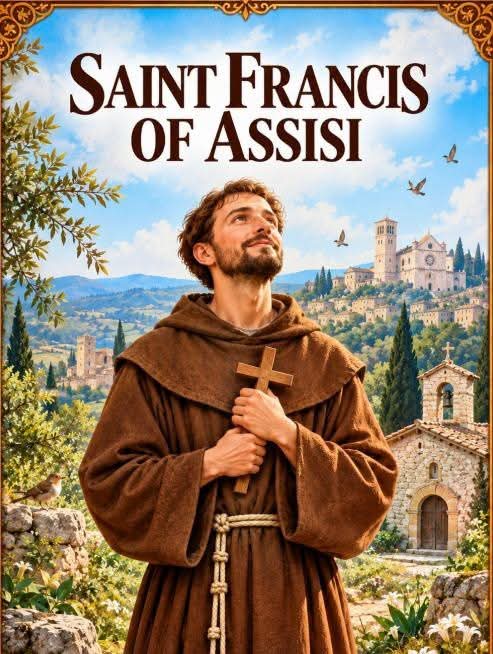
THE YOUNG MAN OF ASSISI
Saint Francis of Assisi was born in Assisi, Italy, around 1181 or 1182, into a prosperous merchant family. As a young man, he enjoyed comfort, friendships and the pleasures of worldly life. Yet beneath this outward happiness, God was preparing his heart for a deeper calling.
THE CALL TO A NEW LIFE
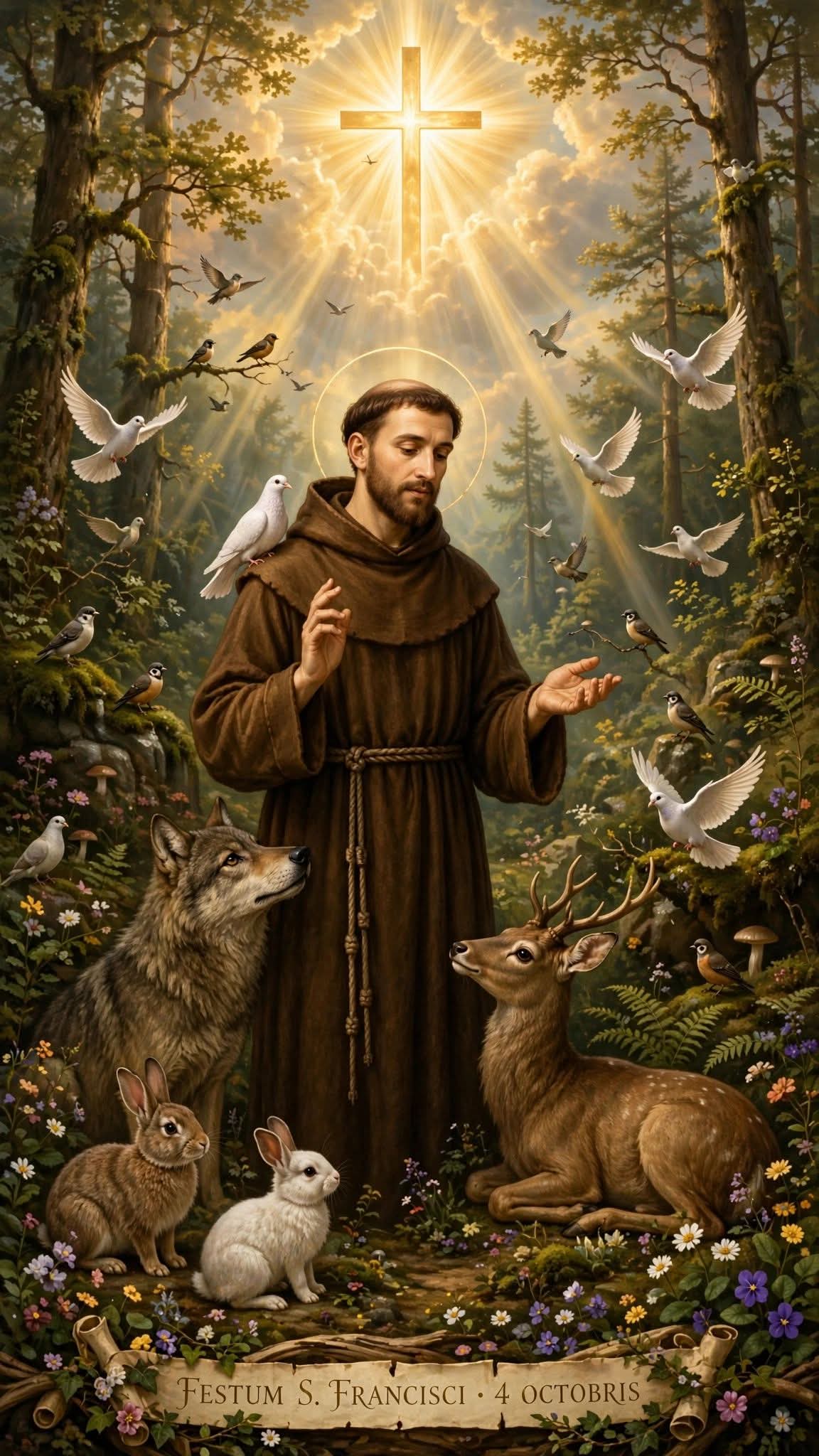
Francis gradually discovered that earthly wealth and glory could not satisfy his deepest longing. Through prayer, encounters with the poor and the suffering, and profound experiences of God, his heart began to change. He heard Christ calling him to leave behind his former way of life and follow Him with complete trust.
THE ENCOUNTER WITH THE LEPER
One of the decisive moments in Francis’s conversion came when he encountered a leper. Previously, the sight of lepers had filled him with disgust, but moved by divine grace, he approached one and embraced him. In that act of mercy, Francis discovered that Christ could be encountered in those whom the world rejected.
THE CROSS OF SAN DAMIANO
While praying before the crucifix in the ruined church of San Damiano, Francis heard Christ calling him to repair His Church. He initially understood this literally and began restoring the neglected church with his own hands. Gradually, he understood that God was calling him to something much greater: to become an instrument of spiritual renewal.
THE LADY POVERTY
Francis renounced his inheritance and embraced a life of radical poverty. He chose Christ above possessions, status and security. Poverty for Francis was not merely deprivation; it was freedom to depend completely upon God and to possess nothing that could come between his heart and the Gospel.
THE BROTHER OF ALL
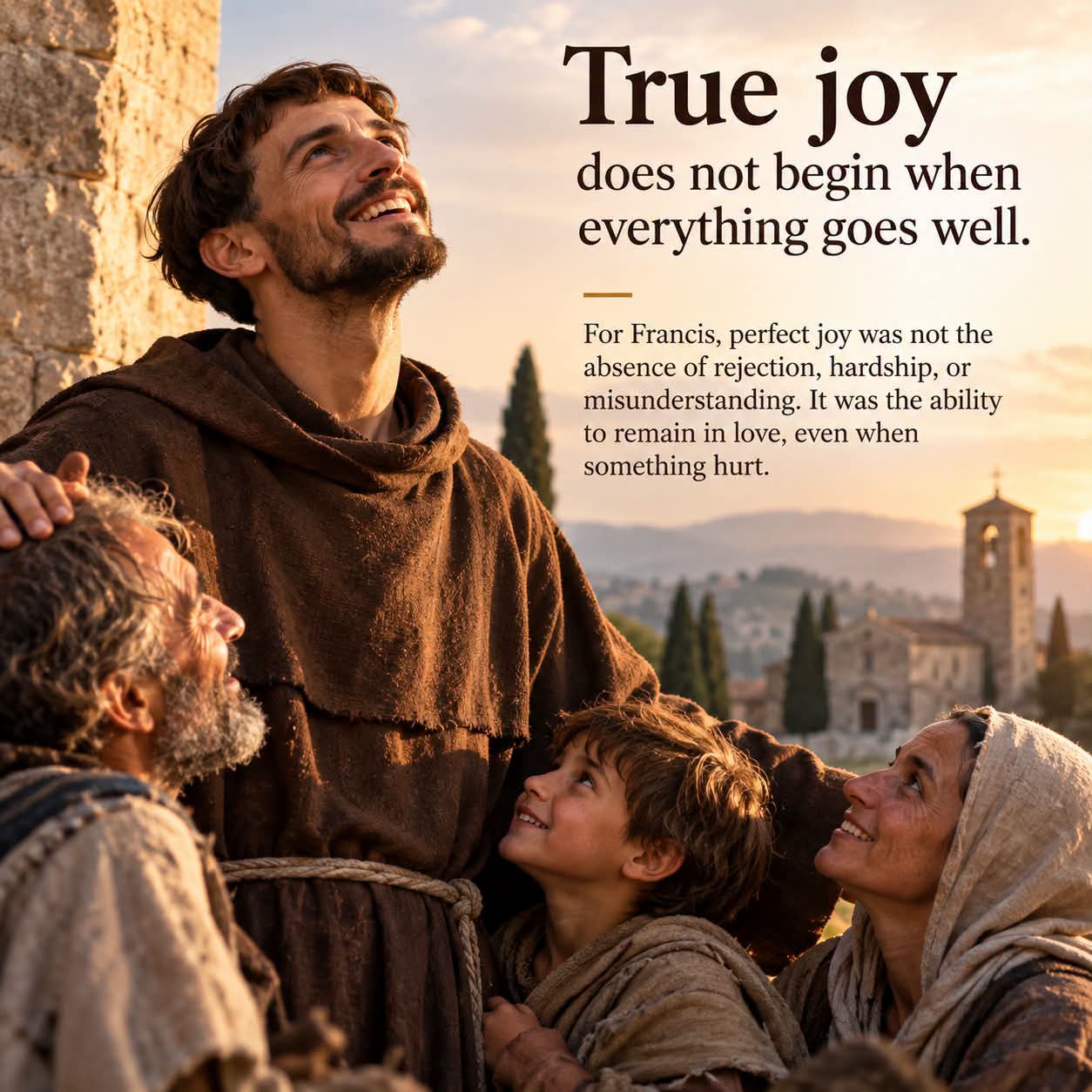
Francis gathered companions who wished to live according to the Gospel. This small brotherhood eventually became the Order of Friars Minor. He taught his brothers to live simply, serve the poor, preach repentance and peace, and show love to every person without distinction.
THE LOVE OF CREATION
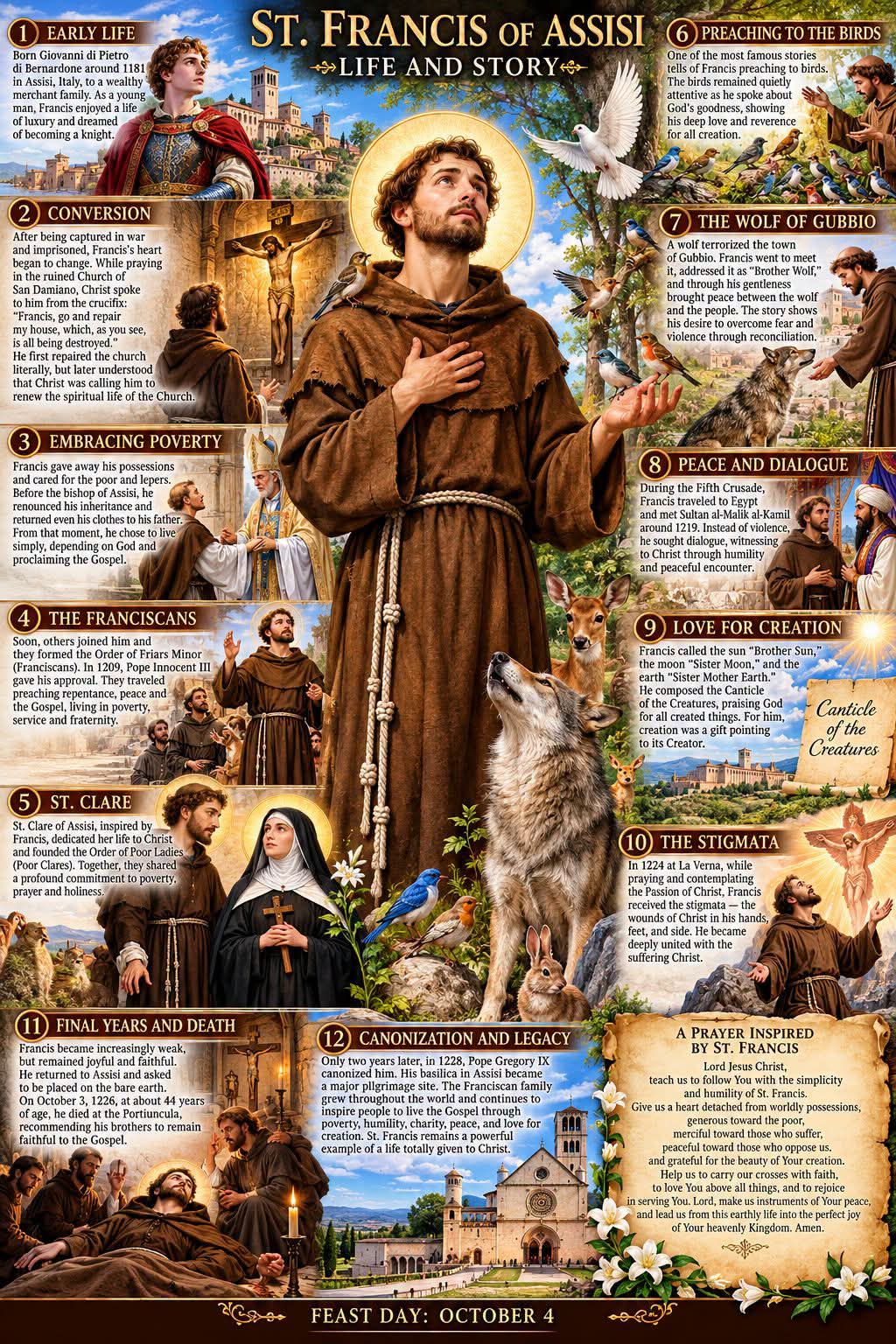
Francis saw creation as a gift from the Creator. The sun, moon, stars, water, earth, animals and every living creature reminded him of God’s goodness. His Canticle of the Creatures expresses his joyful recognition of creation as a family of brothers and sisters praising God.
THE PEACEMAKER
Francis was deeply committed to peace. During the Crusades, he courageously travelled to meet Sultan Malik al-Kamil, seeking dialogue rather than hostility. His encounter demonstrated that Christian witness can be expressed through humility, respect, courage and a sincere desire for peace.
THE FRIEND OF THE CRUCIFIED CHRIST
Francis desired to imitate Christ so completely that the suffering and love of the Crucified Lord became the centre of his life. In 1224, while praying on Mount La Verna, he received the stigmata, the wounds corresponding to those of Christ. He carried these signs with humility and continued to serve God despite his suffering.
THE JOY OF SIMPLICITY
Francis discovered profound joy in living simply. He did not seek happiness in possessions, power or recognition. His joy came from belonging entirely to God, serving others and accepting both blessings and difficulties with gratitude.
THE HUMBLE SERVANT
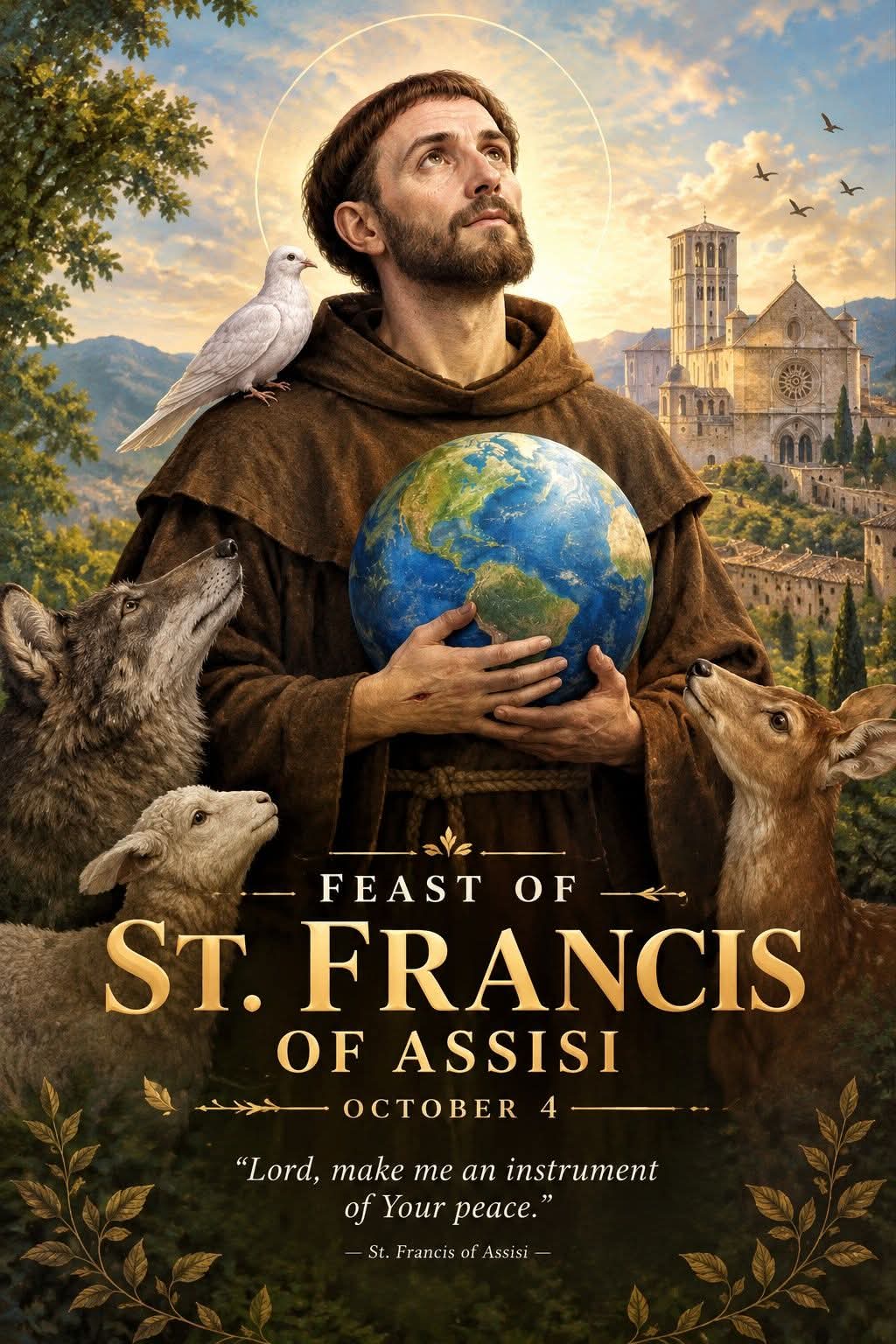
Although Francis became widely respected, he remained deeply humble. He considered himself a servant rather than a master. He reminded his followers that greatness in God’s Kingdom is found in humility, obedience, mercy and love.
THE FINAL JOURNEY
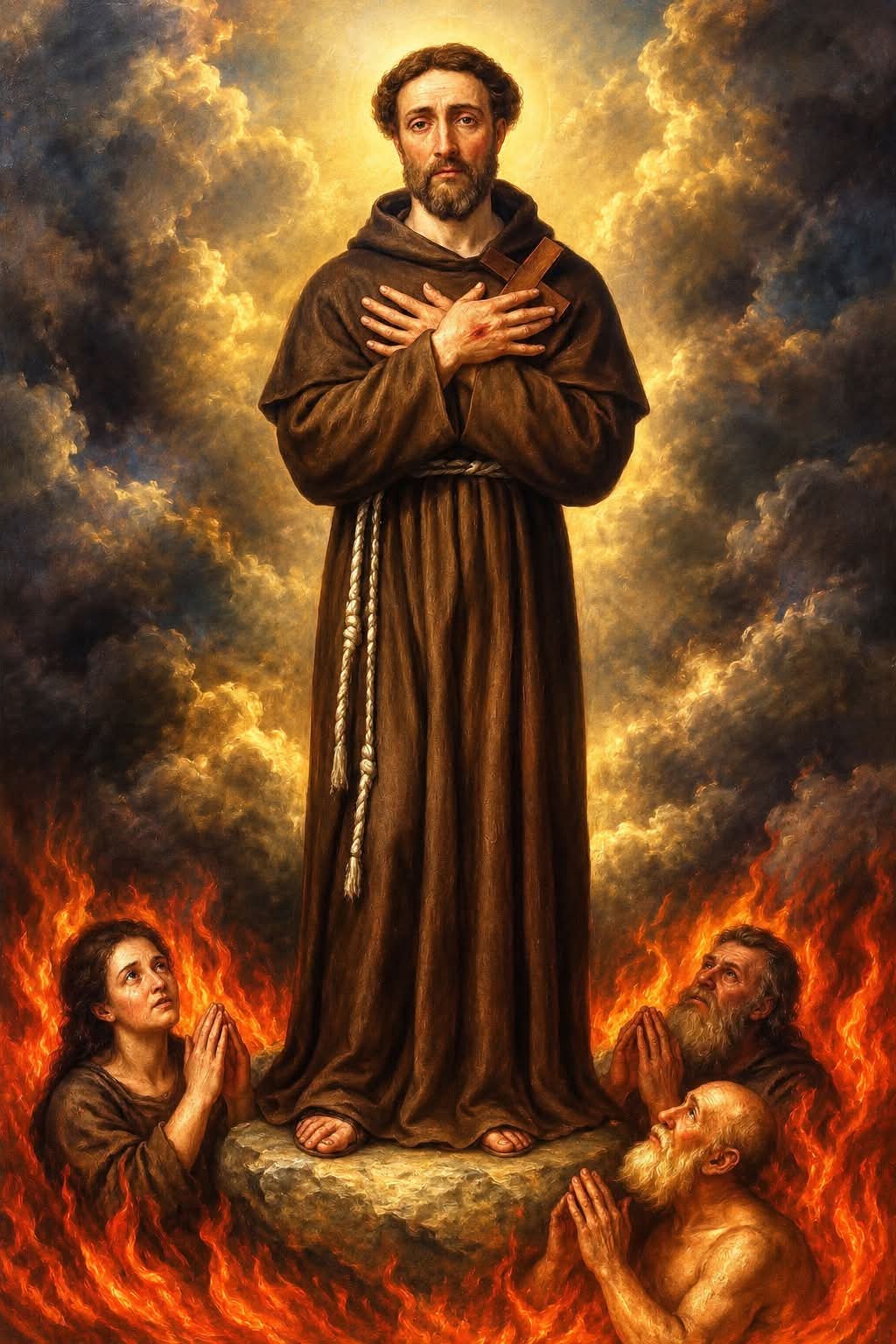
Francis died on 3 October 1226, at the age of about forty-four. He died surrounded by his brothers, embracing the poverty and simplicity he had chosen throughout his life. His final years were marked by suffering, but also by deep union with Christ.
Saint Francis left the world no treasure of wealth, yet he left a spiritual legacy that continues to inspire millions. His life calls us to return to the simplicity of the Gospel, to care for the poor, to forgive, to seek peace, to respect creation and to place Christ above everything else.
THE HEART OF SAINT FRANCIS
The deepest lesson of Francis’s life is that holiness begins when the heart becomes completely available to God. He teaches us that we do not need greatness in the eyes of the world to become great in God’s eyes. A humble heart, surrendered to Christ and filled with love, can become a powerful instrument of God’s peace.
PRAYER
Almighty Father, with your aid, Saint Francis spent wondrous moments in communion with you, reflecting the image of Christ through a life of poverty and humility.
May we follow too in the footsteps of Francis of Assisi, thus following in the footsteps of our Lord Jesus Christ, by imitating his joyful love.
Grant this through our Lord Jesus Christ, your Son, who lives and reigns with you and the Holy Spirit, God, for ever and ever. Amen
Saint Francis of Assisi, you held the Holy Eucharist in such holy reverence you dared not be ordained a priest. Your love of the Word of God complimented your love of His creation. Help all Christians to have your same balance of love for God, the Sacraments, and all God’s creation. Amen
(Excerpts from mycatholiclife)

HAPPY FEAST OF SAINT FRANCIS OF ASSISI!!!