
SPIRITUAL INSIGHTS INTO THE LIFE OF BLESSED PETER GONZALEZ
April 14, 2026
FEAST OF SAINT PATERNUS OF WALES – 15th APRIL
April 15, 2026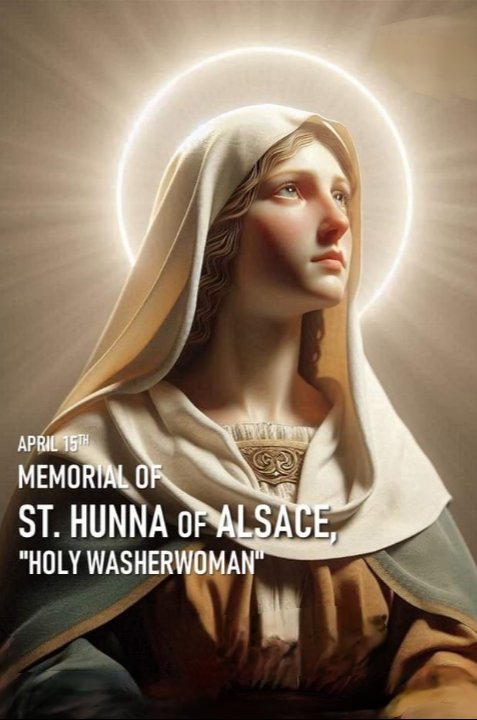
FEAST OF SAINT HUNNA OF ALSACE
FEAST DAY – 15 APRIL
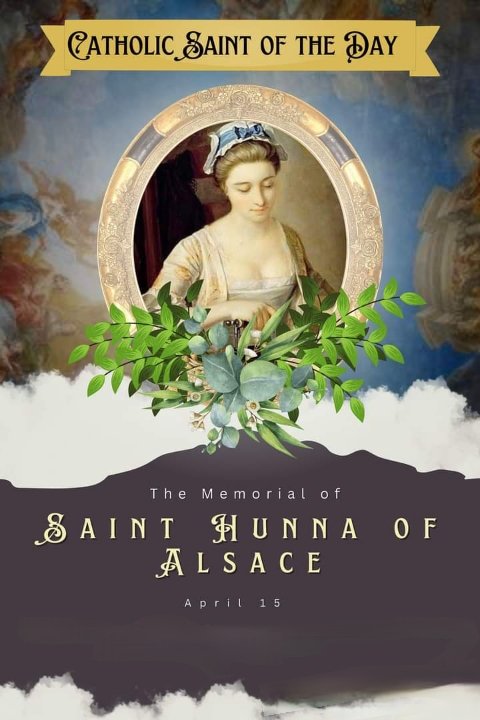
Saint Hunna who is also known as the Holy Washerwoman, St Hunna of Strasbourg/Alsace, was born in the 7th century in the Alsace region (part of modern France) and died in 679 in Hunawir, Alsace (in modern France) of natural causes, where her remains were buried. Her relics re-located on 15 April 1520 but they were destroyed during the Reformation. She was Canonised in 1520 by Pope Leo X. She is the Patroness of laundresses, laundry workers and washerwomen.
Saint Hunna was born into a privileged life, the daughter of a duke in Alsace. She matured and married Huno of Hunnaweyer, a nobleman and together they settled in the diocese of Strasbourg (now France). They had one son, Saint Deodatus, who eventually became a monk (and then a saint!).
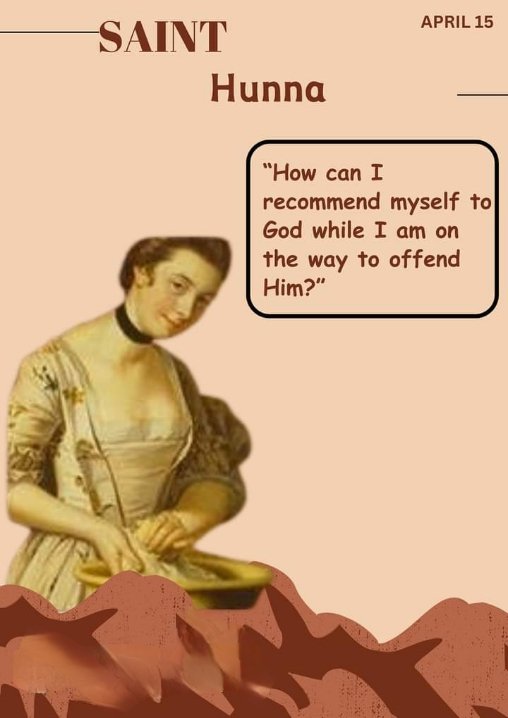
Saint Hunna was devoted to the Lord, raising her son with constant teaching and living the virtues of the faith. She spent her days caring for her home and estate and in prayer, while her husband travelled on diplomatic and political missions. Her family was influenced by the former bishop and hermit Saint Deodatus of Nevers, who inspired her to serve her poor neighbors.
In her prayer, she felt called to do more, to serve others. By the Lord, her eyes were opened to the poverty and general squalor that the peasants and servants lived in… and she felt moved to assist. Hunna began making daily trips from the estate into the local villages and fields, visiting her poor neighbours, offering them religious instruction and working for them.
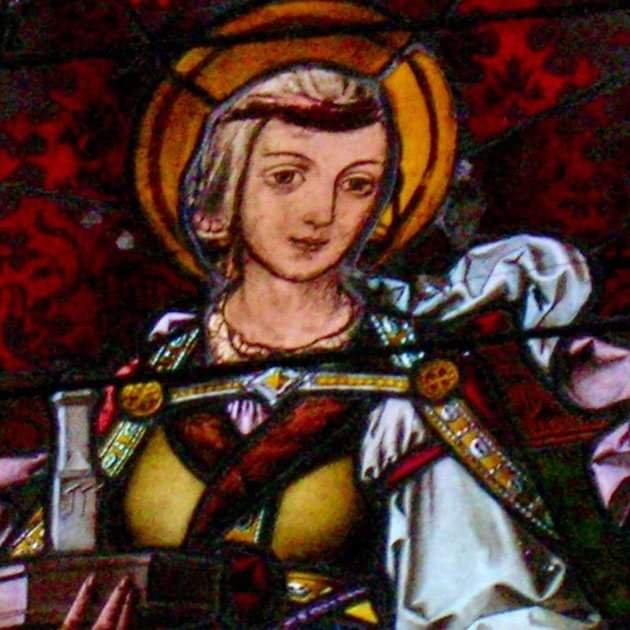
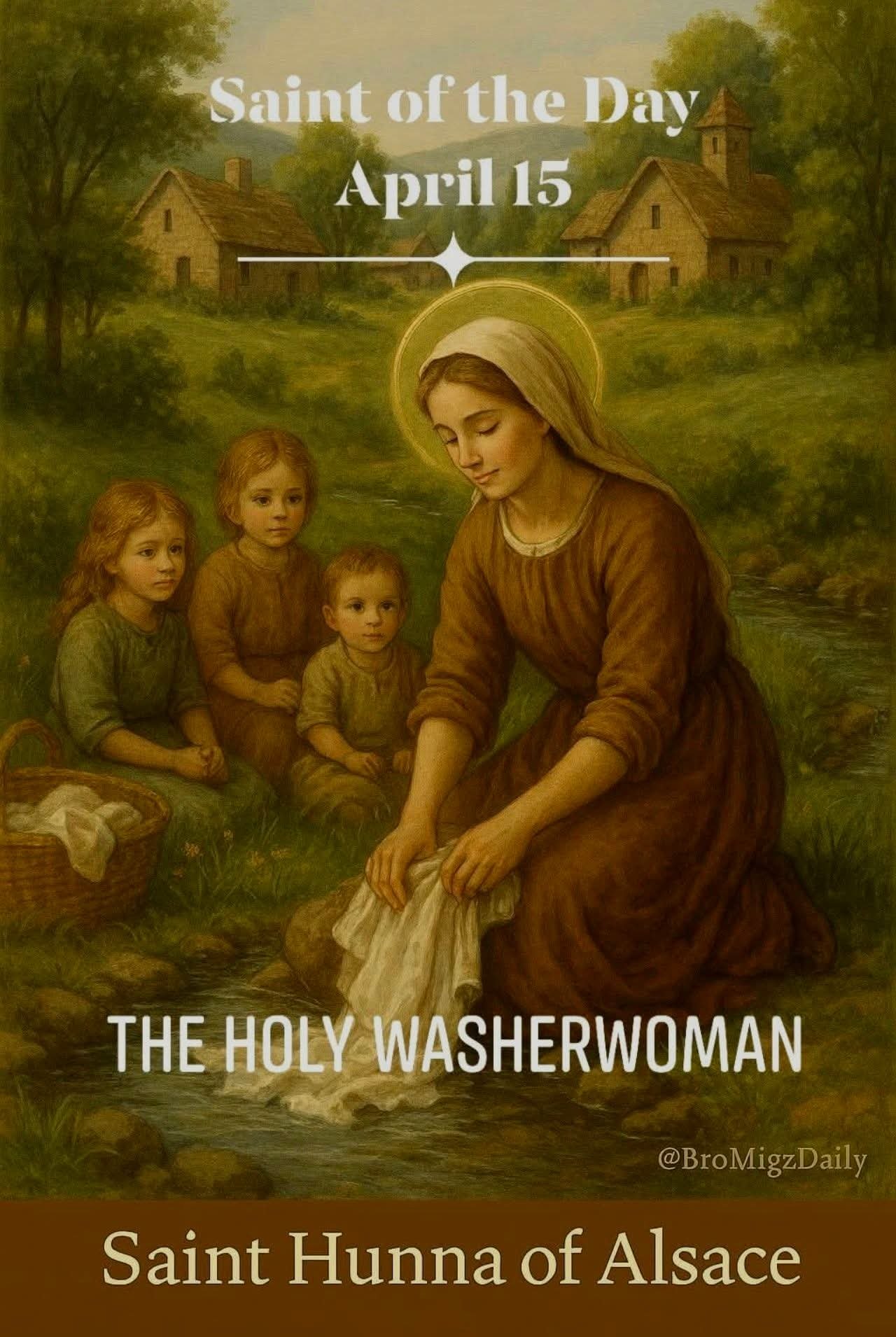
At first, she simply offered to do their laundry, earning her the title, “holy washerwoman.” Hunna would travel from home to home, collecting soiled clothing and then spend the better part of each day washing and scrubbing the clothing clean. When the clothing was too dirty, or too threadbare to mend, she would replace it with a new article.
As time went on, her washing service expanded to any task that her neighbours needed help with; cooking, cleaning, childcare, even more demanding physical labour. She also instructed in ways of cleanliness, assisting with hygiene. Saint Hunna regularly performed the greatest act of service, bathing those who were unable to bathe themselves.
Saint Hunna demonstrates to us great selflessness, born out of love for the Lord. She willingly left her life of privilege on a daily basis, eventually being shunned by those of her class and station, to intercede in the lives of those who had no one to care for them. She treated the poor, the sick, the forgotten as equals to herself, offering them basic human respect, love and charity.

Saint Hunna welcomed all into her life as the family of God. The life of Saint Hunna provides a gentle reminder of our own hesitancy to venture beyond our comfortable lives, to actively engage in community service to those in need. We are mindful of the fact that we are called to service and social justice and that embarking on that mission may be difficult or even painful. We look to Saint Hunna as inspiration; inspiration to embody the love of Christ and to share that love with others in service.
CONTEMPLATING THE LIFE OF SAINT HUNNA OF ALSACE
EARLY LIFE AND HUMBLE BEGINNINGS
Saint Hunna of Alsace was born into nobility in the region of Alsace, in present-day France. Despite her privileged upbringing, she chose a life marked not by comfort, but by service. Married to a nobleman, she lived in the world but not of it, quietly dedicating her life to the needs of others, especially the poor and forgotten.
A LIFE OF SERVICE AND CHARITY
Hunna became widely known for her extraordinary compassion toward the poor, particularly in washing and caring for their clothes. At a time when such work was considered lowly, she embraced it with joy and humility. Because of this, she was affectionately called “the Holy Washerwoman.” Her acts were not merely practical but deeply spiritual—she saw Christ in those she served.
“Whatever you did for one of the least of these brothers and sisters of mine, you did for me.” – Matthew 25:40
HUMILITY IN DAILY DUTIES
Rather than seeking recognition, Hunna sanctified the ordinary. She transformed simple, repetitive work into acts of love and devotion. Her life reminds us that holiness is not reserved for grand gestures but is often found in quiet, faithful service. Each garment she washed became an offering, each act a prayer.
A HEART ROOTED IN COMPASSION
Hunna’s compassion extended beyond physical care—she uplifted the dignity of the poor. In a society that often overlooked them, she treated them with tenderness and respect. Her charity was not selective or conditional; it was generous, constant, and rooted in a deep love for God.
BALANCING FAMILY AND FAITH
As a wife and mother, Hunna did not abandon her responsibilities. Instead, she integrated her faith into family life. Her home became a place of generosity and kindness, showing that holiness can flourish within the duties of everyday living. She lived out her vocation with grace, proving that sanctity is possible in every state of life.
A WITNESS OF QUIET HOLINESS
Unlike many saints known for dramatic martyrdoms or miracles, Hunna’s life was a gentle witness. Her sanctity lay in consistency, humility, and love. She reminds us that God often works through the hidden and unnoticed acts of goodness that shape the world silently.
LESSONS FROM HER LIFE
Saint Hunna teaches that no act of service is too small when done with love. She challenges us to look beyond status or recognition and to serve where we are, with what we have. Her life calls us to embrace humility, to honor the dignity of others, and to find God in the simplicity of daily duties.
CONTEMPLATION
As we reflect on Saint Hunna’s life, we are invited to examine our own hearts. Do we serve others with joy or reluctance? Do we recognize Christ in the poor and needy? Hunna’s example gently urges us to transform our ordinary routines into extraordinary acts of love, making our lives a quiet offering to God.
PRAYER
O God, who raised Saint Hunna from nobility to sanctity through her love for the suffering, grant us the grace to imitate her selflessness. May her intercession strengthen us to care for our neighbors, fostering peace and unity in our communities.
Lord God, grant through the intercession of Saint Hunna that where there are divisions between neighbors, show me how to be a peacemaker. When neighbors do me wrong, show me how to do good to them in a way that will soften their hearts. Amen
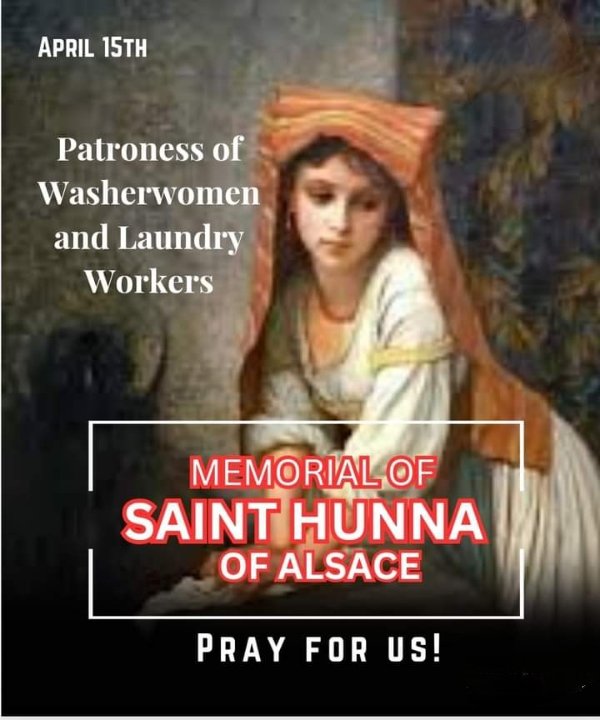 Saint Hunna, pray for us.